The Evolution of the Geely Emgrand: From Compact Sedans to Global Presence
The Geely Emgrand has been one of the cornerstone models of Geely Auto, China’s leading automotive manufacturer. First introduced in 2009, the Emgrand sedan has undergone significant changes over the years, evolving from a modest compact vehicle to a more stylish, feature-packed offering aimed at both the domestic and international markets. Over its lifecycle, the Emgrand has expanded its model lineup, improved in quality, and established itself as a symbol of Geely’s rising profile in the automotive world. This article explores the history, evolution, and future outlook of the Geely Emgrand, including its key models, trim levels, and innovations.
Introduction to the Geely Emgrand: The Birth of a New Era (2009–2013)
The Geely Emgrand was launched in 2009 as a premium subcompact sedan, intended to move the brand away from its previous reputation for producing low-cost, entry-level vehicles. It marked a significant shift in Geely’s ambitions, with the company looking to cater to a more upscale segment of the Chinese market. The Emgrand was designed to compete with other compact sedans like the Toyota Corolla, Honda Civic, and the Volkswagen Jetta, but with a focus on offering more value for money, both in terms of features and pricing.
Key Models and Trim Levels (2009–2013)
The first-generation Geely Emgrand (also known as the EC7 in some markets) was offered in multiple variants, providing different configurations based on engine size and feature availability.
- Base Model: The base version of the EC7 was powered by a 1.5-liter four-cylinder engine, producing around 109 horsepower. It was designed as a budget-friendly sedan for first-time buyers, offering a reasonable mix of comfort and reliability at a competitive price.
- Mid-range Model: The mid-range EC7 was equipped with a slightly more powerful 1.8-liter engine, providing around 130 horsepower. This trim catered to those who wanted more power and a more comfortable driving experience.
- High-end Model: The higher-end Emgrand EC7 featured upgraded interior materials, more advanced technology, and better exterior styling. It came with additional features such as a larger touchscreen, more premium upholstery, and a more refined suspension for improved comfort.
The first-generation Emgrand was well-received for its value proposition, providing an affordable sedan with competitive features such as air conditioning, a CD player, and power windows, which made it a strong competitor in the highly competitive Chinese sedan market.
.

.
Second Generation (2013–2018): Refinement and International Expansion
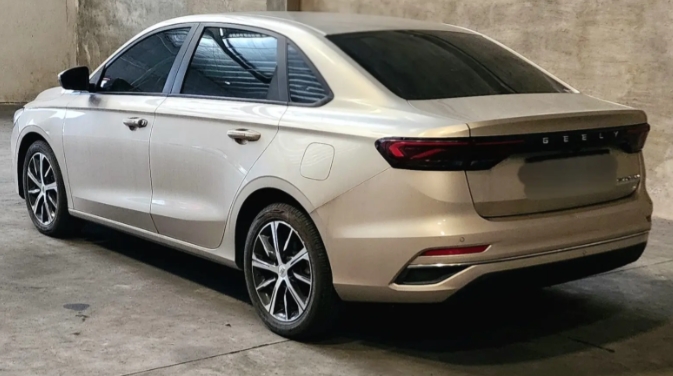
The second generation of the Geely Emgrand, launched in 2013, was a significant upgrade over the first. The new model embraced a more modern design, incorporating elements from Geely’s global vision. It featured sharper lines, more refined aerodynamics, and an updated interior. As part of Geely’s push for international expansion, the second-generation Emgrand was also designed with export markets in mind, particularly in the Middle East, Southeast Asia, and parts of Europe.
Key Models and Trim Levels (2013–2018)
The second-generation Emgrand saw the addition of more technology and an updated lineup of engines. The vehicle’s overall design was more appealing, with better attention to interior ergonomics and quality, which helped to elevate the Emgrand’s status in the competitive compact sedan market.
- Base Model (1.5L): The entry-level trim of the Emgrand retained the 1.5-liter engine, which now made about 115 horsepower. This model continued to be a cost-effective solution for those seeking basic transportation but with more modern styling and better build quality.
- Mid-range Model (1.8L): The mid-tier model was powered by a 1.8-liter engine producing around 132 horsepower, paired with a 5-speed manual or an automatic transmission. This version offered better performance and came with additional features like Bluetooth connectivity, alloy wheels, and a larger touchscreen infotainment system.
- Premium Model (1.8L or 2.0L): The higher trims of the second-generation Emgrand offered a 2.0-liter engine, generating around 140 horsepower. These trims included more luxurious features like leather upholstery, a premium sound system, navigation, and advanced safety features such as rear parking sensors and airbags.
One of the standout features of the second-generation Emgrand was its interior design, which featured improved materials, such as soft-touch plastics and updated infotainment systems. The vehicle’s exterior also received a more premium treatment with sharper, more modern styling that appealed to both younger buyers and those looking for a more sophisticated compact sedan.
Geely’s ambition to improve its image internationally was evident in this generation, with the Emgrand becoming one of the first Geely models to be sold in markets outside China, including Russia, South America, and some parts of Europe.
Third Generation (2018–Present): The Emgrand GSe and the Move Toward Electric
By 2018, Geely had established itself as a key player in China’s automotive industry, and its ambitions to become a global leader in EVs and sustainable mobility were becoming more apparent. The third generation of the Emgrand represented a new direction for the model, especially with the introduction of the Geely Emgrand GSe, an electric version of the popular sedan. This move reflected Geely’s broader strategy of introducing green technologies across its product lineup.
The third generation also benefited from Geely’s acquisition of Volvo, as the company began integrating some of the Swedish automaker’s technology into its own models. This period marked the beginning of Geely’s focus on enhancing both performance and sustainability.
Key Models and Trim Levels (2018–Present)
The third-generation Emgrand, which was launched alongside the Emgrand GSe, came with a variety of powertrain options, including the traditional gasoline engine variants and the electric version. The trim levels were also differentiated by features and powertrain configurations.
- Base Model (1.5L): The entry-level gasoline-powered Emgrand continued to offer the 1.5-liter engine, now producing around 118 horsepower. This trim focused on affordability and offered essential features like air conditioning, a simple infotainment system, and modern safety features.
- Mid-range Model (1.5L Turbo): The 1.5L turbocharged model was introduced as an option for customers who wanted better performance without stepping up to a larger engine. This model offered approximately 150 horsepower and included upgraded features like a digital dashboard, a larger touchscreen, and improved safety features.
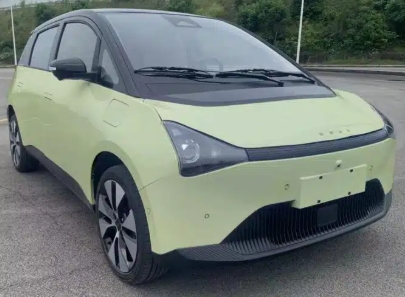
- Emgrand GSe (Electric): The Emgrand GSe was Geely’s first attempt at offering an electric vehicle in the Emgrand lineup. It was powered by a 53 kWh battery pack and an electric motor producing around 163 horsepower. The Emgrand GSe offered a range of about 400 km (248 miles) on a single charge and was equipped with modern tech features like a touchscreen interface, Apple CarPlay, and advanced driver-assist technologies.
- Premium Model (1.8L Turbo/2.0L): The higher trims included turbocharged or larger engine options, paired with more luxurious features like leather seats, advanced infotainment systems, and premium sound systems. These trims were geared toward buyers who wanted a higher level of performance and comfort.
The Emgrand GSe became an important part of Geely’s electric vehicle strategy, reflecting the company’s growing focus on electric mobility. The integration of Volvo-derived technologies helped to raise the overall quality of the Emgrand and made it a more competitive offering in the global market.
Future Outlook: Geely’s Vision for the Emgrand
The future of the Geely Emgrand is closely tied to Geely’s broader ambitions within the global automotive industry. As the company pushes toward becoming a leader in sustainable and electric mobility, the Emgrand is likely to evolve further with more electric vehicle options and improved technology.
Geely has already announced plans to expand its electric vehicle lineup, and as part of this effort, the Emgrand may see future versions that are entirely electric or hybrid-powered. The development of more efficient battery technologies and the global push for stricter emission standards will play a significant role in shaping the future of the Emgrand.
As part of Geely’s push to strengthen its presence in global markets, the Emgrand could become more widely available outside of China. The company has invested heavily in expanding its operations in Europe, Russia, and emerging markets like Southeast Asia and Latin America. As demand for affordable, eco-friendly vehicles continues to grow, the Emgrand could play a crucial role in meeting that demand.
From its debut in 2009 to its current status as a key part of Geely’s global strategy, the Emgrand has undergone significant evolution. What started as an affordable, compact sedan aimed at the Chinese market has transformed into a more refined, feature-rich offering, with a growing emphasis on electric powertrains and global reach. With its combination of affordability, advanced technology, and sustainable features, the Geely Emgrand is positioned to remain a competitive force in the automotive industry for years to come. The future of the Emgrand looks bright, as Geely continues to evolve and adapt to the changing demands of consumers worldwide.