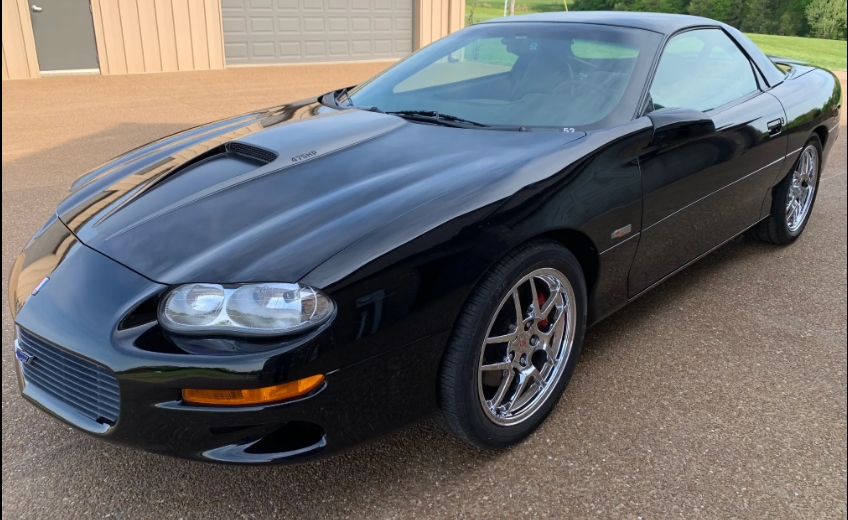
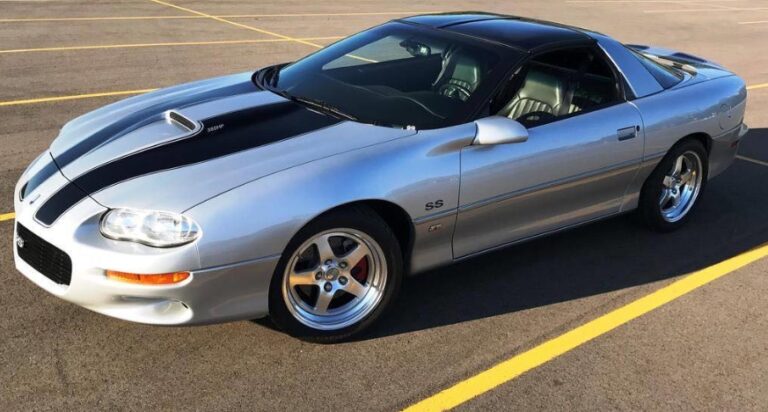
The 2002 GMMG ZL1 Camaro: A Modern Muscle Legend Reborn
In the pantheon of American muscle cars, few names carry as much mystique and reverence as the ZL1 badge. Originally an RPO (Regular Production Option) designation for the legendary 1969 Chevrolet COPO Camaro equipped with an all-aluminum 427 ci V8 and built in incredibly limited numbers, the ZL1 name became synonymous with rare, high-performance machinery. Decades later, in 2002, an independent performance specialist revived that spirit with a modern interpretation of the ZL1 Camaro—one that remains one of the most collectible and talked-about fourth-generation Camaros ever produced. This article explores the evolution, production, and enduring legacy of the 2002 GMMG ZL1 Camaro.
Genesis of the 2002 GMMG ZL1 Camaro
When General Motors ceased production of the fourth-generation Camaro in 2002, the F-body platform had earned a dedicated following for its blend of classic styling and modern performance. Unlike earlier eras when Chevrolet itself offered high-performance models like Z28 and SS, there was no factory-built ZL1 for the fourth-gen Camaro. Yet the legend of the 1969 ZL1 demanded homage. Enter GMMG, Inc., a performance and specialty car builder headquartered in Marietta, Georgia. Founded by industry veterans who understood both performance enthusiasts’ desires and GM’s engineering ethos, GMMG had already built a reputation through projects like the Dale Earnhardt “Intimidator” SS Camaros and other bespoke performance builds.
In early 2002, GMMG embarked on a project that would pay tribute to the original COPO ZL1’s rarity and capability by producing a limited run of ZL1-badged Camaros—each inspired by the performance and exclusivity of its 1969 predecessor. The goal was ambitious: matching the original ZL1’s production count with a new iteration that could satisfy modern performance expectations while honoring muscle car heritage.
.

.
Production and Distribution (2002)
Unlike mainstream factory builds, the 2002 ZL1 Camaros were not produced directly by Chevrolet. Instead, they started life as B4C Police Special Camaros ordered through General Motors’ COPO (Central Office Production Order) system—an avenue originally used in the 1960s for special-purpose builds—and were subsequently upgraded by GMMG. The choice of the B4C platform was deliberate: it provided a stripped-down coupe with a robust foundation ideal for performance tuning.
In total, GMMG produced 69 ZL1 Camaros in 2002, paying direct homage to the 69 original 1969 COPO ZL1 examples. Preceding these, three unique prototype cars were constructed: one each commissioned by Chevrolet, Berger Chevrolet (a key dealer in the program), and Helen Gibb, whose father Fred Gibb was associated with the original 1969 ZL1 program.
These 69 cars were allocated to 12 Chevrolet dealerships nationwide, with Berger Chevrolet reportedly selling the highest number (28 units). Each vehicle featured extensive performance and styling upgrades carried out by GMMG at their facility.
Phases of Performance: Models and Trim Levels
Unlike conventional automotive trims (like base, LT, SS, or Z28), the 2002 GMMG ZL1 Camaro was offered in performance “phases”—a unique way of structuring the cars based on engine and performance output. These phases served as both production categories and de facto trim levels:
🔹 Phase I – 400 HP (17 cars)
- Equipped with a modified LS6 V8 engine tuned to roughly 400 hp (~410 lb-ft torque).
- Offered a substantial performance boost over standard fourth-gen Camaros.
- Featured suspension and brake upgrades derived from Corvette Z06 components, chambered exhaust, and performance tuning from GMMG.
🔹 Phase II – 475 HP (16 cars)
- Also powered by the LS6 V8 but with increased output (~475 hp).
- Enhanced internal tuning and hardware elevated performance beyond Phase I, giving drivers sharper acceleration and throttle response.
- Retained many of the same chassis and handling upgrades as Phase I, but with a sportier edge.
🔹 Phase III – 600 HP (36 cars)
- The most celebrated of the lineup, the Phase III cars featured a 427 ci (7.0-liter) LS6 engine with roughly 600 hp and 575 lb-ft of torque.
- Inspired by the C5-R racing engine architecture (similar to the motors developed for Corvette racing programs), this phase offered supercar-level performance during its era.
- Only a fraction of the production (approximately 31–36 units, depending on source) were Phase III, making these the most sought after examples.
Performance and Technical Highlights
Irrespective of phase, every ZL1 Supercar built by GMMG featured a suite of performance enhancements that set these cars apart from standard Camaros of the era:
- 6-speed manual transmission with a 4.10 rear axle ratio for aggressive acceleration.
- High-flow chambered exhaust and intake systems for improved breathing and engine efficiency.
- Penske double-adjustable shocks and Eibach lowering springs for sharp handling.
- Z06 Corvette brakes and slotted rotors, improving stopping power to match the extra performance.
- Special ZL1 badging and heritage styling cues, including retro-inspired graphics, 1969-style bowtie emblems, and hockey-stick stripe packages.
Customization was also available, with options like Cragar or Fikse wheels, houndstooth interior accents reminiscent of classic muscle cars, and even rolled cages for those seeking a track-ready setup.
Historical and Collector Significance
Despite its limited production and specialized nature, the 2002 GMMG ZL1 Camaro occupies a unique space in Camaro history. It represents a bridge between classic 1960s muscle car ethos and modern performance standards—a tribute that respected heritage while embracing contemporary engineering. Unlike showroom models from Chevrolet, these cars were dealer-backed yet tuner-built, making them rare and often misunderstood by mainstream audiences.
Collectors prize these vehicles for several reasons:
- Extreme rarity: Only 69 official production cars and 3 prototypes were built.
- Performance pedigree: Particularly the Phase III models that outpaced many contemporary high-performance cars.
- Heritage connection: The one-to-one nod to the original 1969 ZL1 production count and styling cues.
As a result, these Camaros regularly fetch strong prices at auctions and among specialty dealers, with well-documented examples sometimes exceeding six figure valuations depending on condition and phase.
Future Outlook and Legacy
Today, nearly a quarter-century after their creation, the 2002 GMMG ZL1 Camaros stand as one of the most iconic limited editions of the fourth-generation Camaro. They are often regarded as collector classics due to their rarity, performance, and direct lineage to one of the most revered names in muscle car history.
Unlike factory-produced models that enjoy broader market recognition, ZL1 Supercars continue to be leaderboards of enthusiast circles—celebrated at car shows, museums, and private collections. Their values have generally appreciated as the muscle car market has matured and younger generations of collectors seek pieces that blend nostalgia with performance.
Though GMMG is no longer active, its mark on Camaro history is secure. The ZL1 Supercar stands as a fitting finale to the fourth-generation Camaro’s performance story, closing the chapter on an era where independent builders could still elevate an American pony car to near-supercar status.
The 2002 GMMG ZL1 Camaro is more than just a high-performance muscle car—it is a carefully crafted tribute to a legendary name, bridging 1960s lore with modern engineering prowess. With just 69 production cars echoing the original ZL1 count, three distinct performance phases, and a host of performance and aesthetic upgrades, these Camaros are rare jewels in the automotive world. Their continued desirability among collectors reflects a deep appreciation for automobiles that honor tradition while pushing boundaries—a legacy well worth preserving.