Nammi 01: The Evolution of Dongfeng’s Modern Urban Electric Hatchback
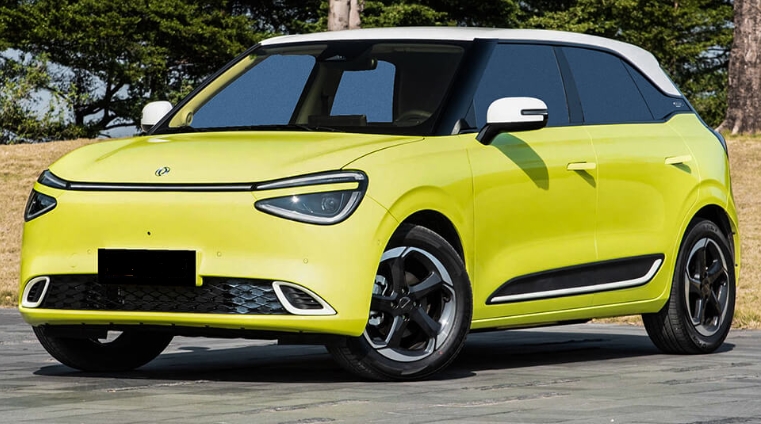
The Nammi 01 represents a pivotal shift in Dongfeng Motor Corporation’s approach to small electric vehicles. Unlike earlier budget-oriented models such as the Nano EX1 and Nano Box, the Nammi 01 is the first fully in-house developed vehicle under the Dongfeng Nammi brand, marking a transition toward modern platforms, improved technology, and global ambitions.
Entering production in 2024 and continuing to the present, the Nammi 01 is positioned as a subcompact electric hatchback designed for urban mobility. It combines affordability with contemporary design and features, competing in one of the fastest-growing EV segments in China and abroad.
This article explores the evolution of the Nammi 01, including its origins, model years, trim levels, specifications, and future outlook.
Origins and Brand Transformation (2022–2023)
The Nammi 01 emerged during a broader restructuring within Dongfeng Motor Corporation.
From eGT to Independent Development
Before the Nammi 01, Dongfeng’s small EV lineup consisted largely of rebadged joint-venture products such as:
- Nano EX1
- Nano Box
These vehicles were based on platforms shared with Renault and Nissan. However, by 2023, Dongfeng launched the Nammi brand as a standalone EV division focused on:
- Small electric vehicles
- Independent engineering
- Global market expansion
Debut of the Nammi 01
- First revealed: August 2023
- Public debut: November 2023 (Guangzhou Auto Show)
- Pre-sales began immediately afterward
The Nammi 01 was also the first model built on Dongfeng’s Quantum Architecture S3, a dedicated EV platform for compact vehicles.
.

.
Launch and First Model Year (2024)
Production Start: 2024
- Production began: January 6, 2024
- Manufacturing location: Xiangyang, Hubei, China
The 2024 model year marked the official entry of the Nammi 01 into the market.
2024 Trim Levels
The Nammi 01 introduced a simplified and structured trim hierarchy, a departure from the complex naming systems used in earlier Dongfeng EVs.
China Market (General Structure)
While exact naming varies slightly by region and translation, the core trims included:
- Base / Entry Edition (330 km range)
- Mid-Level Edition (330 km range)
- Extended Range Edition (430 km range)
- High-Spec / Flagship Edition (430 km range)
These trims were primarily differentiated by:
- Battery size
- Technology features
- Interior materials
International Variants (2024)
As the Nammi 01 expanded globally, trim naming became more standardized:
Malaysia
- E2 (31.45 kWh)
- E3 (42.3 kWh)
Nepal
- E1
- E2
- E3
Vietnam / South Africa
- E1 (330 km)
- E2 (330 km / 430 km)
- E3 (430 km)
Other Markets
- Often branded as Dongfeng Box or Nammi Box
This global strategy demonstrated Dongfeng’s effort to standardize trims while adapting to regional market preferences.
Technical Specifications (2024)
- Motor: Permanent magnet synchronous motor
- Power: ~70 kW (94 hp)
- Torque: 160 Nm
- Drivetrain: Front-wheel drive
Battery Options
- 31.45 kWh battery
- Range: ~330 km (CLTC)
- 42.3 kWh battery
- Range: ~430 km (CLTC)
Dimensions
- Length: 4030 mm
- Wheelbase: 2660 mm
- Body style: 5-door hatchback
Design and Features
The Nammi 01 marked a significant step forward in design compared to earlier models:
Exterior
- Rounded, modern styling
- LED light bar and split headlight design
- Compact proportions for urban driving
Interior
- Large central touchscreen (~12.8 inches in later versions)
- Digital instrument cluster
- Minimalist layout
Technology
- Voice control with AI integration
- Advanced driver-assistance systems (ADAS)
- Vehicle-to-load (V2L) capability
Market Expansion and Growth (2024–2025)
Global Rollout
Following its launch, the Nammi 01 rapidly expanded into international markets:
- Europe (as Dongfeng Box)
- Southeast Asia
- South Asia (Nepal)
- Africa (Nigeria, South Africa)
This marked a shift from China-only sales to global distribution.
Sales Performance
- 2024: ~33,437 units
- 2025: ~36,626 units
These figures indicate steady growth, particularly for a newly launched model.
Market Position
The Nammi 01 competes with:
- BYD Seagull
- Wuling Bingo
- Other budget EV hatchbacks
Its key selling points include:
- Affordable pricing (~$10,000–$15,000 range in China)
- Modern technology
- Competitive driving range
Second Phase: Updated Model and Expanded Lineup (2025–2026)
2026 Model Update
In 2025, Dongfeng introduced an updated version of the Nammi 01 for the 2026 model year, representing the first major evolution of the model.
2026 Trim Levels
The updated lineup expanded significantly, offering up to eight variants, including:
- Entry-level versions (330 km range)
- Mid-tier comfort versions
- High-spec luxury variants (430 km range)
- Technology-focused trims
This marked a shift toward:
- Greater customization
- Broader price range
- Increased feature differentiation
Key Improvements (2026 Update)
Technology Enhancements
- Upgraded infotainment system
- 12.8-inch high-resolution display
- AI-based voice assistant
Comfort Features
- Heated and ventilated seats
- Wireless charging (50W)
- Electrically adjustable seats
Safety and ADAS
- Adaptive cruise control (ACC)
- Lane-keeping assist (LKA)
- Automatic emergency braking (AEB)
Practicality
- Expanded cargo capacity (up to ~945 liters)
- Improved camera systems (540-degree view)
Design Updates
- New two-tone color schemes
- Updated wheel designs
- Minor exterior refinements
These updates were aimed at younger buyers and urban consumers.
Design Philosophy and Engineering
Urban-Focused Architecture
The Nammi 01 was designed specifically for city use:
- Compact footprint for easy parking
- Efficient electric drivetrain
- Emphasis on practicality
Quantum Architecture S3
The dedicated EV platform enables:
- Better energy efficiency
- Improved safety structure
- Flexibility for future models
Comparison to Predecessors
| Feature | Nano Box | Nammi 01 |
|---|---|---|
| Platform | Shared (Renault-based) | Proprietary (S3) |
| Power | ~33–70 kW | 70 kW |
| Range | Up to ~351 km | Up to ~430 km |
| Design | Basic | Modern, global-ready |
| Trim complexity | Very high | Simplified |
The Nammi 01 represents a clear generational leap in design, engineering, and market positioning.
Complete Timeline of the Nammi 01
2023
- Brand launch (Dongfeng Nammi)
- Nammi 01 unveiled
- Pre-sales begin
2024
- Production starts
- Initial trims introduced (E1, E2, E3 equivalents)
- Global expansion begins
2025
- Continued production
- Growing export presence
- Sales increase
2026
- Major update
- Expanded trim lineup (up to 8 variants)
- Technology and comfort improvements
Global Presence and Rebadging
The Nammi 01 is sold under multiple names:
- Dongfeng Box (global markets)
- Nammi Box (Europe)
- Localized names in Africa and Asia
This multi-branding strategy allows Dongfeng to:
- Adapt to regional markets
- Expand brand recognition
Strengths and Weaknesses
Strengths
- Competitive pricing
- Modern EV platform
- Good range for segment
- Expanding global availability
Weaknesses
- Limited performance (70 kW motor)
- New brand with limited recognition
- Strong competition in budget EV segment
Future Outlook
The Nammi 01 is expected to play a key role in Dongfeng’s EV strategy.
1. Continued Updates
Future iterations will likely include:
- Improved battery technology
- Enhanced software systems
- Expanded ADAS capabilities
2. Platform Expansion
The S3 platform will underpin additional models such as:
- Nammi 06 (compact SUV)
3. Global Growth
Dongfeng aims to:
- Expand into Europe and emerging markets
- Compete with global entry-level EVs
The Nammi 01 represents a major milestone in Dongfeng’s evolution from joint-venture-based EVs to fully independent electric vehicle development. Introduced in 2024 and continuing into the present, it combines affordability, modern design, and practical urban performance.
With a structured trim lineup, global expansion strategy, and ongoing updates, the Nammi 01 stands as a clear indicator of where the small EV segment is heading. As Dongfeng continues refining the model and expanding its presence, the Nammi 01 is poised to remain a key player in the rapidly evolving world of compact electric mobility.