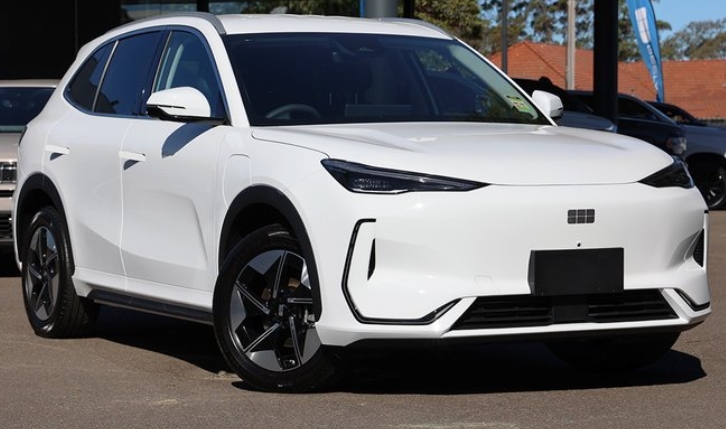
The Evolution of the Changan NEVO Q05: From Plug-In Hybrid Beginnings to Fully Electric Future
The Changan NEVO Q05 is a relatively new but significant addition to Changan Automobile’s expanding electrified lineup. Introduced under the NEVO (Qiyuan) sub-brand, the Q05 reflects the company’s transition toward electrification, combining plug-in hybrid technology with fully electric development in a short period.
Since its debut in 2023, the NEVO Q05 has evolved rapidly across two distinct generations, multiple powertrain types, and a range of trim levels. This article explores its development, technical progression, trim structure, and future outlook.
Origins of the NEVO Brand and Q05 Development (2022–2023)
The Q05 was developed as part of Changan’s NEVO (Qiyuan) brand, a sub-brand focused on new energy vehicles (NEVs), including plug-in hybrids and fully electric cars.
The NEVO lineup was designed to:
- Accelerate Changan’s electrification strategy
- Offer affordable electrified vehicles
- Compete with brands like BYD in China’s fast-growing EV market
The Q05 was positioned as a compact crossover SUV, targeting urban buyers seeking a balance between efficiency, practicality, and modern technology.
.
THIS is GOOD stuff if your car is in need:

.
First Generation (2023–2025): Plug-In Hybrid Foundation
Overview
- Production years: 2023–2025
- Model years: 2024–2025
- Powertrain: Plug-in hybrid (PHEV)
- Platform: Based on second-generation CS55 Plus
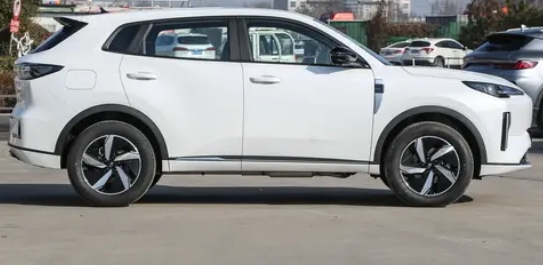
The first-generation NEVO Q05 was essentially a heavily updated and electrified derivative of the Changan CS55 Plus, featuring new styling and hybrid technology.
Design and Positioning
The first-generation Q05 adopted:
- A modernized front fascia
- Aerodynamic SUV proportions
- Subtle EV-inspired styling cues
It retained the practical size of a compact SUV, making it suitable for urban and suburban use.
Powertrain and Performance
The Q05 debuted with a plug-in hybrid system consisting of:
- 1.5-liter naturally aspirated engine (~81 kW / 109 hp)
- Electric motor (~158 kW / 212 hp)
- Combined output: ~215 hp
- Transmission: E-CVT
Performance figures included:
- 0–62 mph in approximately 7.3 seconds
- Combined fuel consumption as low as 1.3 L/100 km
- Electric range up to ~125 miles (CLTC)
Battery options:
- 18.4 kWh
- 18.99 kWh
These configurations allowed for a total driving range exceeding 700 miles when combining gasoline and electric power.
Trim Levels (2023–2025)
The first-generation Q05 was offered in multiple trims, though naming varied by market. The most commonly referenced trims include:
1. Base / Entry-Level Trim
- Smaller battery (18.4 kWh)
- Standard infotainment system
- Basic driver assistance features
2. Mid-Level Trim (SE / Smart)
- Larger battery option
- Enhanced infotainment
- Additional comfort features
3. High-End Trim (iD / Flagship)
- Full ADAS suite
- Premium interior materials
- Advanced connectivity systems
In some export markets, trims were explicitly labeled:
- SE (mid-level)
- iD (top-of-the-line)
These trims reflected a tiered approach based on technology, battery capacity, and comfort features.
Technology and Features
The first-generation Q05 emphasized technology:
- Large central touchscreen
- Digital instrument cluster
- Advanced driver assistance systems (ADAS)
- 360-degree camera systems
Higher trims also offered:
- Semi-autonomous driving features
- Premium seating and materials
Market Reception
The Q05 saw modest initial sales but grew rapidly:
- 2023: ~1,100 units
- 2024: ~38,000 units
- 2025: ~16,000 units (PHEV)
Its value proposition—high technology at a relatively low price—helped it compete with rivals like the BYD Sealion series.
Second Generation (2025–Present): Fully Electric Transformation
Overview
- Production years: 2025–present
- Model years: 2026–present
- Powertrain: Fully electric (BEV)
- Platform: Dedicated EV platform
The second-generation Q05 represents a major shift, transitioning from a hybrid-based vehicle to a fully electric SUV.
Design Evolution
The new generation introduced:
- A fully closed EV front grille
- Sharper, more futuristic styling
- Improved aerodynamics
It adopted NEVO’s “Digital Smart Wing 2.0” design language, aligning it with Changan’s latest EV models.
Dimensions and Packaging
Compared to the first generation, the second-generation Q05 became slightly more compact but more efficient:
- Length: ~174.6 inches
- Wheelbase: ~107.7 inches
This redesign improved:
- Interior space utilization
- Battery packaging
- Overall efficiency
Electric Powertrain
The second-generation Q05 is powered by:
- Electric motor: ~120 kW (161 hp)
- Battery options:
- 40.3 kWh → ~252 miles range
- 51.9 kWh → ~314 miles range
Additional features include:
- Fast charging (30%–80% in ~15 minutes)
- Front-wheel drive layout
- Improved efficiency
This transition positioned the Q05 as a direct competitor to compact electric SUVs worldwide.
Trim Levels (2025–Present)
The second-generation Q05 introduced a clearer trim structure, generally based on battery size and equipment levels:
1. Base EV Trim
- 40.3 kWh battery
- Standard infotainment system
- Core safety features
2. Mid-Level EV Trim
- Extended range battery options
- Enhanced connectivity
- Additional driver assistance systems
3. High-End / Technology Trim
- 51.9 kWh battery
- Advanced ADAS (including LiDAR in some versions)
- Premium interior materials
- Full digital cockpit
Higher trims may include:
- Level 2+ autonomous driving features
- Advanced sensor arrays (cameras, radar, LiDAR)
Interior and Technology Advancements
The second-generation Q05 significantly improved interior technology:
- 15.6-inch central touchscreen
- 10.17-inch digital instrument cluster
- AI-powered voice control
- 5G connectivity
These features position the Q05 among the most technologically advanced vehicles in its price segment.
Global Expansion and Rebranding
The NEVO Q05 is part of Changan’s broader global strategy.
Key Developments:
- Rebranded as Changan E06 for international markets (planned for 2027 launch in the United Kingdom)
- Introduced in Thailand as part of NEVO’s expansion (2026)
This global rollout reflects Changan’s ambition to compete internationally in the EV market.
Strengths and Challenges
Strengths
- Rapid electrification: Transition from PHEV to EV in just two years
- Advanced technology: Competitive digital features and ADAS
- Strong value proposition: High equipment levels at lower prices
- Flexible platform strategy: Supports both hybrid and EV configurations
Challenges
- Brand recognition: NEVO is still a new brand globally
- Dealer network limitations: Especially outside China
- Strong competition: Rival EV brands dominate global markets
Future Outlook
The NEVO Q05 is expected to play a major role in Changan’s future lineup.
1. Full Electrification
The shift to a fully electric platform suggests that future Q05 models will:
- Focus exclusively on EV technology
- Phase out hybrid variants
2. Global Expansion
With plans to launch as the Changan E06, the Q05 will likely:
- Enter European markets
- Expand into Southeast Asia and beyond
3. Technology Development
Future updates may include:
- Improved battery density and range
- Enhanced autonomous driving systems
- More advanced connectivity features
Since its introduction in 2023, the Changan NEVO Q05 has undergone a rapid and significant evolution. Beginning as a plug-in hybrid adaptation of an existing SUV, it quickly transitioned into a fully electric model built on a dedicated platform.
With multiple trim levels, advanced technology, and a clear focus on electrification, the Q05 represents Changan’s ambitions in the global EV market. As the automotive industry continues to shift toward sustainable mobility, the NEVO Q05 stands as a strong example of how quickly modern vehicles can evolve to meet new demands.