The Evolution of the Li Auto L7: A Five-Seat Flagship SUV in Rapid Transformation
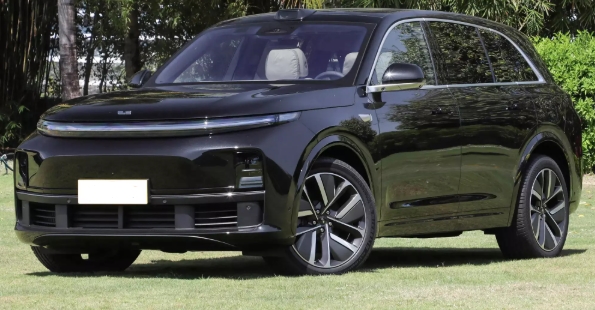
The Li Auto L7 is a premium five-seat midsize SUV developed by Chinese automaker Li Auto as part of its L-series lineup. Introduced in early 2023, the L7 was designed to serve as a slightly smaller, more accessible alternative to the larger L8 and L9 while still offering flagship-level comfort, advanced driver assistance, and long-range capability through Li Auto’s extended-range electric vehicle (EREV) system.
Since its debut, the L7 has undergone rapid evolution through trim restructuring, battery upgrades, hardware improvements, and a full mid-cycle facelift. It remains one of the company’s most important models and a key driver of its sales volume.
This article explores the complete evolution of the Li Auto L7, including production timeline, trims, technical upgrades, and future outlook.
Origins and Development
The Li Auto L7 was officially unveiled in September 2022 and launched for sale in February 2023. It joined the brand’s expanding L-series lineup alongside the L8 and L9.
The L7 was developed with a clear positioning strategy:
- A five-seat flagship SUV for families
- More compact and affordable than the L8 and L9
- Built on the same EREV architecture used across the L-series
- Designed to offer luxury features without full-size SUV bulk
Deliveries began shortly after launch in 2023, marking the start of its production life.
.
THIS could come in handy for your auto garage (and everywhere else!):

.
Production Timeline
- Reveal: September 2022
- Production Start: Early 2023
- Customer Deliveries Begin: 2023
- Major Facelift: March 2024
- Second Major Update: May 2025
- Current Production: 2023–present
The L7 has already experienced significant updates despite being a relatively new model, reflecting Li Auto’s fast product iteration cycle.
First Generation (2023–2024)
2023 Model Year: Initial Launch
The 2023 Li Auto L7 introduced the core formula of the model.
Core Specifications
- Body style: Midsize luxury SUV
- Seating: Five passengers (2+3 layout)
- Powertrain: Dual-motor AWD + gasoline range extender
- Total output: ~443 horsepower (330 kW)
- Acceleration: ~0–60 mph in about 5.3 seconds
Range and Battery
- Battery capacity: ~42.8 kWh
- Electric-only range: ~175 km (CLTC)
- Combined range: ~1,300+ km (CLTC)
The L7 used Li Auto’s second-generation EREV system, allowing it to function primarily as an electric vehicle while relying on a gasoline engine as a generator for long-distance travel.
2023 Trim Levels
At launch, the L7 followed Li Auto’s simplified two-trim strategy:
1. L7 Pro
- Entry-level configuration
- Standard driver assistance system (Li AD Pro)
- Fewer sensors and reduced computing power
2. L7 Max
- Premium configuration
- Li AD Max system with dual Nvidia Orin chips
- Enhanced autonomous driving capabilities
- Upgraded interior technology and entertainment features
Both trims shared:
- Same powertrain (443 hp AWD EREV system)
- Same battery and range capabilities
- Same body structure and seating layout
This structure made the L7 easy to position within Li Auto’s lineup.
2024 Model Year: Major Facelift and Expansion
The 2024 L7 facelift marked the first major evolution of the model.
Key Changes
- Updated exterior styling details
- Improved interior materials and feature set
- Upgraded infotainment system using Qualcomm Snapdragon 8295P chip
- Improved massage seats and comfort features
- Rear design changes, including repositioned license plate
Battery Upgrade (Key Highlight)
- New 52.3 kWh battery option introduced in higher trims
- Electric-only range increased up to ~240 km (CLTC in top versions)
- Combined range improved to over ~1,400 km (CLTC)
This marked a significant step forward in EV usability and efficiency.
2024 Trim Restructure
The facelift also introduced a revised trim lineup:
1. L7 Pro (Updated)
- Entry model with improved software and hardware
- Standard ADAS system (Li AD Pro)
2. L7 Max (Updated)
- Mid-tier premium configuration
- Enhanced driver assistance system
3. L7 Ultra (New Flagship Trim)
- Introduced as top-tier version
- 52.3 kWh battery standard
- Li AD Max system with advanced computing hardware
- Additional luxury and comfort upgrades
The introduction of the Ultra trim marked the L7’s first true expansion beyond a simple two-variant structure.
2025 Model Year: Technology Refresh and Optimization
The 2025 Li Auto L7 brought further refinement and another trim reshuffle.
Key Updates
- Improved battery efficiency and range consistency
- Faster charging performance (0.4–0.5 hour DC fast charging window)
- Updated ADAS systems with improved computing hardware
- Continued refinement of suspension and ride comfort
ADAS Evolution
- Pro models used updated Horizon-based chips
- Max and Ultra models adopted Nvidia Thor-U or higher-performance platforms
This improved real-world autonomous driving capability and system responsiveness.
2025 Trim Structure
By 2025, the L7 lineup stabilized into three main trims:
1. L7 Pro
- Entry-level model
- Focus on affordability
- Standard driver assistance system
2. L7 Max
- Mid-level configuration
- Advanced autonomous driving system
- Better interior technology package
3. L7 Ultra
- Flagship configuration
- Largest battery option (~52.3 kWh)
- Full AD Max system with advanced hardware
- Premium comfort and entertainment features
This structure remained consistent across most markets.
Design and Interior Evolution
The L7 has maintained a consistent design identity since launch.
Exterior
- Clean, modern SUV styling
- Continuous LED light bar design
- Balanced proportions between compact and full-size SUVs
Interior
- Dual large infotainment screens
- Rear comfort-focused seating
- Premium materials and ambient lighting
Later updates focused on:
- Improved chip performance
- Enhanced infotainment responsiveness
- Better noise insulation
Engineering and Technology
The L7 is built on Li Auto’s EREV architecture, which remains its defining feature.
Key Engineering Features
- Dual electric motors (AWD)
- 1.5-liter turbocharged engine as generator
- Large battery pack for daily EV driving
- Fast DC charging capability
Advantages
- Eliminates range anxiety
- Strong performance (over 440 hp)
- Long-distance flexibility
Limitations
- More complex than pure EVs
- Heavier than comparable BEV SUVs
Market Position and Competitors
The L7 competes in the premium midsize five-seat SUV segment.
Key Competitors
- Tesla Model Y (higher trims)
- AITO M7
- XPeng G9 (overlapping price segment)
- BMW X5 (entry-level configurations in some markets)
Strengths
- Long combined range
- Strong standard equipment
- Family-friendly interior layout
Challenges
- Increasing competition from pure EV platforms
- Rapid technology cycle requiring frequent updates
Sales Performance
The L7 has been one of Li Auto’s best-selling models:
- Strong initial demand in 2023
- Continued high-volume sales through 2024
- Stabilized demand in 2025 as lineup expanded
It consistently ranks among Li Auto’s top-selling L-series vehicles.
Future Outlook
The Li Auto L7 is expected to continue evolving rapidly.
1. Electrification Path
- Higher-capacity battery systems
- Improved EREV efficiency
- Potential transition toward full BEV platform in future generations
2. Autonomous Driving
- More advanced AI chips
- Higher-level autonomous capabilities
- Expanded sensor fusion systems
3. Trim Simplification
Future iterations may:
- Reduce trim complexity
- Consolidate Pro/Max/Ultra structure
4. Next Generation Model
A second-generation L7 is likely later in the decade, potentially featuring:
- Dedicated EV platform
- Longer electric range
- Updated design language
Since its introduction in 2023, the Li Auto L7 has rapidly evolved from a two-trim flagship SUV into a more complex and technologically advanced model with multiple updates and a three-tier trim structure.
Its evolution has been defined by:
- Rapid battery and hardware upgrades
- Expansion from Pro and Max to Ultra trim levels
- Continuous improvements in autonomous driving technology
As a key part of Li Auto’s L-series lineup, the L7 continues to serve as a critical bridge between affordability, luxury, and long-range practicality. With ongoing innovation and strong market demand, it is likely to remain a central model in Li Auto’s portfolio for years to come.