Karry Q22: The Evolution of a Practical Workhorse Van
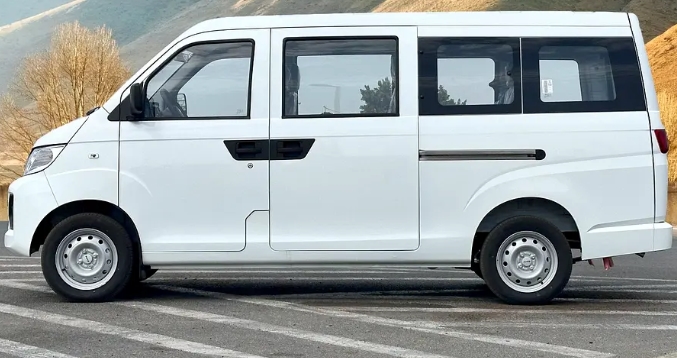
The Karry Q22, also widely known as the Karry Youyou, represents one of the most enduring and versatile light commercial vehicles developed by Chery Automobile under its Karry sub-brand. Designed primarily for emerging markets and small businesses, the Q22 has evolved from a simple, low-cost microvan into a globally distributed utility platform with multiple body styles, powertrains, and configurations.
This article explores the full evolution of the Karry Q22, including its production timeline, model variants, trim levels, and its broader significance in the light commercial vehicle segment.
Origins and Early Development (2007–2009)
Although the Karry Q22 nameplate officially entered production in 2009, its roots trace back to 2007 with the launch of the Karry Youyou—one of the earliest vehicles developed under the Karry brand.
Karry itself was established in 2009 as a dedicated commercial vehicle division of Chery, focusing on affordable vans, trucks, and utility vehicles for China’s rural and lower-tier urban markets.
The Youyou (later designated Q22) was conceived as a compact MPV/minivan hybrid, offering:
- Rear-wheel-drive layout
- Mid-engine configuration
- Compact dimensions for urban maneuverability
This combination made it especially attractive for delivery services, tradespeople, and small-scale logistics.
.
THIS is GOOD stuff if your car is in need:

.
First Generation Karry Q22 (2009–2012)
Production Years:
- 2009–2012 (standard wheelbase initial phase)
The initial Karry Q22 models were simple, utilitarian vans designed with cost efficiency in mind. Key specifications included:
- Engine options: 1.0L, 1.1L, and 1.2L inline-4 gasoline engines
- Transmission: 5-speed manual
- Layout: front mid-engine, rear-wheel drive
Body Styles
During this phase, the Q22 platform supported:
- 5-door van (Youyou)
- Basic cargo van configurations
Trim Levels (Typical)
While official trim naming varied by market, early Q22 models were typically offered in:
- Base (standard utility trim)
- Cargo-focused variant
- Passenger-oriented variant
These trims emphasized affordability over luxury, with minimal features.
Expansion and Q22L Extended Model (2012–2018)
Production Years:
- 2012–2018 (standard + extended wheelbase)
In 2012, Karry introduced the Q22L (extended wheelbase) variant, marking a major milestone in the model’s evolution.
Key Upgrades
- Wheelbase increased from approximately 102.4 inches to 110.2 inches
- Length expanded to about 174.4 inches
- Improved cargo capacity and passenger space
The extended version quickly became more popular due to its practicality, and by 2018 it effectively replaced the standard wheelbase version in many markets.
Powertrain
- 1.2L engine producing around 67 horsepower (50 kW)
- Top speed: approximately 75 mph (120 km/h)
Trim and Configurations
During this period, the Q22 lineup expanded significantly:
- Standard passenger van
- Panel van (cargo version)
- High-roof variants (market-dependent)
- Q22L cargo and passenger trims
This phase marked the Q22’s transition from a basic van to a more flexible commercial platform.
Global Expansion and Rebadged Versions (2013–2020s)
As production matured, the Karry Q22 began appearing in international markets under different names:
- Chery Yo-Yo (Indonesia)
- Chery Van Cargo (Colombia)
- Karry Yoyo (Egypt)
This global expansion reflected the model’s affordability and adaptability. It also became a competitor to other microvans like the Wuling Sunshine and DFSK V-series.
Pickup Variants: Karry Youjin Series (2009–2022, expanded in 2020)
A major branch of the Q22 family is the Youjin pickup series, derived directly from the same platform.
Key Models:
- Youjin (Q22B) – early pickup derivative
- Youjin T5 (2020–) – updated modern pickup
- Youjin T7 – extended lineup variant
The Youjin T5, introduced in 2020, represented a modernization effort:
- 1.5L engine producing approximately 116 horsepower
- Reinforced chassis for heavier loads
- Single-cab and crew-cab configurations
Pickup Trim Levels
Typical trims included:
- Single Cab (work-focused)
- Double Cab (passenger + cargo flexibility)
- Heavy-duty variants (market dependent)
Electric Variants: Youyou EV and Youjin EV (2010s–2022)
As electrification gained momentum, Karry adapted the Q22 platform into electric commercial vehicles.
Youyou EV (Electric Van)
- Battery options: 34 kWh and 40 kWh
- Range: up to 161 miles (260 km)
- Power output: ~82 horsepower
Youjin EV (Electric Pickup)
- Shared electric architecture with van version
- Standard 40 kWh battery
Other Derivatives
- Yangtse WG5031XXYBEV (licensed electric version)
These models were especially popular in urban delivery fleets due to zero emissions and lower operating costs.
Later Production Years and Final Phase (2018–2022)
Production Years:
- 2018–2022 (final combustion-engine phase)
By this period:
- Only the extended Q22L variant remained in production
- The platform was refined but not fundamentally redesigned
Karry continued offering:
- Cargo vans
- Passenger vans
- Pickup derivatives
Despite its aging design, the Q22 remained competitive due to its:
- Low cost
- Proven reliability
- Ease of maintenance
Production of the internal combustion Q22 line ended around 2022, marking the end of an era.
Trim Levels and Configurations Overview
Across its lifecycle, the Karry Q22 was offered in a wide variety of trims and configurations:
Van-Based Models
- Base (entry-level utility)
- Passenger (multi-seat configuration)
- Cargo (panel van)
- High-roof (select markets)
- Q22L extended variants
Pickup Models
- Single Cab
- Double Cab
- Youjin T5 / T7 trims
Engine Options
- 1.0L (base)
- 1.1L
- 1.2L (most common)
- 1.5L (pickup variants)
Electric Versions
- Youyou EV (van)
- Youjin EV (pickup)
This wide range of trims helped the Q22 appeal to diverse commercial users worldwide.
Design and Engineering Philosophy
The Karry Q22 was engineered with simplicity and utility in mind:
- Boxy design to maximize cargo space
- Rear-wheel-drive layout for load handling
- Leaf-spring rear suspension for durability
Interior features were minimal but functional, with later models adding:
- Air conditioning
- Basic infotainment
- Improved safety features like airbags and ABS
Market Role and Competitors
The Q22 competed in the global microvan segment against:
- Wuling Rongguang
- DFSK V-series
- BAIC Weiwang vans
Its key advantages included:
- Lower purchase cost
- Flexible configurations
- Broad international availability
Future Outlook
Although production of the traditional Q22 ended in 2022, its legacy continues in several ways:
- Electrification Strategy
Karry has shifted toward fully electric commercial vehicles, with models like the Dolphin and Porpoise replacing older combustion vans. - Continued Global Presence
The Q22 platform still appears in some markets and remains in use as a low-cost commercial solution. - Potential Revival
With demand for affordable utility vehicles still strong, a modernized or fully electric successor to the Q22 could emerge.
The Karry Q22 stands as a quintessential example of a practical, globally adaptable commercial vehicle. Produced from 2009 to 2022, it evolved from a simple microvan into a versatile platform supporting vans, pickups, and electric derivatives.
Its success lies not in cutting-edge technology, but in reliability, affordability, and adaptability—qualities that made it indispensable for small businesses and emerging markets worldwide.
As the automotive industry transitions toward electrification, the Q22’s influence lives on, shaping the next generation of compact commercial vehicles.