The Evolution of the Chery QQ Series: From QQ and QQ3 to QQ6 and QQ Ice Cream
The Chery QQ is one of the most influential and recognizable vehicle lineups in China’s automotive history. First introduced in the early 2000s, the QQ series evolved from a simple gasoline-powered city car into a diverse family of compact vehicles—including hatchbacks, sedans, and modern electric microcars like the QQ Ice Cream.
Spanning more than two decades, the QQ lineup includes the original QQ, the QQ3, the sedan-based QQ6, and the modern QQ Ice Cream EV. Together, these models reflect the transformation of China’s automotive industry—from low-cost urban transportation to advanced electric mobility.
Origins: The Birth of the Chery QQ (2003–2006)
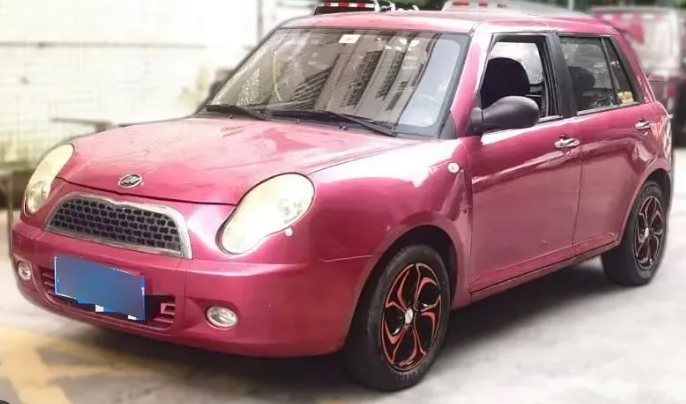
The QQ story began in 2003, when Chery launched the original QQ hatchback. Designed as a budget-friendly city car, it quickly became one of the brand’s best-selling vehicles.
Key Characteristics of the Original QQ
- Body style: 5-door hatchback
- Segment: A-segment city car
- Engine options:
- 0.8-liter inline-3
- 1.1-liter inline-4
The QQ was widely exported and assembled in several markets, including Iran (as the MVM 110). It was particularly popular due to:
- Extremely low purchase price
- Compact dimensions ideal for urban driving
- Simple mechanical design
By 2006, the QQ had become a cornerstone of Chery’s lineup.
.
THIS is GOOD stuff if your car is in need:

.
Expansion into a Model Family (2006–2010)
In 2006, Chery expanded the QQ into a full sub-brand, introducing additional body styles and variants.
This marked the beginning of the QQ’s evolution into a multi-model lineup.
The Chery QQ3: Evolution of the Original Hatchback (2006–2022)
In 2006, the original QQ hatchback was renamed the Chery QQ3, allowing it to coexist with newer models.
First Generation (2003–2013, renamed QQ3 in 2006)
The early QQ3 retained the same structure as the original QQ:
- 0.8L and 1.1L engines
- 5-speed manual transmission
- Basic trim structure
Typical Trim Levels (varied by market)
- Standard / Base
- Minimal features
- Comfort
- Air conditioning, upgraded interior
- Luxury
- Power accessories, improved materials
2012 Facelift: QQ3 Sport
In 2012, the QQ3 received a facelift known as the QQ3 Sport:
- Redesigned front and rear styling
- Updated interior materials
- New 1.0L engine option
This version improved efficiency and modernized the vehicle’s appearance.
Second Generation QQ3 (2013–2022)
In 2013, Chery introduced a new generation of the QQ3:
- Updated platform
- Improved safety and comfort
- Continued focus on affordability
Production of the QQ3 continued until 2022, marking nearly two decades of continuous development.
Electric Variant: Chery eQ (2014–2018+)
A significant milestone was the introduction of the eQ, an electric version of the QQ3:
- Power: ~57 horsepower
- Range: ~124 miles (200 km)
- Charging time: 8–10 hours
This marked one of Chery’s earliest steps into electric mobility.
The Chery QQ6: Sedan Expansion (2006–2010)
Alongside the QQ3, Chery introduced the Chery QQ6 in 2006, expanding the lineup into a sedan format.
Production Years
- 2006–2010
Key Specifications
- Body style: 4-door sedan
- Engines:
- 1.1L inline-4
- 1.3L inline-4
- Transmission: 5-speed manual
Trim Levels
The QQ6 followed a similar structure to the QQ3:
- Base
- Basic equipment
- Comfort
- Air conditioning, improved upholstery
- Luxury
- Additional convenience features
Design and Market Role
The QQ6 was designed to:
- Appeal to buyers wanting a low-cost sedan
- Provide more practicality than the hatchback
However, it faced challenges:
- Unconventional styling
- Limited market appeal
Production ended in 2010, with a facelifted version (Cowin 1) continuing briefly until 2013.
Additional Variant: QQme (2009–2011)
It is worth noting the QQme, a 3-door hatchback produced from 2009 to 2011:
- Designed for younger buyers
- Limited sales success
This model demonstrated Chery’s experimentation with the QQ lineup.
Decline and Transition (2015–2020)
By the mid-2010s, the QQ series began to decline due to:
- Increasing competition
- Rising consumer expectations
- Safety concerns (some versions received poor crash ratings)
Production of the QQ3 eventually ended in 2022, closing a major chapter in the lineup.
Revival in the Electric Era: QQ Ice Cream (2021–Present)
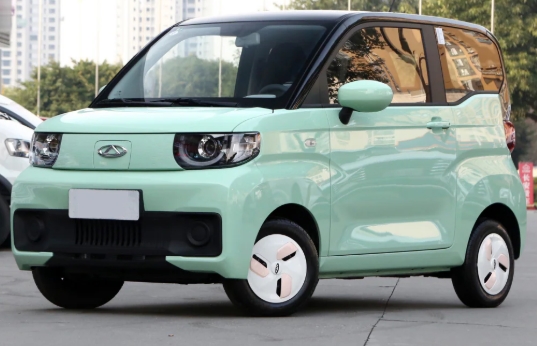
In 2021, Chery revived the QQ nameplate with the launch of the Chery QQ Ice Cream, a fully electric city car designed for the modern era.
Launch and Positioning
- Production: 2021–present
- Segment: micro EV
- Competitor: Wuling Hongguang Mini EV
The QQ Ice Cream was designed to:
- Offer ultra-affordable electric mobility
- Appeal to younger and urban buyers
- Compete in the fast-growing micro EV market
Powertrain and Battery Options
- Motor: 27 horsepower (20 kW)
- Battery options:
- 9.6 kWh
- 13.9 kWh
- Range:
- ~75 miles (120 km)
- ~106 miles (170 km)
Trim Levels (2021–Present)
The QQ Ice Cream uses themed trim names, often inspired by desserts:
Common trims include:
- Cone (base trim)
- Sundae (mid-level)
- Sweet / Pro variants (higher trims)
Features vary by trim:
- Base:
- Basic interior
- Minimal infotainment
- Mid-level:
- Air conditioning
- Infotainment screen
- Top trims:
- Connectivity features
- Enhanced interior finishes
Technology and Features
The QQ Ice Cream introduced new innovations:
- iCar Ecology system
- Smart connectivity with home devices
- Cloud-based services via Alibaba Cloud
- Smartphone integration
Sales Performance
The QQ Ice Cream achieved strong sales:
- 2023: ~64,669 units
- 2024: ~43,249 units
- 2025: ~27,688 units
Return of the QQ3: Third Generation EV (2026–Present)
In 2026, Chery reintroduced the QQ3 as a modern electric hatchback, marking a full-circle return of the original model.
Key Features
- Battery options:
- 29.48 kWh (310 km range)
- 41.28 kWh (420 km range)
- Rear-wheel-drive layout
- Advanced driver assistance systems
This new QQ3 reflects:
- Transition to fully electric platforms
- Increased focus on technology and safety
Evolution Summary
Timeline Overview
- 2003–2006: Original QQ hatchback
- 2006–2022: QQ3 (multiple generations)
- 2006–2010: QQ6 sedan
- 2014–2018+: eQ electric variant
- 2021–present: QQ Ice Cream EV
- 2026–present: Third-generation QQ3 EV
Design and Engineering Evolution
The QQ series demonstrates a clear progression:
Early Years
- Basic, low-cost engineering
- Minimal safety and technology
- Focus on affordability
Middle Phase
- Introduction of new body styles (QQ6, QQme)
- Early electrification (eQ)
- Gradual improvements in quality
Modern Era
- Dedicated EV platforms
- Advanced connectivity
- Improved safety and performance
Market Impact and Legacy
The QQ series has had a profound impact on the automotive industry in China.
Key Contributions
- Mass Motorization
- Helped make car ownership accessible
- Global Expansion
- Exported to multiple international markets
- Early EV Adoption
- Introduced affordable electric vehicles
Challenges and Criticism
The QQ lineup also faced criticism:
- Early design controversies (similarities to other vehicles)
- Safety concerns in early models
- Declining competitiveness in later years
Despite these issues, the QQ remained a significant player in its segment.
Future Outlook
The future of the QQ series lies in electrification.
Expected Trends
- Continued focus on low-cost EVs
- Expansion of micro EV lineup
- Integration of advanced technology
The new QQ3 EV and QQ Ice Cream suggest that Chery will:
- Maintain the QQ as an entry-level brand
- Use it to compete in global EV markets
From its humble beginnings in 2003 to its modern electric revival, the Chery QQ series has undergone a remarkable transformation. Models like the QQ3 and QQ6 established the brand’s identity as a provider of affordable transportation, while newer vehicles like the QQ Ice Cream and the latest QQ3 EV represent the future of accessible electric mobility.
With production spanning more than two decades and multiple generations, the QQ lineup stands as a symbol of China’s automotive evolution—bridging the gap between basic city cars and the sophisticated electric vehicles of today.