The Evolution of the Livan 7: From Concept EV to Advanced Battery-Swapping SUV
The Livan 7 is one of the most technologically significant vehicles in Livan Automotive’s lineup, representing the brand’s early commitment to electrification, battery-swapping systems, and advanced driver assistance technologies. Introduced in 2023, the Livan 7 has evolved steadily through multiple trims, powertrain configurations, and even derivative models, all while remaining within its first generation as of 2026.
This article provides a detailed, factual overview of the Livan 7’s evolution, including its origins, production timeline, trim levels, and future outlook.
Origins and Concept Development (2022)
The Livan 7’s story begins with the Livan RL7 Concept, unveiled in June 2022 at the Chongqing Auto Show.
This concept previewed a new direction for Livan, emphasizing:
- Aerodynamic coupe-SUV styling
- Advanced digital interfaces
- Integration with Geely’s battery-swapping ecosystem
The Livan 7 became the second production model under the newly restructured Livan brand, which had been formed in 2022 through the reorganization of Lifan and its partnership with Geely.
.

.
Launch and First Production Year (2023)
Production Start
- 2023–present (2026)
The Livan 7 officially entered production in early 2023, marking Livan’s first dedicated electric SUV built on the GBRC (Global Battery Rapid Change) platform.
Market Position
- Segment: Compact crossover SUV
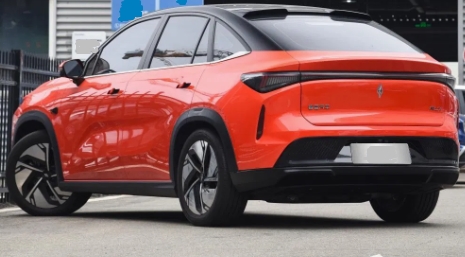
- Body style: Five-door coupe SUV
- Seating: Five passengers
The vehicle was designed to compete in the rapidly growing EV crossover segment while offering unique advantages such as battery swapping.
2023 Model Year: Initial Trim Levels
At launch, the Livan 7 was offered in three primary trim levels, all focused on high-range electric performance.
2023 Trim Lineup
- Zhufeng (Base trim)
- Lightning Hunter (Mid-level)
- Light Hunt Max (Top trim)
Key Specifications (2023)
- Battery: 68.0 kWh (NMC)
- Range: approximately 376 miles (605 km CLTC)
- Power: 241 horsepower (180 kW)
- Drivetrain: Rear-wheel drive
- 0–60 mph: approximately 6.8 seconds
Feature Highlights
- 15.6-inch infotainment display
- 9.2-inch digital instrument cluster
- Optional LiDAR (top trim only)
- Level 2+ driver assistance system
The 2023 lineup emphasized performance and long range, with all trims sharing the same battery but differing in technology and features.
2024 Model Year: Expanded Range and Trim Diversity
The Livan 7 saw its most significant evolution in 2024, when the model range expanded dramatically to include multiple battery sizes and configurations.
New Powertrain Strategy
Two main configurations were introduced:
1. Standard Range (450 km / ~280 miles)
- Battery: 50.4 kWh (LFP)
- Power: 161 horsepower (120 kW)
- Drivetrain: Front-wheel drive
2. Long Range (605 km / ~376 miles)
- Battery: 68.0 kWh (NMC)
- Power: 161 horsepower (120 kW, revised for efficiency)
- Drivetrain: Front-wheel drive
This marked a shift from the original rear-wheel-drive setup to a more cost-effective front-wheel-drive configuration for most trims.
2024 Trim Levels
The 2024 model year introduced a six-trim lineup, significantly expanding customer choice:
- 450 Fortune
- 450 Honor
- 605 Fortune
- 605 Honor
- 450 Business Pride Edition
- 605 Honor Executive
Trim Structure Overview
Entry-Level Trims (450 Fortune, 450 Honor)
- Smaller battery (50.4 kWh)
- Lower price point
- Focus on efficiency and affordability
Mid-Level Trims (605 Fortune, 605 Honor)
- Larger battery (68.0 kWh)
- Improved range
- Additional comfort and tech features
Special Edition (450 Business Pride Edition)
- Fleet-oriented features
- Enhanced practicality
Top Trim (605 Honor Executive)
- Maximum feature set
- Premium interior and advanced systems
Technical Evolution (2023–2024)
The Livan 7 underwent several key technical changes between its first two model years:
Drivetrain Shift
- 2023: Rear-wheel drive (performance-focused)
- 2024: Primarily front-wheel drive (efficiency-focused)
Battery Options
- 2023: Single 68 kWh battery
- 2024: Dual battery options (50.4 kWh and 68 kWh)
Suspension Changes
- Base trims: Torsion beam rear suspension
- Higher trims: Multi-link independent suspension
Technology Improvements
- Enhanced driver assistance systems
- Wider availability of digital features
- Improved energy efficiency
Derivative Models and Variants
The Livan 7 platform has also spawned several related vehicles:
Maple Cao Cao 60
- Introduced in 2023
- Designed for ride-hailing fleets
- Battery-swapping capability
- Approximately 258-mile range (415 km CLTC)
Geely Boyue REV
- Introduced in 2026
- Extended-range electric vehicle (EREV)
- Combines gasoline engine with electric drive
- Total range exceeding 900 miles (1,500+ km combined)
These variants demonstrate the flexibility of the Livan 7 platform.
Interior and Technology
The Livan 7’s interior has remained consistent but competitive throughout its production:
Key Features
- 15.6-inch central touchscreen
- 9.2-inch digital instrument panel
- Augmented reality head-up display (AR-HUD)
- Satellite-supported navigation system
Advanced Systems
- Level 2+ driver assistance
- LiDAR (select trims)
- Geely-developed Dragon Eagle-1 automotive chip
These features position the Livan 7 as a technologically advanced vehicle in its segment.
Dimensions and Design
The Livan 7 maintains consistent physical dimensions:
- Length: 184.6 inches (4690 mm)
- Width: 74.5 inches (1892 mm)
- Height: 65.0 inches (1650 mm)
- Wheelbase: 109.3 inches (2775 mm)
Its coupe-like design emphasizes aerodynamics, with a drag coefficient of 0.238 Cd, contributing to efficiency.
Market Performance and Sales
The Livan 7 has seen steady growth in production and sales:
- 2023: 1,551 units sold
- 2024: 4,185 units sold
- 2025: 2,640 units sold
The ride-hailing variant (Cao Cao 60) has achieved significantly higher volumes, reflecting its commercial appeal.
Position in the Livan Lineup
The Livan 7 occupies a central role in the brand’s portfolio:
- More advanced than the X3 Pro and X6 Pro
- More affordable than the larger Livan 9
- Key platform for electrification and innovation
It also serves as a technology flagship, showcasing battery-swapping and advanced electronics.
Evolution Strategy
The Livan 7 follows a modular and scalable evolution strategy, characterized by:
- Platform reuse (GBRC architecture)
- Expansion of trim levels rather than redesign
- Introduction of derivative models
This approach allows Livan to adapt quickly to changing market demands.
Future Outlook
As of 2026, the Livan 7 remains in its first generation, but several developments are likely:
1. Mid-Cycle Refresh
- Updated exterior styling
- Larger infotainment displays
- Improved user interface
2. Expanded Powertrains
- Broader adoption of EREV systems
- Potential dual-motor AWD variants
3. Battery Improvements
- Higher energy density batteries
- Faster charging speeds
- Expanded battery-swapping infrastructure
4. Autonomous Driving Enhancements
- More advanced driver assistance
- Improved sensor integration
- Greater reliance on satellite navigation systems
The Livan 7 is a clear example of how modern automakers are evolving vehicles through technology, modular design, and electrification rather than traditional generational redesigns.
Since its launch in 2023, the model has evolved from a single high-range EV into a diversified lineup featuring:
- Multiple battery options
- Six trim levels (by 2024)
- Commercial and extended-range variants
Its consistent platform, combined with ongoing updates, has allowed the Livan 7 to remain competitive in the fast-changing electric vehicle market.
Looking ahead, the Livan 7 is expected to continue evolving through incremental improvements, expanded electrification options, and greater technological sophistication—ensuring its role as a cornerstone of Livan’s global ambitions.