The Evolution of the Huansu C60 Hyosow: China’s “Urus-Inspired” SUV
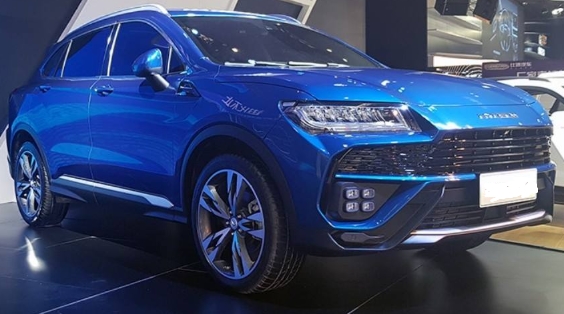
The Huansu C60 Hyosow is one of the more recognizable examples of China’s late 2010s compact SUV expansion period, largely due to its controversial styling inspired by the Lamborghini Urus. Produced under the Huansu sub-brand of BAIC-affiliated joint ventures, the C60 Hyosow represented both the ambition and instability of several emerging Chinese automakers during that era.
While it was not a global market vehicle and had a relatively short and uncertain production life, the C60 Hyosow is still frequently referenced as a case study in design imitation, budget performance engineering, and the rapid rise-and-fall cycles of smaller Chinese automotive brands.
Background: The Huansu Brand and Industry Context
Huansu was a sub-brand linked to the BAIC Group and Yinxiang partnership. The brand name “Hyosow” was an export-style spelling used in some markets and marketing materials.
The company emerged during a period when China’s domestic automotive industry was rapidly expanding beyond microvans and entry-level sedans into SUVs and crossovers. Many of these brands focused on:
- Low pricing strategies
- Rapid product development cycles
- Styling inspired by successful global SUVs
- Shared platforms and engines across multiple models
Huansu was part of this wave, producing several compact SUVs such as the S-series and H-series models before introducing the C60 as a flagship-style crossover.
However, the broader corporate structure behind Huansu became unstable by the late 2010s, and production continuity across its lineup suffered as a result.
.
NO MORE dead batteries with this:

.
Introduction of the Huansu C60 Hyosow (2018)
The Huansu C60 Hyosow was officially introduced in 2018. It was positioned as a compact-to-mid-size SUV and immediately drew attention for its visual resemblance to the Lamborghini Urus.
According to multiple automotive reports from its debut period, the C60 Hyosow entered production in 2018 and was expected to be sold primarily in the Chinese domestic market, with no meaningful international distribution planned.
It was designed to be a flagship SUV for Huansu, sitting above smaller models in the lineup and offering both five-seat and seven-seat configurations depending on trim and market variant.
Design Evolution and Styling Direction
Exterior Design
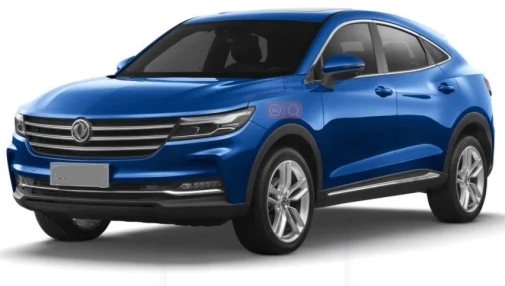
The C60 Hyosow’s most defining feature was its styling. While not a direct copy, it clearly took inspiration from the Lamborghini Urus, especially in:
- Aggressive front fascia design
- Narrow, angular headlight signatures
- Large grille proportions
- Muscular side body lines
- High beltline and coupe-like SUV stance
However, the design was simplified to reduce production costs. Compared to the Urus, the Huansu version featured:
- Softer body surfacing
- Less aggressive aerodynamic detailing
- A more upright, practical roofline for added interior space
- Simplified rear bumper and lighting design
This approach reflects a common trend among budget Chinese SUVs of the time: borrowing visual identity from premium European models while adapting proportions for affordability and cabin practicality.
Interior Design
The interior of the C60 Hyosow followed typical expectations for a budget SUV in its segment:
- Basic but modern dashboard layout
- Touchscreen infotainment system (on higher trims)
- Multi-row seating configurations (five, six, or seven seats depending on version)
- Cloth upholstery on base trims, upgraded materials on higher trims
While not luxurious, the cabin was designed to maximize space efficiency, which was a major selling point for families in lower-tier Chinese cities.
Powertrain and Mechanical Development
Unlike its high-performance visual inspiration, the C60 Hyosow was engineered for affordability and reliability rather than speed.
Most sources confirm that the SUV used a turbocharged four-cylinder gasoline engine, typically a 2.0-liter unit producing approximately 180 to 200 horsepower depending on tuning and configuration.
Key mechanical characteristics included:
- Front-engine, front-wheel-drive layout (typical configuration)
- Six-speed manual or automatic transmission options
- Emphasis on fuel economy over performance
- Standard suspension tuned for comfort rather than sport handling
This created a strong contrast between appearance and performance: while the exterior suggested a high-performance SUV, the mechanical package remained firmly in the economy segment.
Trim Levels and Model Variants
The Huansu C60 Hyosow was offered in several trims, though exact naming conventions varied slightly across reports and intended market configurations. The primary structure generally included:
Base Trim
The entry-level version focused on affordability and essential features:
- Cloth seating
- Basic infotainment system
- Manual air conditioning
- Standard steel or low-cost alloy wheels
- Standard safety equipment for the segment
This trim targeted budget-conscious buyers and fleet or commercial users.
Mid-Level Trim
The mid-tier version added comfort and convenience features:
- Larger infotainment display
- Alloy wheels
- Improved interior trim materials
- Rear parking assistance features
- Enhanced connectivity options
This was likely the most commonly sold configuration, balancing price and usability.
High / Flagship Trim
The top-tier version attempted to elevate the vehicle’s perceived value:
- Upgraded interior materials (including leather-style seating in some versions)
- Panoramic sunroof availability
- Advanced infotainment interface
- Additional exterior chrome accents
- Expanded driver assistance features such as rearview camera systems
Despite these upgrades, the vehicle remained firmly in the budget SUV category when compared to global competitors.
Production Timeline and Industry Challenges (2018–Early 2020s)
The C60 Hyosow entered production in 2018, but its lifecycle was short and poorly documented afterward.
Based on industry reporting, Huansu and its parent joint venture faced significant financial and operational difficulties shortly after the vehicle’s introduction. The broader Yinxiang-related structure behind Huansu experienced bankruptcy and restructuring pressures around the early 2020s, which affected multiple models in the lineup.
As a result:
- Production likely slowed significantly after the initial launch period
- Sales were concentrated almost entirely within China
- No major facelift or second generation was developed
- The model did not transition into a long-term product line
By the early 2020s, the Huansu brand effectively disappeared from mainstream automotive development plans, with many of its products discontinued or absorbed into successor branding strategies under different names.
Market Position and Competition
The C60 Hyosow entered one of the most competitive segments in China: the compact SUV market. Its rivals included vehicles from:
- Changan
- Geely
- Haval
- Dongfeng
- Baojun
Compared to these competitors, the Huansu C60’s advantages were:
- Aggressive styling appeal
- Low expected purchase price
- Flexible seating configurations
However, it struggled with:
- Weak brand recognition
- Limited long-term reliability reputation
- Lack of technological innovation compared to rivals
- Corporate instability behind the brand
Safety and Reliability Considerations
Like many low-cost SUVs of its era, the C60 Hyosow prioritized affordability over advanced safety engineering. While it likely included standard safety features such as airbags and basic stability systems, it did not compete with global crash-test leaders or premium safety architectures.
Reliability expectations were generally moderate, consistent with other budget Chinese SUVs built on shared platforms.
Future Outlook
The Huansu C60 Hyosow does not appear to have any future production plans or a successor model. With the Huansu brand effectively dissolved and its parent joint ventures restructured or discontinued, the C60 remains a one-generation product.
However, its design philosophy influenced later Chinese SUVs in indirect ways:
- Continued use of aggressive “European-inspired” styling cues
- Expansion of affordable seven-seat SUVs in domestic markets
- Increased focus on appearance-driven marketing in budget segments
Modern Chinese automakers have since moved toward more original styling and electric vehicle platforms, reducing the likelihood of future vehicles closely resembling the C60’s design approach.
The Huansu C60 Hyosow stands as a short-lived but memorable example of China’s rapidly evolving automotive industry during the late 2010s. Introduced in 2018, it combined bold styling inspired by the Lamborghini Urus with a modest 2.0-liter turbocharged engine and budget-oriented engineering.
Offered in multiple trim levels ranging from basic family transport to more feature-rich configurations, the C60 was designed to compete in a crowded and highly competitive SUV market. However, corporate instability and intense competition limited its lifespan, and production likely ended in the early 2020s.
Today, the C60 Hyosow is primarily remembered not as a global success, but as a snapshot of a transitional period in Chinese automotive history—when design experimentation, rapid development, and aggressive market entry defined many emerging brands.