JMC Shunda: The Evolution of Jiangling Motors’ Entry-Level Light Truck
The JMC Shunda is one of the most important light commercial trucks produced by Jiangling Motors Corporation (JMC). Introduced in 1997, the Shunda was developed to meet the growing demand for affordable and dependable light-duty trucks in China and export markets. Over nearly three decades, the model has evolved through multiple generations, gaining improvements in payload capacity, comfort, safety, efficiency, and technology while maintaining its reputation as a practical work vehicle. Today, the Shunda remains a key part of JMC’s commercial vehicle lineup, alongside the Kaiyun and Kairui truck families.
Origins of the JMC Shunda
The Shunda was launched in 1997 as JMC’s first independently developed light truck. At the time, JMC was expanding its commercial vehicle operations with technical influences from its partnerships with Isuzu and Ford. The Shunda was positioned as an entry-level truck designed for urban deliveries, small businesses, construction work, and regional transportation. Its simple mechanical design, low operating costs, and durability helped it gain popularity among commercial operators throughout China.
From the beginning, the Shunda was designed around a cab-over-engine layout, maximizing cargo space while keeping overall vehicle dimensions compact. This made it particularly useful in crowded urban environments where maneuverability was essential.
.
We LOVE cars & cruising around, but sometimes day trips to explore new cities are required (with family or friends) for a spice of variety in your life!
So GO explore!
Cruises & Day/Night USA City Tours to: Baltimore, Boston, Chicago, Marina Del Ray, New York, Niagara, Philadelphia, San Diego, San Francisco, Toronto, Washington DC, etc.:

.
First Generation (1997–2004)
The first-generation JMC Shunda entered production in 1997 and remained in production until 2004.
Key features included:
- Cab-over truck design
- Ladder-frame chassis
- JX493 2.8-liter diesel engine
- Five-speed manual transmission
- Simple interior focused on durability
- Single-cab body style
The truck was heavily influenced by earlier Isuzu-derived commercial vehicle technology. While basic by modern standards, it earned a reputation for reliability and low ownership costs. Small delivery companies and independent operators became some of its largest customer groups.
Available Models
During this period, the Shunda was generally offered in:
- Standard single-cab flatbed
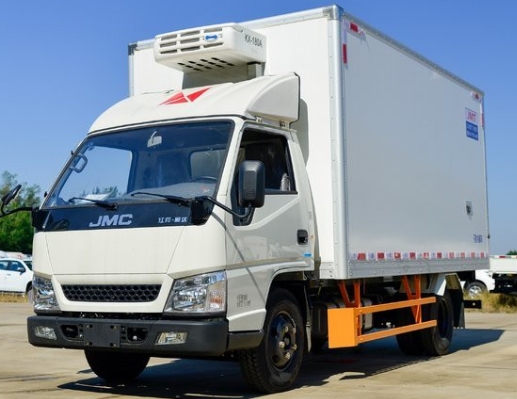
- Cargo box truck
- Chassis-cab configuration
Trim levels were limited, with most buyers selecting vehicles based on body style and payload capacity rather than luxury equipment.
Second Generation (2004–2010)
In 2004, JMC introduced the second-generation Shunda. Although the basic architecture remained similar, the vehicle received significant improvements.
Changes included:
- Redesigned front fascia
- Strengthened ladder frame
- Improved aerodynamics
- Enhanced visibility
- Better ride quality
- Updated dashboard and controls
This generation also began introducing optional comfort features that had previously been uncommon in entry-level Chinese commercial trucks. Higher-specification versions could be equipped with air conditioning and hydraulic power steering.
Available Models and Trim Levels
The second-generation lineup expanded to include:
- Standard single-cab flatbed
- Double-cab flatbed
- Cargo box truck
- Chassis-cab
- Refrigerated transport variants
Common trim designations varied by market, but buyers could typically choose:
- Base commercial specification
- Standard trim
- Comfort trim with air conditioning and power steering
These additions helped the Shunda compete more effectively against rival Chinese light trucks.
Third Generation (2010–2016)
The third-generation Shunda arrived in 2010 with a more comprehensive redesign.
Major updates included:
- Wider cab design
- Improved interior space
- Enhanced noise insulation
- Updated front-end styling
- Better emissions compliance
- Improved safety features
One of the most significant changes was the adoption of Ford-derived Duratorq diesel engines, reflecting JMC’s growing technical cooperation with Ford. These engines improved fuel economy, performance, and emissions compared with earlier powerplants.
The wider cabin significantly improved driver comfort, making the truck more suitable for long working days.
Available Models
The third-generation range included:
- Single-cab flatbed
- Double-cab flatbed
- Cargo van body
- Box truck
- Specialized municipal and utility variants
Body configurations could be paired with various wheelbase lengths and payload ratings depending on customer requirements.
Typical Trim Levels
Depending on market and year, available trim levels generally consisted of:
- Base
- Standard
- Deluxe
- Fleet specification
Equipment levels focused primarily on commercial functionality rather than luxury features.
Fourth Generation (2016–2025)
The fourth-generation Shunda debuted in 2016 and represented the most substantial modernization in the model’s history up to that point.
Improvements included:
- Completely redesigned front fascia
- Stronger safety structure
- Updated interior materials
- Enhanced driver ergonomics
- New diesel engine updates
- Improved fuel efficiency
JMC continued refining the model through multiple facelifts and equipment upgrades. During this period, the Shunda became one of the company’s most widely sold light trucks in domestic and export markets.
Available Models
The fourth-generation range expanded significantly and included:
- Single-cab flatbed
- Double-cab flatbed
- Stake-bed truck
- Box truck
- Cargo van conversion
- Chassis-cab
- Specialized logistics configurations
Customers could choose different wheelbases, body lengths, and payload capacities.
Trim Levels
Common trim offerings included:
- Basic Commercial
- Standard
- Comfort
- Premium Fleet
Equipment options varied depending on market, with higher trims offering improved seating, air conditioning, multimedia systems, and enhanced convenience features.
E-Shunda: The Electric Era (2024–Present)
As commercial transportation began transitioning toward electrification, JMC introduced the E-Shunda electric truck family.
The E-Shunda was developed specifically for:
- Urban logistics
- Last-mile delivery
- Municipal fleet operations
- Low-emission transportation zones
The electric models feature battery-electric drivetrains designed to reduce operating costs and emissions while maintaining the utility expected from the Shunda platform. JMC officially launched the E-Shunda alongside the E-Fushun electric commercial vehicle lineup.
E-Shunda Models
Available variants include:
- Electric cargo truck
- Electric chassis-cab
- Electric logistics truck
- Urban delivery configurations
Battery and range specifications vary according to application and market requirements.
Fifth Generation: The New Shunda (2025–Present)
In 2025, JMC unveiled the all-new fifth-generation Shunda.
Unlike previous updates, this generation was designed around a dual-energy strategy, offering both conventional diesel and fully electric versions from the outset. JMC describes this approach as meeting the needs of both traditional commercial operators and businesses transitioning toward electrification.
Key improvements include:
- Modernized exterior styling
- Improved aerodynamics
- Redesigned cabin
- Enhanced driver comfort
- Updated safety systems
- Expanded electric vehicle integration
Although full specifications continue to emerge, the new Shunda represents the most technologically advanced version of the truck to date.
Relationship to Other JMC Trucks
Within JMC’s commercial vehicle lineup, the Shunda occupies the entry-level position.
The hierarchy generally consists of:
- Shunda – entry-level light truck
- Kaiyun – mid-range light truck
- Kairui – heavier-duty commercial truck
Many components and technologies are shared across these product lines, helping reduce manufacturing and service costs.
Future Outlook
The future of the JMC Shunda appears secure as demand for light commercial vehicles continues to grow throughout Asia, South America, Africa, and other developing markets. The introduction of the E-Shunda and the dual-energy fifth-generation model demonstrates JMC’s commitment to balancing traditional diesel technology with electric mobility solutions.
Future developments are likely to include:
- Greater battery-electric adoption
- Improved driving range
- Enhanced safety technologies
- Connected fleet-management systems
- Additional body configurations
- Expanded export market presence
Since its introduction in 1997, the JMC Shunda has evolved from a simple diesel-powered light truck into a modern commercial vehicle family that includes both diesel and electric models. Through five generations, the truck has consistently focused on affordability, reliability, and practicality. Its combination of proven durability, expanding model range, and growing electrification strategy ensures that the JMC Shunda will likely remain a significant player in the global light commercial vehicle market for years to come.