The Evolution of the Trumpchi M8: China’s Flagship Luxury MPV
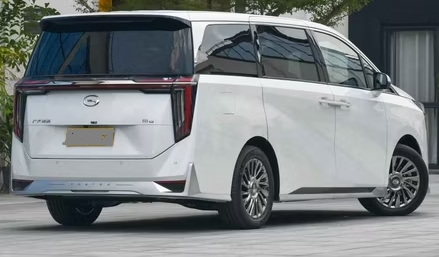
The Trumpchi M8 is one of the most successful and influential luxury MPVs produced by GAC Motor under its Trumpchi brand. Originally launched as the GM8 in the late 2010s, the model evolved into the M8 nameplate as it matured into a flagship people carrier. Over multiple generations, the M8 has grown from a conventional gasoline-powered minivan into a technologically advanced, hybrid-equipped luxury MPV with premium seating configurations, intelligent driving systems, and executive-class comfort features.
Since its debut, the M8 has become a cornerstone of China’s upscale MPV segment, competing directly with models such as the Buick GL8 and Toyota Alphard while offering strong value and rapidly improving technology.
Origins and First Generation (GM8 Era, 2017–2020)
The Trumpchi M8 originated as the Trumpchi GM8, first unveiled at the Guangzhou Auto Show in 2017 and officially launched in China in early 2018. This marked GAC’s first major entry into the full-size MPV segment.
At launch, the GM8 was the largest passenger vehicle GAC had produced, positioning itself as a premium seven-seat family and executive shuttle vehicle. It was designed in a 2-2-3 seating layout, with a focus on second-row captain’s chairs for comfort.
Early Production Years
- 2017–2020 (GM8)
- Market launch: 2018 model year
First-Generation Powertrain
All early GM8 models used a single engine:
- 2.0-liter turbocharged inline-four gasoline engine
- Approximately 252 horsepower and 390 Nm of torque
- 6-speed dual-clutch transmission (later updated)
This generation focused on:
- spacious interior packaging
- comfort-oriented suspension
- premium styling inspired by global luxury MPVs
- strong second-row seating experience
Transition to M8 and Facelift (2020–2022)
In 2020, GAC introduced a significant facelift and rebranding. The GM8 name was simplified to Trumpchi M8, marking the beginning of its second lifecycle phase.
This update was more than cosmetic—it represented a shift toward higher-end positioning and more advanced technology.
.

.
Key Changes in the 2020 Facelift
- Renamed from GM8 to M8
- Revised exterior styling with a larger grille and more luxury-oriented front fascia
- Updated interior layout with improved infotainment and digital controls
- Transmission upgraded to an 8-speed automatic (Aisin)
- Refined chassis tuning for smoother ride quality
Trim Structure (Approximate Range, 2020 Model Year)
By this period, the M8 lineup expanded to about nine trim levels, including:
- Standard / Comfort
- Premium / Luxury
- Master Edition variants
- Executive-focused configurations
These trims mainly differed in:
- seating configuration (7-seat vs extended luxury layouts)
- interior materials (cloth, leather, semi-aniline leather)
- infotainment size and features
- driver assistance systems
Master Edition Expansion (2020–2022)
One of the most important developments in this phase was the introduction of the M8 Master Edition. This version was longer and more luxurious, with an emphasis on executive transport.
Key characteristics included:
- Extended rear body length
- More premium second-row seating
- Enhanced exterior chrome detailing
- Greater emphasis on chauffeured luxury use
This expansion helped the M8 compete more directly with premium Japanese and European MPVs.
Second Generation Evolution (2022–Present)
A major generational upgrade occurred starting in 2022, when the M8 entered its second generation.
This iteration introduced a more modern platform and significantly upgraded technology, pushing the M8 into the premium hybrid MPV segment.
Production Years (Second Generation)
- 2022–present
Powertrain Evolution (Hybrid Era Introduction)
The second generation brought multiple powertrain options, including gasoline and hybrid systems.
Gasoline Version
- 2.0-liter turbocharged engine
- Output: around 248–252 horsepower
- Torque: approximately 400 Nm
- Transmission: 8-speed automatic (Aisin)
Hybrid Versions (PHEV and HEV Variants)
Later models introduced electrified systems:
- 2.0-liter turbo engine + electric motor(s)
- Plug-in hybrid configurations in select markets
- Emphasis on fuel efficiency and long driving range
These hybrid versions significantly improved:
- fuel economy
- low-speed electric driving capability
- urban efficiency
Trim Levels in the Modern M8 Lineup (2022–2026)
The modern M8 family is more complex and technology-focused than earlier generations. Trim levels vary by market, but generally include:
Core Trims
- Standard / Comfort Edition
- Luxury Edition
- Premium Edition
Master / Flagship Trims
- Master Edition
- Master Executive Edition
- Flagship Luxury Edition
Hybrid-Specific Trims
- Hybrid Comfort
- Hybrid Premium
- Plug-in Hybrid Flagship
High-Tech “Smart” Variants (Recent Models)
- Qiankun Intelligent Driving Edition
- LiDAR-equipped Flagship Edition
- Executive Intelligent Luxury Edition
These newer trims focus heavily on:
- autonomous driving systems
- AI-assisted cockpit functions
- luxury rear-seat experience
Interior and Technology Evolution
The M8’s interior has undergone some of the most dramatic improvements in its class.
Early Generation Interior
- Basic infotainment screen
- Analog-heavy instrument cluster
- Traditional luxury MPV layout
Modern Generation Interior
- Large central touchscreen (up to 14.6 inches)
- Fully digital instrument cluster
- Advanced voice assistant systems
- Wireless connectivity and OTA updates
Luxury Features in Higher Trims
- Ventilated, heated, and massaging rear seats
- Rear entertainment systems
- Ambient lighting with customizable colors
- Premium audio systems
- Extended legroom second-row seating
The M8’s second-row seating has become one of its defining strengths, often described as “first-class airline seating” in automotive reviews.
Safety and Driver Assistance
Over time, the M8 evolved from a basic safety-equipped MPV into a semi-autonomous vehicle.
Modern features include:
- Adaptive cruise control
- Lane keeping assist
- Blind-spot monitoring
- Autonomous emergency braking
- 360-degree surround camera systems
- Level 2 driver assistance in newer trims
Some of the newest versions integrate LiDAR-based systems and advanced AI-assisted driving capabilities, reflecting China’s rapid adoption of smart driving technologies.
Market Position and Reception
The Trumpchi M8 has consistently ranked among China’s best-selling domestic luxury MPVs. It is widely seen as:
- A strong alternative to the Buick GL8
- A lower-cost competitor to the Toyota Alphard
- A technologically advanced domestic flagship MPV
The model’s success is driven by:
- strong value-for-money pricing
- rapid improvement in build quality
- advanced features at lower cost than rivals
- strong demand for executive MPVs in China
Future Outlook
The future of the Trumpchi M8 is closely tied to electrification and intelligent driving.
Expected future developments include:
- Expanded plug-in hybrid and extended-range EV versions
- Higher-capacity battery systems
- More advanced autonomous driving (Level 3 capability in development cycles)
- Increased use of LiDAR and AI cockpit integration
- Potential fully electric MPV variant
GAC is also likely to further refine the M8’s role as a premium executive shuttle, targeting both private buyers and corporate fleet customers.
The Trumpchi M8 has evolved from a conventional gasoline-powered MPV into a technologically advanced, hybrid-ready luxury people carrier. Since its debut in 2017 as the GM8, it has undergone multiple transformations—renaming, facelifts, generational upgrades, and major technological improvements.
Today, the M8 stands as one of China’s most important luxury MPVs, combining executive comfort, modern hybrid powertrains, and increasingly sophisticated intelligent driving systems. Its evolution reflects the broader transformation of China’s automotive industry from traditional manufacturing toward electrified, software-driven mobility platforms.