Fukang ES500: The Evolution of Dongfeng Fukang’s First Modern Electric Sedan
The Fukang ES500 is an all-electric compact sedan produced by Dongfeng Peugeot Citroën Automobile (DPCA) under the revived Fukang brand. Introduced for the 2019 model year, the ES500 marked the return of the historic Fukang name, which had originally been associated with the Citroën Fukang produced from 1992 to 2009. Unlike its gasoline-powered predecessor, the ES500 was developed specifically as a battery-electric vehicle (BEV) aimed primarily at commercial fleets, taxi companies, ride-hailing operators, and government agencies.
Based on the Dongfeng Fengshen A60 sedan, the ES500 combined a proven gasoline-derived platform with an electric drivetrain. Although it received only modest updates during its production life, it helped establish the revived Fukang brand as an affordable supplier of electric fleet vehicles in China’s rapidly expanding new-energy vehicle market. The ES500 also paved the way for later Fukang models such as the ES600.
Background
The original Fukang was one of China’s first successful joint-venture passenger cars, based on the Citroën ZX. After the original model ended production in 2009, the Fukang name remained dormant until 2018, when Dongfeng Peugeot Citroën announced its revival as a dedicated electric vehicle brand. Rather than serving the traditional retail market, the new Fukang lineup was intended to provide practical, low-cost electric transportation for commercial operators and institutional customers.
The ES500 became the first model introduced under this strategy. By adapting the existing Dongfeng Fengshen A60 platform, engineers were able to reduce development costs while offering buyers a spacious and familiar compact sedan with electric propulsion.
.
You’ve got that cool car, but is it resting in its own cool place?
It’s visually pleasing for the surrounding areas outside of your home to look as awesome as what’s stored inside your garage! If you desire a truly inspirational environment for your landscape, you should check into these easy plans! You’ll happy with the end results!

.
Production History
Production of the Fukang ES500 began in 2019 at Dongfeng Peugeot Citroën’s manufacturing facilities in China. The sedan entered the market during a period of rapid growth for China’s electric vehicle industry, supported by government incentives and increasing demand for zero-emission fleet vehicles.
The ES500 has remained in production through at least 2021, with later availability varying by fleet orders and regional demand. While it has gradually been supplemented by newer Fukang models, including the ES600, the ES500 continues to represent the foundation of the revived Fukang brand.
2019 Model Year
The 2019 model year marked the official launch of the ES500.
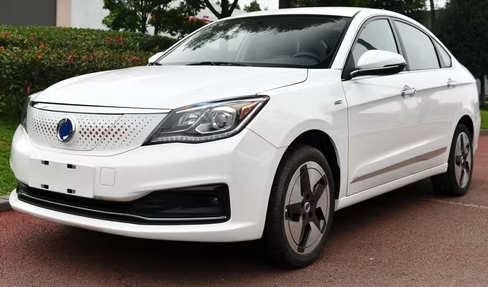
The sedan featured conventional four-door styling based on the Fengshen A60 but incorporated several exterior changes that distinguished it as an electric vehicle. These included a closed front grille, revised front fascia, blue exterior accents, and unique Fukang badging.
For 2019, the ES500 was offered in three documented trim levels:
- RuiDong
- RuiXiang
- RuiZun
Later in the model year, Dongfeng introduced revised versions of each trim:
- RuiDong (Updated)
- RuiXiang (Updated)
- RuiZun (Updated)
The revisions focused primarily on equipment improvements and software updates rather than significant mechanical changes.
Standard equipment generally included:
- Automatic climate control
- Power windows
- Power door locks
- Remote keyless entry
- Multi-function steering wheel
- Digital instrument display
- Touchscreen infotainment system
- Bluetooth connectivity
- USB ports
- Rear parking sensors
Higher trim levels added features such as:
- Leather upholstery
- Larger infotainment display
- Rearview camera
- Alloy wheels
- Improved interior trim
- Additional convenience features
2021 Model Year
For the 2021 model year, Dongfeng simplified the ES500 lineup.
The only officially documented trim was:
- Standard Tax-Exempt Edition
This version was designed primarily for commercial and institutional buyers eligible for tax incentives available to qualifying electric vehicles.
The simplified lineup reflected the ES500’s increasing focus on fleet sales rather than private consumers. Mechanical specifications remained largely unchanged, with improvements limited to software calibration and equipment packaging.
Powertrain
Throughout its production, the ES500 used a single front-mounted permanent magnet synchronous electric motor.
Key specifications included:
- Maximum output: 120 horsepower (90 kW)
- Front-wheel drive
- Single-speed automatic transmission
Electric power was supplied by a ternary lithium battery pack.
Performance figures included:
- Driving range of approximately 218 miles (351 kilometers) under the NEDC testing standard
- Top speed of approximately 93 mph (150 km/h)
The ES500 supported both AC charging and DC fast charging, making it suitable for daily commercial operation with relatively short charging times compared with earlier electric sedans.
Design
Although based on the Dongfeng Fengshen A60, the ES500 featured numerous visual changes that identified it as a member of the Fukang electric vehicle family.
Exterior highlights included:
- Closed front grille
- Aerodynamic front bumper
- LED daytime running lights
- Blue accent trim
- Unique alloy wheel designs
- Fukang badging
The sedan’s dimensions placed it firmly within the compact sedan class while providing generous passenger and cargo space for taxi and ride-hailing use.
The interior emphasized durability over luxury, with controls designed for ease of use during extended daily operation.
Models and Trim Levels
During its production history, the officially documented ES500 models and trim levels consisted of:
2019
- RuiDong
- RuiXiang
- RuiZun
- RuiDong (Updated)
- RuiXiang (Updated)
- RuiZun (Updated)
2021
- Standard Tax-Exempt Edition
Unlike many retail passenger vehicles, these trim levels emphasized equipment differences rather than major mechanical changes. Most commercial buyers selected configurations based on operating requirements instead of luxury features.
Market Position
The ES500 was developed specifically for China’s rapidly expanding electric fleet market.
Typical customers included:
- Taxi operators
- Ride-hailing companies
- Government agencies
- Corporate vehicle fleets
- Vehicle leasing companies
Its principal competitors included electric compact sedans produced by BYD, BAIC, Geely, and other domestic manufacturers.
Rather than emphasizing sporty performance or premium appointments, the ES500 focused on affordability, low operating costs, and dependable day-to-day transportation.
Reliability and Ownership
Because the ES500 utilized an established sedan platform, many components had already proven reliable in gasoline-powered applications before being adapted for electric use.
Owners and fleet operators appreciated the vehicle for:
- Low operating costs
- Simple maintenance
- Quiet operation
- Comfortable ride
- Spacious interior
- Competitive driving range
The relatively simple electric drivetrain also reduced routine maintenance compared with conventional internal-combustion vehicles.
Legacy
Although never produced in the large numbers achieved by the original Citroën Fukang, the ES500 played an important role in reestablishing the Fukang name within China’s automotive market. It demonstrated Dongfeng Peugeot Citroën’s commitment to electrification while providing an affordable solution for commercial transportation.
The experience gained from the ES500 directly influenced later electric Fukang models, particularly the ES600, which offered greater range and newer technology.
Future Outlook
As China’s electric vehicle market continues to evolve, the ES500 has gradually been overshadowed by newer models offering longer driving ranges, faster charging, and more advanced connectivity. Nevertheless, it remains a significant milestone as the first modern vehicle sold under the revived Fukang brand.
While large-scale future development of the ES500 itself appears unlikely, the model’s contribution to Dongfeng Peugeot Citroën’s electrification strategy remains important. The lessons learned from its development and commercial deployment have helped shape later Fukang electric vehicles, ensuring that the historic Fukang name continues into the era of battery-electric transportation.