JAC JS6: The Evolution of JAC Motors’ Modern Compact SUV
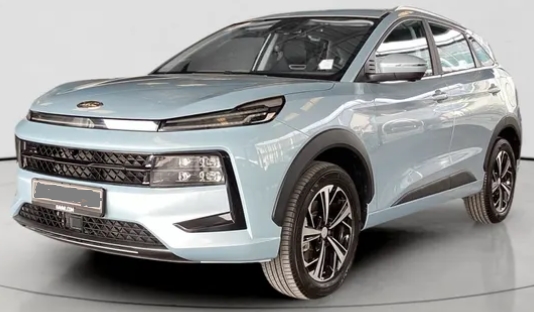
The JAC JS6 has become one of the most important passenger vehicles in JAC Motors’ global lineup. Combining contemporary styling, advanced technology, competitive pricing, and practical utility, the JS6 represents the Chinese automaker’s effort to compete in the highly competitive compact crossover SUV segment. Since its introduction in the early 2020s, the model has helped elevate JAC’s reputation in international markets by offering features and design elements typically associated with more expensive competitors.
Known in some markets as the Sehol QX before being integrated into JAC’s global naming strategy, the JS6 has undergone continuous refinement since its launch. Although still a relatively young model, the JS6 demonstrates how rapidly JAC has evolved from producing value-oriented vehicles to developing modern SUVs capable of competing on a global stage.
Origins of the JS6
The origins of the JS6 can be traced to JAC’s broader modernization program during the late 2010s. Seeking to strengthen its presence in the crossover market, JAC developed a new generation of SUVs featuring updated platforms, improved powertrains, and significantly more advanced technology.
The vehicle first appeared in China in 2021 as the Sehol QX. At the time, Sehol was a passenger-car brand operated by JAC as part of its cooperation with Volkswagen Group. The QX was positioned as a compact crossover SUV designed to appeal to younger buyers seeking a stylish, technology-focused vehicle.
Built on JAC’s modular passenger-car architecture, the QX emphasized modern design, digital connectivity, and safety features while maintaining affordability. The vehicle quickly became one of the company’s most important SUV offerings.
As JAC streamlined its global branding strategy, the Sehol QX was renamed the JAC JS6 for export markets. The new name aligned the vehicle with other members of the company’s JS family of crossover SUVs, including the JS2, JS3, JS4, and JS8 Pro.
.
NO MORE dead batteries with this:

.
Production Years
Sehol QX
2021–2023
The original Sehol QX entered production in China during 2021. This version established the design, engineering, and technology foundation for the future JS6.
JAC JS6
2022–Present (Export Markets)
The JS6 began appearing in global markets during 2022 and remains in production today. While the basic vehicle remains closely related to the original QX, periodic updates have improved technology, safety equipment, and overall refinement.
Design Evolution
One of the defining characteristics of the JS6 is its distinctive design language.
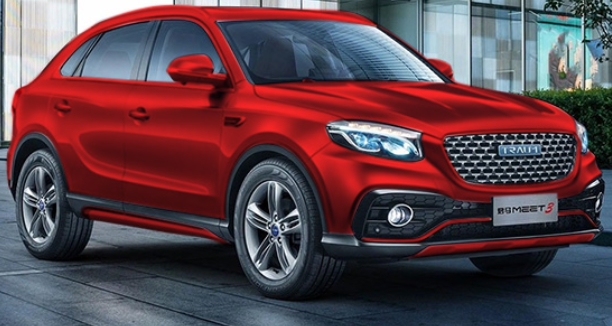
When the QX debuted in 2021, it introduced a bold appearance that differed significantly from previous JAC SUVs. The front end featured a large grille, slim LED daytime running lights, and a split-headlight arrangement. Sharp body lines and a coupe-inspired profile gave the vehicle a modern appearance.
The side profile emphasized athletic proportions, while the rear featured a full-width LED light bar that became a signature styling element.
As the vehicle transitioned into the JS6, JAC made relatively few exterior changes. Instead, the company focused on refining details and expanding available equipment. Updated wheel designs, additional exterior colors, and market-specific trim enhancements helped keep the vehicle competitive.
Today’s JS6 remains visually similar to the original design, demonstrating the strength and longevity of its styling.
Powertrain Development
Throughout its production history, the JS6 has primarily utilized turbocharged gasoline engines.
1.5-Liter Turbocharged Engine
The most common engine offered has been a turbocharged 1.5-liter four-cylinder gasoline unit producing approximately 181 horsepower and 221 pound-feet of torque.
This engine is typically paired with a six-speed dual-clutch automatic transmission that drives the front wheels.
The combination provides a balance between fuel efficiency and performance, allowing the JS6 to compete effectively against similarly sized crossover SUVs.
Transmission Improvements
Although the engine has remained largely unchanged, JAC has periodically updated transmission calibration and electronic controls to improve drivability, shift quality, and fuel economy.
These refinements have contributed to a smoother driving experience and better overall vehicle responsiveness.
Interior Development
The JS6 introduced a major leap forward in cabin design for JAC.
Early models featured:
- Dual digital displays
- Minimalist dashboard design
- Soft-touch materials
- Large touchscreen infotainment system
- Wireless smartphone connectivity
The cabin design emphasized technology and simplicity while offering a more premium appearance than previous JAC SUVs.
Subsequent updates improved software functionality, voice-control systems, connectivity features, and user-interface design.
The spacious interior also became a major selling point. Despite competing in the compact SUV segment, the JS6 offers generous rear-seat legroom and cargo capacity, making it practical for families and daily commuting.
Trim Levels Through the Years
Because the JS6 is sold in numerous countries, trim names vary considerably. However, the following represents the most common trim structure offered throughout its production history.
2021–2022 Sehol QX
Comfort
- Cloth upholstery
- Touchscreen infotainment
- Rearview camera
- LED lighting
Luxury
- Synthetic leather seating
- Larger display screens
- Additional comfort features
- Enhanced interior trim
Flagship
- Advanced safety systems
- Premium interior appointments
- Expanded technology package
2022–2023 JAC JS6
Comfort
- Entry-level export model
- LED headlights
- Infotainment touchscreen
- Rear parking sensors
Luxury
- Panoramic sunroof
- Leather-trimmed interior
- Larger wheels
- Enhanced multimedia features
Flagship
- Digital instrument cluster
- 360-degree camera
- Adaptive cruise control
- Additional driver-assistance systems
2024–Present JAC JS6
Comfort
- Updated connectivity features
- Improved safety equipment
- Standard digital displays
Luxury
- Panoramic roof
- Wireless charging
- Enhanced interior materials
Flagship
- Full advanced driver-assistance suite
- Premium infotainment package
- Expanded comfort features
Some export markets also use trim names such as Elite, Premium, Intelligent, Ultimate, or Executive. Equipment content may vary by country due to local regulations and distributor preferences.
Technology and Safety Advancements
Technology has been one of the JS6’s strongest selling points since launch.
Current models commonly include:
- Dual 12.3-inch digital displays
- Wireless Apple CarPlay and Android Auto compatibility
- Voice recognition systems
- Wireless charging
- Over-the-air software updates
- 360-degree camera systems
- Keyless entry and push-button start
Safety equipment has also improved significantly.
Depending on trim level and market, available features include:
- Adaptive cruise control
- Automatic emergency braking
- Forward collision warning
- Lane departure warning
- Lane-keeping assistance
- Blind-spot monitoring
- Rear cross-traffic alert
- Traffic sign recognition
These features help position the JS6 competitively against established Japanese, Korean, and European rivals.
Global Expansion
Since its introduction, the JS6 has expanded into numerous international markets.
Regions where the model has been sold include:
- Latin America
- South America
- Mexico
- Middle East markets
- Southeast Asia
- South Africa
- Eastern Europe
The SUV has proven particularly successful in countries where consumers seek modern technology and attractive styling at a more affordable price than traditional mainstream brands.
Its combination of value, equipment, and design has made it one of JAC’s most recognizable passenger vehicles outside China.
Market Position
The JS6 competes within the highly competitive compact crossover SUV segment.
Depending on the market, competitors may include:
- Toyota Corolla Cross
- Hyundai Tucson
- Kia Sportage
- Nissan Qashqai
- MG HS
- Chery Tiggo 7 Pro
While many competitors benefit from stronger brand recognition, the JS6 often attracts buyers through its extensive equipment list and competitive pricing.
Future Outlook
The future of the JS6 appears closely tied to JAC’s broader electrification and technology strategies.
Industry trends suggest future updates may include:
- Hybrid powertrain options
- Plug-in hybrid variants
- Enhanced autonomous-driving features
- Larger infotainment displays
- More advanced connectivity systems
- Improved fuel efficiency
Given the growing popularity of electrified vehicles, it would not be surprising to see future generations of the JS6 adopt hybrid or fully electric technology derived from JAC’s expanding electric vehicle portfolio.
Additionally, JAC is likely to continue refining safety systems and digital features as customer expectations continue to evolve.
The JAC JS6 represents a significant milestone in the evolution of JAC Motors’ passenger vehicle lineup. Originating as the Sehol QX in 2021 and evolving into a globally marketed crossover SUV, the JS6 has successfully combined attractive styling, modern technology, practical utility, and competitive pricing.
Although still early in its lifecycle, the model has already established itself as one of JAC’s most important international products. Through continual refinement, expanded technology, and growing global availability, the JS6 demonstrates the company’s ambition to compete with established automakers in the compact SUV segment. As JAC continues investing in innovation and electrification, the JS6 is expected to remain a key component of the brand’s global strategy for years to come.