JAC Refine M4: Evolution of a Practical Chinese MPV From Workhorse Utility to Modern People Carrier
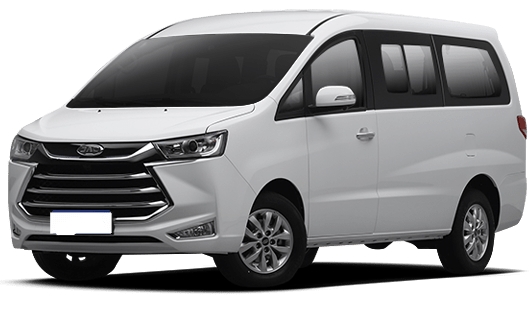
The JAC Refine M4 is a compact multi-purpose vehicle (MPV) produced by JAC Motors as part of its Refine family of people carriers. Designed primarily for commercial operators and large families, the Refine M4 emphasizes practicality, seating flexibility, and low operating costs. It occupies a key position in JAC’s MPV lineup, sitting above basic microvans and below more premium executive models such as the Refine M5.
Produced from approximately 2013 through 2020, the Refine M4 became one of JAC’s most recognizable MPVs in both domestic and export markets. Over its lifecycle, it underwent incremental updates in styling, technology, and safety equipment, while maintaining its core mechanical simplicity and utility-focused design.
Origins of the JAC Refine M4
The Refine M4 was developed during a period when China’s automotive market was rapidly shifting from basic commercial vans to more refined passenger-oriented MPVs. JAC Motors had already established the Refine nameplate through earlier models influenced by the Hyundai Starex, and the M4 was introduced as a smaller, more affordable alternative to the larger Refine M5.
The M4 was designed to serve a dual purpose:
- Commercial transport (taxis, shuttle services, small logistics fleets)
- Private family transportation for large households
Its combination of sliding rear doors, flexible seating, and low cost of ownership made it especially popular in smaller cities and rural regions.
.
NO MORE dead batteries with this:

.
Launch and First Production Models (2013–2015)
The Refine M4 entered production around 2013, debuting as a straightforward MPV focused on practicality and durability.
Body and Platform
- Five-door MPV layout
- Front-engine, rear-wheel drive configuration
- Sliding side doors for rear passengers
- Seating for seven to nine occupants depending on configuration
The rear-wheel-drive layout was especially important for load-carrying capability and durability in commercial use.
Early Engine Lineup
At launch, the Refine M4 was offered with simple gasoline engines designed for reliability and low maintenance costs.
Common early engines included:
- 1.5-liter naturally aspirated inline-four gasoline engine
- 1.8-liter naturally aspirated inline-four gasoline engine
These engines prioritized torque delivery and fuel economy rather than performance.
Transmission options included:
- Five-speed manual transmission (standard across most trims)
- Limited automatic availability in select configurations and markets
Early Trim Levels (2013–2015)
Trim structures in the early years were relatively simple and often varied slightly by region. Commonly documented trims included:
- Standard
- Comfort
- Luxury
- Commercial Edition (cargo-focused or stripped interior variant)
Equipment progression:
- Standard: basic cloth seats, manual air conditioning, steel wheels
- Comfort: power windows, upgraded seating materials, improved interior trim
- Luxury: alloy wheels, rear air conditioning vents, infotainment upgrades
- Commercial Edition: simplified interior for maximum cargo or shuttle use
The emphasis remained strongly on affordability and practicality.
Mid-Cycle Improvements (2016–2018)
As competition intensified in China’s MPV segment, the Refine M4 received gradual upgrades to maintain market relevance.
Exterior Updates
- Revised front grille design
- Updated headlamp styling
- Redesigned bumpers
- Minor aerodynamic improvements
Interior Enhancements
- Improved dashboard layout
- Larger infotainment screens on higher trims
- Enhanced seat materials
- Better cabin insulation for reduced noise
These changes helped modernize the vehicle without requiring a full redesign.
Expanded Trim Structure (2016–2018)
During this phase, the M4 lineup expanded to include more differentiated configurations:
- Standard
- Comfort
- Luxury
- Elite
- Business Edition
The Business Edition became particularly important for fleet operators, offering a balance of comfort and durability for commercial passenger transport.
Engine Refinements
While the core engine lineup remained largely unchanged, JAC introduced refinements to improve efficiency and emissions compliance.
Updated versions of the existing engines included:
- Improved 1.5-liter gasoline engine with better fuel economy
- Updated 1.8-liter gasoline engine with smoother power delivery
Some regional variants reportedly received minor tuning updates, but no major new engine families were introduced during this period.
Late-Stage Development (2019–2020)
By the late 2010s, the Refine M4 was nearing the end of its lifecycle, but JAC continued to update it to remain competitive in lower-cost MPV markets.
Technology Improvements
- Touchscreen infotainment systems in mid and upper trims
- Bluetooth connectivity added across most versions
- Rearview camera availability expanded
- USB charging ports added for rear passengers
Safety Upgrades
- Anti-lock braking system (ABS) standardized
- Electronic brake-force distribution (EBD) added
- Rear parking sensors became more widely available
- Dual front airbags introduced in higher trims
These upgrades helped align the M4 with evolving safety expectations in China.
Final Trim Lineup (2019–2020)
In its final production phase, the Refine M4 was generally offered in the following trims:
- Standard
- Comfort
- Luxury
- Elite
- Business Edition
- Premium Business Edition
Trim hierarchy overview:
- Standard: basic transport-focused configuration
- Comfort: improved convenience features and interior materials
- Luxury: infotainment and styling upgrades
- Elite: near-top specification with enhanced comfort
- Business Edition: fleet-focused configuration for passenger transport
- Premium Business Edition: highest-spec variant with added comfort and technology features
Interior and Practical Design
The Refine M4’s interior was designed around maximum utility and flexibility.
Key features included:
- Seven- to nine-seat configurations depending on version
- Sliding rear doors for easy access in tight spaces
- Folding and removable rear seating layouts
- Large cargo capacity in utility configurations
- Simple, durable interior materials designed for heavy use
Second- and third-row seating was optimized for passenger transport services such as hotels, airports, and corporate shuttles.
Market Position and Competition
The Refine M4 competed in one of China’s most competitive automotive segments: affordable MPVs.
Key rivals included:
- Wuling Hongguang
- Changan Honor
- Dongfeng Fengxing Lingzhi
- Foton Gratour series
Compared with competitors, the M4 emphasized:
- Rear-wheel drive durability
- Flexible seating layouts
- Low cost of ownership
- Strong fleet usability
However, it lagged behind newer competitors in infotainment technology and engine efficiency toward the end of its production life.
Export Markets
The Refine M4 was also exported to select international markets, particularly in developing regions where affordable MPVs were in demand.
Export versions typically featured:
- Simplified trim structures
- Basic safety equipment packages
- Region-specific engine calibrations
- Branding variations depending on distributor
While not a global bestseller, it contributed to JAC’s growing international presence in commercial vehicle segments.
End of Production
Production of the Refine M4 gradually ended around 2020 as JAC shifted focus toward newer MPVs and SUVs. Several factors influenced this decision:
- Increasing consumer preference for SUVs and crossovers
- Demand for turbocharged and electrified powertrains
- Rising expectations for digital connectivity and safety systems
- Stricter emissions regulations
The M4 was effectively replaced by newer Refine-branded vehicles offering more modern platforms and technology.
Future Outlook
While the Refine M4 itself is no longer in production, its influence remains visible in JAC’s current MPV lineup. Modern successors emphasize:
- Hybrid and electric drivetrains
- Advanced driver-assistance systems
- Fully digital instrument clusters
- Improved crash safety structures
- More premium interior materials
These advancements reflect how far the MPV segment has evolved since the M4’s introduction.
Legacy
The JAC Refine M4 remains an important model in JAC Motors’ history. It provided affordable and practical transportation for millions of users and helped strengthen the Refine brand during a crucial period of growth.
Although it was never a luxury vehicle, its strengths—durability, simplicity, and versatility—made it a dependable choice for both commercial fleets and families.
The Refine M4 ultimately represents a transitional generation in Chinese automotive history: a vehicle that bridged basic utility vans and the modern, technology-driven MPVs that followed.