Kaiyi X3: The Evolution of an Affordable Compact Crossover
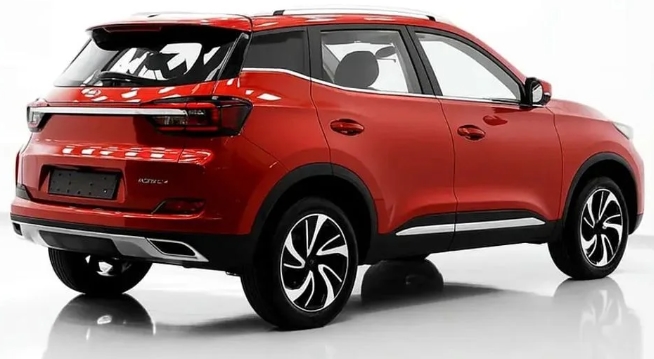
The Kaiyi X3 is a compact crossover SUV that reflects the transformation of Kaiyi Auto (formerly Cowin Auto) from a budget-focused domestic brand into a more globally oriented manufacturer. Since its debut in the mid-2010s, the X3 has undergone multiple updates, facelifts, and powertrain changes, evolving from a derivative of older Chery platforms into a modernized entry-level SUV with international reach.
This article explores the full evolution of the Kaiyi X3, including its production timeline, trim levels, configurations, and its role in the global compact SUV market.
Origins: From Concept to Production (2014–2016)
The story of the Kaiyi X3 begins with the Cowin i-CX concept, unveiled in 2014 at the Chengdu Auto Show. The concept previewed a new affordable crossover aimed at younger buyers and first-time car owners.
Production of the X3 began in April 2016, with sales launching in China by June 2016.
Production Years (First Phase)
- 2016–2022 (as Cowin X3 / early Kaiyi X3)
The X3 was built on the platform of the Chery Tiggo 3, allowing Kaiyi to reduce development costs while offering proven mechanical reliability.
.
THIS is GOOD stuff if your car is in need:

.
First Generation: Cowin X3 Era (2016–2019)
Design and Positioning
The early X3 was a subcompact crossover SUV featuring:
- A 5-door body style
- Front-engine, front-wheel-drive layout
- Practical dimensions suited for urban use
Powertrain
At launch, the X3 featured:
- 1.6L inline-4 gasoline engine (~125 hp)
- 5-speed manual transmission (standard)
- Optional CVT automatic
Trim Levels (Typical Structure)
Although naming varied by market, the early X3 was offered in:
- Base / Standard
- Comfort
- Luxury / Flagship
These trims differed primarily in:
- Interior materials
- Infotainment systems
- Safety equipment
Key Characteristics
- Rear-mounted spare tire (a design cue from the Tiggo 3)
- Simple interior layout
- Focus on affordability and durability
Facelift and Powertrain Update (2019–2021)
In 2019, the X3 underwent its first significant update.
Major Changes
- Replacement of the 1.6L engine with a 1.5L naturally aspirated engine (~113 hp)
- Improved fuel efficiency
- Updated emissions compliance
By 2021, an additional upgrade introduced:
- 1.5L turbocharged engine (~156 hp)
Transmission Options
- 5-speed manual
- Continuously variable transmission (CVT)
Updated Trim Levels
The facelifted X3 expanded its trim lineup in some markets:
- Standard
- Comfort
- Deluxe
- Flagship / Premium
These trims added:
- Larger infotainment displays
- Smartphone connectivity
- Improved safety features
Brand Transition: From Cowin to Kaiyi (2019–2022)
During this period, Cowin Auto rebranded to Kaiyi Auto, reflecting a shift toward:
- Younger target demographics
- Export-oriented strategy
- More modern vehicle design
The X3 continued under the new Kaiyi branding with minor updates.
End of First Generation
- Production of the original X3 platform ended in 2022
Second Generation: Modern Kaiyi X3 (2020–Present)
In 2020, Kaiyi introduced a significantly updated version of the X3, marking the beginning of its modern phase.
Production Years (Second Phase)
- 2020–present
Key Improvements
- Redesigned exterior with smoother, more modern styling
- Updated interior with improved ergonomics
- New infotainment systems
Dimensions
- Length: approximately 173.2 inches (4400 mm)
- Width: 72.1 inches (1831 mm)
- Height: 65.1 inches (1653 mm)
These dimensions positioned the X3 firmly within the compact SUV segment.
Powertrain and Performance (2020–Present)
The modern X3 is powered primarily by:
- 1.5L inline-4 gasoline engine (113 hp)
Transmission Options
- 5-speed manual
- CVT automatic
Performance Characteristics
- Fuel economy: approximately 32–33 mpg (combined)
- 0–60 mph: about 13 seconds
The focus remains on efficiency and affordability rather than performance.
Introduction of the Kaiyi X3 Pro (2022–Present)
A major milestone in the X3’s evolution came with the introduction of the Kaiyi X3 Pro in 2022.
Production Years
- 2022–present
Key Differences from Standard X3
- More powerful engine (~147 hp)
- Slightly increased height and refined styling
- Enhanced interior features
Design Updates
- Revised front grille
- Updated lighting elements
- Improved cabin materials
Trim Levels and Configurations (2020–Present)
The Kaiyi X3 and X3 Pro have been offered in multiple trims across different markets.
Typical Trim Structure
Base / Standard
- Manual transmission
- Basic infotainment
- Cloth interior
Comfort / Mid-Level
- Larger touchscreen
- Rear-view camera
- Improved materials
Deluxe / Luxury
- Keyless entry
- Enhanced infotainment system
- Additional safety features
Flagship / Premium
- Leather seating
- Advanced connectivity
- Driver assistance features
Export Market Variants
In some regions (such as Latin America and Southeast Asia), trims have been marketed as:
- Full
- Deluxe
- Limited
- CVT Premium
These variations reflect localization strategies rather than fundamental mechanical differences.
Global Expansion (2022–Present)
The modern X3 has been increasingly exported to:
- Russia
- North Africa
- Southeast Asia
- Latin America
Production in Russia began in 2023, highlighting the model’s growing international footprint.
Market Position
The X3 is positioned as:
- An entry-level compact SUV
- A competitor to other budget crossovers
Design Evolution
First Generation (2016–2022)
- Rugged, utilitarian styling
- Rear-mounted spare tire
- Basic interior
Second Generation (2020–Present)
- Sleeker, urban-focused design
- Integrated spare tire (removed external mount)
- Modern dashboard and infotainment
X3 Pro Enhancements
- Sportier front fascia
- More refined cabin
- Improved materials
Technology and Features
Over time, the X3 has gained several modern features:
Early Models
- Basic radio and manual controls
- Minimal safety systems
Facelifted Models
- Touchscreen infotainment
- Smartphone connectivity
- Rear-view cameras
Modern Models
- Larger infotainment displays
- Digital instrument clusters (select trims)
- Advanced driver assistance features
Driving Characteristics and Practicality
The Kaiyi X3 is designed primarily for:
- Urban commuting
- Small families
- Budget-conscious buyers
Key Strengths
- Compact size for city driving
- Good fuel efficiency
- Low purchase and maintenance costs
Limitations
- Modest engine performance
- Limited off-road capability
- Basic driving dynamics
Competitors and Market Context
The X3 competes with:
- Chery Tiggo 2 and Tiggo 3
- Geely Vision X3
- Other entry-level Chinese compact SUVs
Its competitive advantage lies in:
- Affordability
- Proven mechanical components
- Wide availability in emerging markets
Future Outlook
The future of the Kaiyi X3 will likely follow broader automotive trends:
1. Electrification
With Chery investing heavily in electric vehicles, a fully electric or hybrid X3 variant is possible.
2. Continued Global Expansion
The X3 is expected to remain a key export model for Kaiyi.
3. Platform Modernization
Future generations may adopt:
- New platforms
- Improved safety systems
- Advanced connectivity
The Kaiyi X3 has evolved significantly since its debut in 2016. Originally launched as the Cowin X3, it began as a simple, affordable crossover based on the Chery Tiggo 3. Over time, it transitioned into a more refined and globally competitive model under the Kaiyi brand.
With production spanning:
- 2016–2022 (first generation)
- 2020–present (modern generation)
and expanded variants like the X3 Pro, the X3 has remained relevant in the competitive compact SUV market.
While it may not lead in performance or luxury, the Kaiyi X3 succeeds by focusing on value, practicality, and accessibility, making it an important vehicle in the evolution of affordable global crossovers.