Kaiyi E-Qute 02 / Shiyue: The Evolution of an Urban Electric Microcar
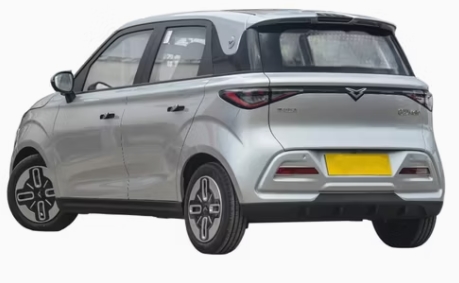
The Kaiyi E‑Qute 02, also marketed in China as the Kaiyi Shiyue, represents Kaiyi Auto’s modern entry into the rapidly growing electric city car segment. Introduced in the early 2020s, this compact battery-electric vehicle (BEV) was designed to meet the needs of dense urban environments, offering affordability, efficiency, and practical technology in a small footprint.
Since its debut, the E-Qute 02 / Shiyue has evolved into a broader family of vehicles, including multiple trims, battery options, and expanded body styles. This article provides a complete, factual look at its evolution, including production years, trim levels, variants, and future outlook.
Origins and Development (2022–2023)
The origins of the E-Qute 02 trace back to Kaiyi’s strategic shift toward electrification in the early 2020s. As part of its transformation from a budget-oriented brand into a global player, Kaiyi introduced a new generation of electric vehicles under the “e-Qute” naming structure.
In January 2023, Kaiyi unveiled a prototype city EV known as the i-EA 01, which previewed a compact, affordable electric hatchback. Later that year, in October 2023, the production version debuted as the Shiyue.
Production Timeline
- 2023–present: E-Qute 02 / Shiyue (3-door model)
The vehicle was positioned as an A-segment city car, competing with other small electric vehicles designed for urban commuting.
.
THIS is GOOD stuff if your car is in need:

.
First Generation Launch (2023)
Design and Platform
The E-Qute 02 debuted as a 3-door hatchback with a compact footprint and modern styling. Key design features included:
- Rounded, youthful exterior styling
- Short overhangs for urban maneuverability
- Distinctive LED lighting elements
Dimensions
- Length: approximately 132.3 inches (3,360 mm)
- Width: 66.9 inches (1,700 mm)
- Height: 63.2 inches (1,605 mm)
Interior
The cabin was designed with simplicity and digital functionality in mind:
- Dual-tone materials
- Central touchscreen infotainment system
- Compact four-seat layout
Powertrain and Battery Options (2023 Launch)
At launch, the E-Qute 02 offered multiple electric configurations:
Motor Options
- 47 horsepower (35 kW)
- 54 horsepower (40 kW)
Battery Options
- 17.69 kWh
- 28.08 kWh
Driving Range
- Approximately 96 miles (155 km) (base battery)
- Up to 187 miles (301 km) (larger battery)
Drivetrain
- Front-wheel drive
- Single-speed automatic transmission
This range of configurations allowed Kaiyi to offer both entry-level affordability and extended-range practicality.
Trim Levels and Configurations (2023)
Unlike traditional gasoline vehicles, the E-Qute 02’s trims are defined primarily by battery size, equipment level, and technology packages rather than luxury branding.
Typical 2023 Trim Structure
- Base (Standard Range)
- Smaller battery (17.69 kWh)
- Basic infotainment
- Manual climate controls
- Mid-Level (Extended Range)
- Larger battery (28.08 kWh)
- Enhanced infotainment system
- Additional connectivity features
- Premium / High Trim
- Full digital display
- Advanced safety features
- 360-degree camera system
Key Features Across Trims
- Dual airbags
- ABS and electronic stability systems
- Optional fast charging (higher trims)
This tiered structure made the vehicle accessible to a wide range of buyers.
Expansion into the E-Qute Family (2024–Present)
Following the success of the initial model, Kaiyi expanded the lineup.
Introduction of the 5-Door Variant (2024)
In April 2024, Kaiyi launched a larger version known as the Shiyue Mate.
Production Years
- 2024–present: Shiyue Mate (5-door variant)
Key Changes
- Increased wheelbase (approximately 99.2 inches / 2,520 mm)
- Longer body (around 146.5 inches / 3,720 mm)
- Improved passenger and cargo space
Battery and Range Options
The Mate introduced expanded battery configurations:
- 17.69 kWh (201 km / 125 miles)
- 28.08–28.5 kWh (300–305 km / 186–190 miles)
- 39 kWh (up to 410 km / 255 miles)
This marked a significant improvement in range and usability.
Additional Variants and Rebadged Models (2024–2026)
The E-Qute 02 / Shiyue platform has been adapted into multiple derivatives:
Key Variants
- E-Qute 04 – Larger hatchback variant (2024–present)
- Shiyue Mate – 5-door extended model
- Chery Duomi – Rebadged version under Chery brand (2025–present)
- Jetour X20e – Another derivative for different markets
2026 Update
- Introduction of Shiyue Max variant (China, 2026–present)
These variants demonstrate the flexibility of the platform and Kaiyi’s global strategy.
Design Evolution
2023 Original Model
- Compact, playful design
- 3-door configuration
- Minimalist interior
2024–Present Updates
- Larger 5-door body style
- More refined styling
- Improved materials and technology
Key Improvements
- Better aerodynamics
- Enhanced cabin ergonomics
- Increased practicality
The transition from a niche microcar to a more versatile compact EV reflects changing consumer expectations.
Technology and Features
Over its lifecycle, the E-Qute 02 / Shiyue has gained several advanced features:
Standard Features
- Touchscreen infotainment
- Electric power steering
- Regenerative braking
Higher Trim Features
- 10.25-inch or larger displays
- Wireless charging
- Smartphone connectivity
- 360-degree camera systems
Charging Capabilities
- AC charging (standard)
- DC fast charging (higher trims)
- 30%–80% charge in approximately 30 minutes
Market Position and Competitors
The E-Qute 02 / Shiyue competes in the electric city car segment, targeting:
- Urban commuters
- First-time EV buyers
- Budget-conscious consumers
Key Advantages
- Compact size for city driving
- Low operating costs
- Multiple battery options
Challenges
- Limited highway performance
- Brand recognition in global markets
Production and Sales Performance
Production Overview
- 2023: Initial launch
- 2024: Expansion with 5-door variant
- 2025–2026: Continued growth and rebadged models
Sales Data (China)
- 2023: 628 units
- 2024: 8,861 units
- 2025: 6,057 units (plus 4,696 rebadged units)
The rapid increase from 2023 to 2024 highlights growing demand for affordable EVs.
Engineering Philosophy
The E-Qute 02 was designed with a focus on:
- Affordability
- Efficiency
- Urban practicality
Key Engineering Features
- Lightweight construction (~2,094–2,293 pounds)
- Lithium iron phosphate (LFP) batteries
- Simple front-wheel-drive layout
This approach prioritizes cost-effectiveness and reliability over performance.
Future Outlook
The future of the E-Qute 02 / Shiyue platform appears promising.
1. Continued Expansion
- More body styles and variants
- Additional trim levels
2. Improved Battery Technology
- Higher energy density
- Longer driving ranges
3. Global Market Growth
Kaiyi is expected to expand the model into:
- Southeast Asia
- Europe
- Latin America
4. Platform Evolution
The platform may serve as the basis for:
- Future compact EVs
- Shared Chery Group models
Significance in Kaiyi’s Lineup
The E-Qute 02 / Shiyue plays a critical role in Kaiyi’s transformation:
- One of the brand’s first dedicated electric platforms
- A key entry-level model for global markets
- A foundation for future EV development
It represents Kaiyi’s commitment to accessible electric mobility.
The Kaiyi E-Qute 02 / Shiyue, produced from 2023 to the present, has rapidly evolved from a simple 3-door electric city car into a versatile and expanding EV platform. With multiple trims, battery configurations, and derivatives—including the Shiyue Mate and E-Qute 04—it has adapted to meet the growing demand for affordable electric transportation.
Its combination of compact design, flexible configurations, and improving technology ensures that it remains competitive in the fast-growing electric city car segment. As Kaiyi continues to expand its electric lineup, the E-Qute 02 / Shiyue will likely remain a cornerstone model, shaping the future of urban mobility.