Karry Dolphin EV: The Evolution of a Purpose-Built Electric Logistics Van
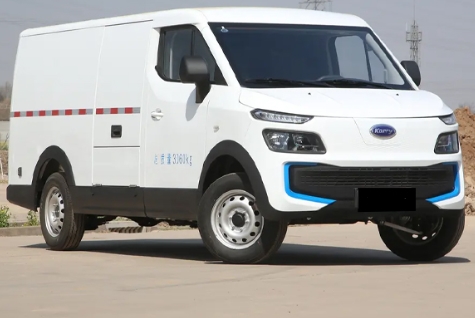
The Karry Dolphin EV stands as one of the most important milestones in Karry’s transformation into a fully electric commercial vehicle manufacturer. Introduced in 2019 as the brand’s first purpose-built electric logistics van, the Dolphin EV has evolved through multiple updates, trim levels, and global adaptations, becoming a core pillar of Karry’s modern lineup.
This article explores the full evolution of the Karry Dolphin EV, including its production timeline, trim levels, engineering changes, and future outlook.
Origins: Karry’s Shift Toward Electrification (2017–2019)
Karry, a subsidiary of Chery Automobile, was originally known for gasoline-powered microvans and trucks. However, by 2017, the company launched its Karry New Energy division, signaling a decisive move toward electric mobility.
Before the Dolphin EV, Karry experimented with electrified versions of existing vehicles such as the K60 EV and Youyou EV. These early models were essentially conversions of gasoline platforms.
The Dolphin EV marked a turning point: it was the first Karry vehicle designed from the ground up as an electric commercial vehicle, specifically for urban logistics.
.
THIS is GOOD stuff if your car is in need:

.
Launch and First Generation (2019–2020)
Production Years
- 2019–present (first generation)
The Dolphin EV was officially launched on September 19, 2019, in Shenzhen, China, as a fully electric light commercial van.
Core Concept
The vehicle was designed to meet the needs of:
- Urban delivery fleets
- Last-mile logistics
- E-commerce distribution networks
Key Specifications (2019 Launch Model)
- Motor: permanent magnet synchronous motor
- Power output: approximately 115 horsepower (86 kW)
- Torque: about 230 Nm
- Battery: 44.5 kWh lithium iron phosphate (LFP)
- Range: 168 miles (271 km)
- Layout: rear-engine, rear-wheel drive
This configuration provided strong low-speed torque, ideal for stop-and-go city driving.
Chassis and Design
- Body-on-frame construction
- Cab-over van layout
- Leaf-spring rear suspension for cargo durability
The Dolphin EV was engineered with practicality as its primary focus, rather than comfort or performance.
Initial Trim Levels and Model Variants (2019)
At launch, the Dolphin EV was offered in several trim levels, particularly in the Chinese market.
2019 Trim Structure
- Zhihui Edition (Smart Edition)
- Zhilian Edition (Connected Edition)
- Zhixiang Edition (Premium/Comfort Edition)
Trim Differences
Although all trims shared the same powertrain, they differed in:
- Infotainment systems
- Connectivity features
- Interior equipment
For example:
- Base trims focused on fleet use
- Higher trims added touchscreen interfaces and telematics
These trims allowed Karry to appeal to both fleet operators and small business owners.
Expansion and Refinement (2020–2022)
Following its initial success, the Dolphin EV underwent incremental updates to improve usability and efficiency.
2021 Model Updates
In 2021, Karry introduced revised trim levels:
- Foundation Edition (Zhihui Type / Zhixiang Type)
- Upgrade Edition (Zhihui Type)
Key Improvements
- Enhanced cabin ergonomics
- Improved infotainment systems
- Better integration of fleet management tools
These updates reflected growing demand for connected commercial vehicles.
Global Expansion and Rebadged Versions (2021–Present)
One of the defining characteristics of the Dolphin EV is its global adaptability. The platform has been exported and rebadged under multiple names:
- MASTA EV Van (South Korea)
- HWE Elemo-L (Japan)
- Cenntro Logistar 260 (international markets)
- B-ON Pelkan (Europe)
Regional Variations
Some international versions feature:
- Different battery suppliers (e.g., Samsung SDI in Korea)
- Slightly increased range (up to 179 miles / 288 km)
This global strategy significantly extended the Dolphin EV’s reach beyond China.
Design and Engineering Evolution
Lightweight Construction
Later updates introduced:
- Increased use of aluminum materials
- Reduced vehicle weight by up to 440 pounds (200 kg)
This improved:
- Energy efficiency
- Payload capacity
- Overall safety
Drivetrain Enhancements
While the core drivetrain remained consistent, refinements included:
- Improved battery management systems
- More efficient power delivery
- Faster charging capabilities
Mid-Life Updates and New Variants (2023–2025)
As competition in the electric commercial vehicle segment increased, Karry continued refining the Dolphin EV.
Updated Specifications (Mid-2020s Models)
- Power output: around 80 kW (updated versions)
- Range: up to 193 miles (310 km, CLTC)
- Enhanced driver assistance systems
- Improved cabin technology
Feature Upgrades
- 360-degree camera systems
- Parking sensors
- USB and Type-C charging ports
- Remote key functionality
These updates brought the Dolphin EV closer to modern passenger vehicle standards while retaining its commercial focus.
Trim Levels and Configurations Overview
Across its lifecycle, the Dolphin EV has been offered in multiple trims and configurations.
2019–2020
- Zhihui Edition
- Zhilian Edition
- Zhixiang Edition
2021–2022
- Foundation Edition (Zhihui / Zhixiang)
- Upgrade Edition
2023–Present
- Base commercial configuration
- Enhanced fleet versions
- Export-specific trims (market dependent)
Body Styles
- Standard cargo van (2-seat configuration)
- High-roof variants (select markets)
- Fleet-customized versions
Unlike passenger vehicles, Dolphin EV trims are often defined by equipment packages and fleet requirements, rather than luxury distinctions.
Relationship to Other Karry EV Models
The Dolphin EV laid the foundation for Karry’s modern electric lineup.
Successor and Related Models
- Karry Porpoise (2022–present)
- Karry Elephant EV (2022–present)
The Porpoise introduced a newer platform, while the Elephant EV adapted it into a truck format.
Despite these newer models, the Dolphin EV remains in production, serving as a larger and more established logistics platform.
Market Position and Competitors
The Dolphin EV competes in the growing segment of electric light commercial vehicles.
Key Competitors
- DFSK EC-series vans
- Wuling electric logistics vehicles
- Other Chinese and international electric vans
Advantages
- Proven platform reliability
- Competitive pricing
- Strong global distribution network
Its relatively simple design also makes it attractive for fleet operators seeking low maintenance costs.
Production and Lifecycle Status
Production Timeline
- 2019: Initial launch
- 2020–2022: Trim expansion and refinement
- 2023–present: Continued updates and global expansion
As of 2026, the Dolphin EV remains in active production and continues to receive incremental improvements.
Future Outlook
The future of the Dolphin EV is closely tied to Karry’s broader electrification strategy.
1. Gradual Replacement by New Platforms
The introduction of the Porpoise EV suggests that:
- The Dolphin EV may eventually be phased out
- Newer platforms will offer improved efficiency and modularity
2. Continued Role in Emerging Markets
Due to its:
- Lower cost
- Proven reliability
The Dolphin EV is likely to remain in production for export markets even as newer models emerge.
3. Technological Advancements
Future updates may include:
- Larger battery options
- Improved range and charging speeds
- Enhanced connectivity features
Significance in the EV Commercial Segment
The Dolphin EV represents a key milestone in the evolution of electric commercial vehicles:
- One of Karry’s first purpose-built EVs
- A bridge between converted EVs and dedicated platforms
- A global product with multiple rebadged versions
It helped establish Karry as a serious competitor in the electric logistics sector.
The Karry Dolphin EV, introduced in 2019, has evolved into one of the most important electric commercial vans in Karry’s lineup. Through multiple trim levels, global adaptations, and continuous updates, it has remained relevant in a rapidly changing market.
From its early Zhihui, Zhilian, and Zhixiang trims to modern fleet-oriented configurations, the Dolphin EV reflects a clear focus on practicality, efficiency, and affordability.
As the automotive industry continues shifting toward electrification, the Dolphin EV’s legacy lies in its role as a pioneering, purpose-built electric logistics vehicle—one that helped redefine how commercial vans are designed and used in the modern era.