The Evolution of the Aeolus Yixuan GS
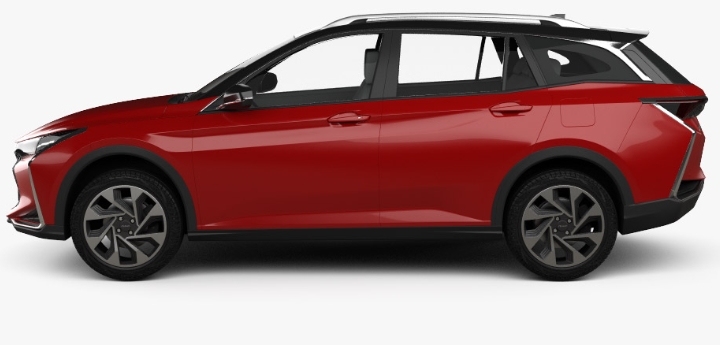
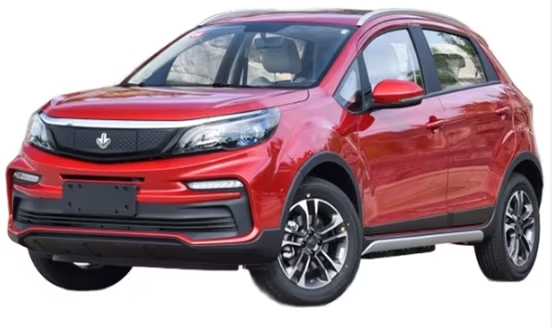
The Aeolus Yixuan GS represents Dongfeng Motor Corporation’s expansion of the Yixuan family beyond traditional sedans into the fast-growing compact crossover segment. Introduced in 2020, the Yixuan GS blends hatchback practicality with SUV styling, offering a versatile alternative to the Yixuan sedan while retaining its core engineering and technology.
Since its debut, the Yixuan GS has undergone gradual development through updated engines, expanded trim offerings, and improved equipment levels. This article provides a detailed, factual account of the Yixuan GS’s evolution, including production years, trim structures, variants, and future outlook—focused exclusively on the GS model.
Origins and Development
The Yixuan GS was conceived as a derivative of the Yixuan sedan, designed to capitalize on the rising popularity of compact crossovers in China and emerging markets. Internally, the model was initially previewed as the Yixuan RV, reflecting its wagon-like proportions before its official market positioning shifted toward a crossover SUV.
- Concept/preview name: Yixuan RV (2020)
- Official debut: May 2020
- Market launch: Mid-2020 (China)
The GS shares its platform and many components with the Yixuan sedan, including the CMP (Common Modular Platform) developed in collaboration with PSA Group. This platform enables efficient production, modern safety features, and compatibility with turbocharged engines.
.
Many car aficionados have multiple hobbies, like boating as well as auto stuff. Those who don’t already own a boat (and even some that do), may have thought about building their own boats. It’s really not as hard as you’d think. Just take a look at these easy boat building plans!

.
First Generation Launch (2020)
- Production years: 2020–present
- Assembly: Wuhan, China
- Class: Compact crossover SUV (C-segment)
- Body style: 5-door crossover
The Yixuan GS entered the market as a single-generation model that continues today, with incremental updates rather than full redesigns.
Core Specifications (Launch Model)
- Wheelbase: 2680 mm
- Length: ~4610 mm
- Width: 1830 mm
- Height: ~1600 mm
These dimensions place the GS firmly in the compact crossover category, offering more cargo space and ride height than the sedan while maintaining relatively compact proportions.
Initial Powertrain Options (2020–2022)
At launch, the Yixuan GS offered two turbocharged gasoline engines:
Engine Lineup
- 200T
- 1.0L turbocharged inline-3
- Output: ~92 kW (125 hp)
- Torque: ~196 Nm
- 230T
- 1.5L turbocharged inline-4
- Output: ~110 kW (150 hp)
- Torque: ~230 Nm
Transmission Options
- 5-speed manual transmission
- 6-speed dual-clutch transmission (DCT)
These engines were shared with the Yixuan sedan and designed to meet China VI emissions standards while offering a balance of performance and fuel efficiency.
Initial Trim Levels (2020 Model Year)
At launch, the Yixuan GS was offered in six distinct variants, reflecting different combinations of engine, transmission, and equipment.
Typical 2020 Trim Structure
1.0T (200T) Models:
- Entry-level manual
- Mid-level manual
- Mid-level DCT
1.5T (230T) Models:
4. Entry-level manual
5. Mid-level DCT
6. High-end DCT
While exact trim names varied depending on translation and market, these variants generally followed a consistent hierarchy:
- Base trims: Basic infotainment, cloth seats, manual air conditioning
- Mid-range trims: Larger displays, improved connectivity, additional safety features
- High-end trims: Advanced driver assistance systems, premium interior finishes
Technology and Features (Launch Phase)
From its introduction, the Yixuan GS emphasized modern technology and value.
Infotainment
- 7-inch digital instrument cluster
- 10-inch central touchscreen
- Smartphone connectivity
Driver Assistance
- Level 2 autonomous driving capability
- Adaptive cruise control
- Lane-keeping assist
- Automatic emergency braking
- Traffic sign recognition
These features were notable for a vehicle in its price range, contributing to its competitive positioning.
Design Characteristics
The Yixuan GS combines elements of a hatchback, wagon, and SUV.
Exterior Design
- Raised ride height
- Black plastic cladding for a rugged appearance
- Sporty front fascia aligned with the Yixuan sedan
Interior Layout
- Driver-focused cockpit
- Emphasis on digital displays
- Flexible cargo area compared to the sedan
Despite its SUV classification, the GS retains a relatively low profile, giving it a more car-like driving experience.
Updates and Evolution (2021–2023)
Following its launch, the Yixuan GS underwent gradual updates rather than a full redesign.
2021 Updates
- Continued availability of 1.0T and 1.5T engines
- Refinement of trim offerings
- Expanded availability of DCT transmissions
A 2021 entry-level model with the 1.0T engine and manual transmission remained one of the most affordable variants in the lineup.
2022 Model Year
By 2022, the lineup remained largely consistent, though some markets introduced new trim naming conventions.
Example trim (China/export markets):
- 230T AMT “Yao Chasing Warrior” (1.5T DCT variant)
This indicates the growing use of more distinctive trim names rather than purely numeric hierarchies.
2023 Updates and Expanded Engines
In 2023, the Yixuan GS received more notable updates, particularly in its engine lineup.
New Engine Options
- 1.5L naturally aspirated engine
- Output: ~92 kW (125 hp)
- Updated 1.5T turbo engine
- Output increased to ~145 kW (197 hp)
- Torque increased to ~300 Nm
Transmission
- Continued use of 6-speed DCT
- Front-wheel-drive layout retained
These updates significantly improved performance, particularly for higher-end models.
Trim Levels and Variants (2023–Present)
By 2023, the Yixuan GS lineup had evolved into a broader range of configurations.
Core Trim Categories
1. Naturally Aspirated Models (1.5L):
- Entry trim
- Mid-level trim
2. Turbocharged Models (1.5T):
- Entry turbo trim
- Mid-level turbo trim
- High-end turbo trim
These trims vary in:
- Infotainment system size
- Interior materials
- Driver assistance features
- Exterior styling elements
Special Editions and Styling Variants
While the Yixuan GS has not seen as many named editions as some other Aeolus models, certain trims and packages have introduced visual differentiation.
Styling Enhancements
- Sportier wheels and accents
- Blacked-out trim elements
- Two-tone exterior options (in some markets)
These updates focus primarily on aesthetics rather than mechanical changes.
Driving Characteristics and Engineering
The Yixuan GS uses a conventional front-wheel-drive layout with a focus on comfort and efficiency.
Suspension
- Front: MacPherson independent suspension
- Rear: Torsion beam non-independent suspension
Performance
- Top speed: ~180–190 km/h
- Fuel economy: ~5.8–6.7 L/100 km depending on engine
The GS prioritizes practicality and affordability over high-performance dynamics.
Market Position and Competitors
The Yixuan GS occupies the compact crossover segment and competes with:
- Domestic Chinese crossovers
- Entry-level models from joint-venture brands
Key Selling Points
- Competitive pricing (approx. 74,900–108,900 yuan at launch)
- Strong feature set for the price
- Versatile body style
It is positioned as a value-oriented crossover aimed at younger buyers and families.
Production Timeline Summary
- 2020–present: First-generation Yixuan GS introduced
- 2020: Launch with 1.0T and 1.5T engines (6 trims)
- 2021–2022: Minor updates and trim restructuring
- 2023–present: Expanded engine lineup (including 1.5L NA and upgraded 1.5T)
Notably, the model has remained within a single generation, receiving incremental updates rather than a full redesign.
Relationship to Other Models
The Yixuan GS is closely related to:
- The Yixuan sedan (shared platform and engines)
- Earlier crossover models like the Aeolus H30 Cross (indirect predecessor)
However, the GS represents a more modern and technologically advanced approach compared to earlier Aeolus crossovers.
Global Presence
The Yixuan GS has been exported to select markets, sometimes under different names such as:
- Aeolus Shine GS
Export versions often feature simplified trim structures and localized equipment levels.
Future Outlook
As of 2025, the Yixuan GS continues in production with no full redesign announced. However, several likely developments can be anticipated:
Electrification
- Potential introduction of hybrid or electric variants
- Improved fuel efficiency and emissions compliance
Technology Enhancements
- Expanded driver assistance features
- Over-the-air software updates
- More advanced infotainment systems
Design Updates
- Facelift with updated styling
- Greater differentiation from the sedan
Market Expansion
- Increased presence in export markets
- Rebranding for regional appeal
Conclusion
Since its debut in 2020, the Aeolus Yixuan GS has evolved into a practical and affordable compact crossover built on a modern platform. With a range of engines, multiple trim levels, and steadily improving technology, it has successfully expanded the Yixuan lineup into a new segment.
Although it has not undergone a full generational redesign, continuous updates—particularly in engine performance and trim offerings—have kept the Yixuan GS competitive. As the automotive market shifts toward electrification and smarter mobility solutions, the Yixuan GS is expected to adapt accordingly, ensuring its continued relevance in the years ahead.