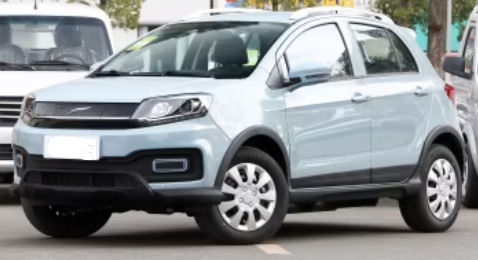
The Evolution of the Changhe Ideal: From Independent City Car to a Lasting Chinese Automotive Success Story
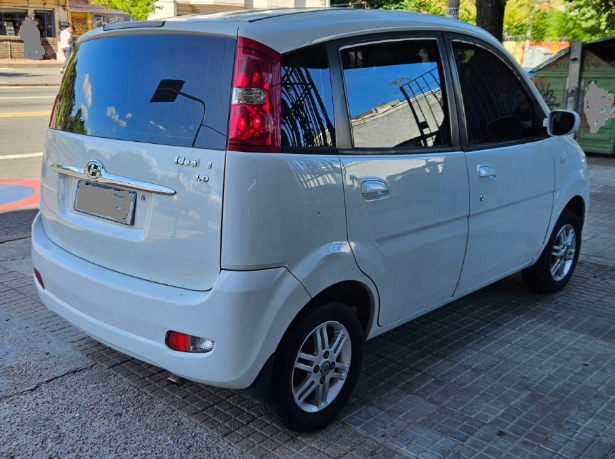
The BAIC Changhe Ideal is one of the most recognizable passenger cars produced by Changhe Automobile, a Chinese manufacturer that later became part of the Beijing Automotive Group (BAIC). Introduced during a period of rapid growth in China’s automotive industry, the Ideal was designed as an affordable subcompact hatchback that offered practicality, efficiency, and modern styling for urban drivers.
Produced from 2003 until 2016, the Changhe Ideal became one of the company’s most successful passenger vehicles. It was notable not only for its affordability but also because its styling was developed by the famous Italian design house Bertone, giving it a more international appearance than many Chinese vehicles of its era. Throughout its production run, the Ideal underwent several updates, gained new engine options, and was offered in numerous trim levels aimed at different customer segments.
Origins of the Changhe Ideal
Changhe Automobile traces its roots to Jiangxi Changhe Automobile Company, a manufacturer originally known for producing small utility vehicles and microvans. During the early 2000s, China’s passenger-car market was expanding rapidly, creating opportunities for domestic manufacturers to introduce affordable family vehicles.
To compete in this growing segment, Changhe developed a new subcompact hatchback. The result was the Ideal, which debuted in 2003. Unlike many domestic competitors, Changhe sought assistance from Bertone, one of Italy’s most respected automotive design firms. Bertone’s involvement helped create a modern and attractive design that appealed to buyers looking for a practical yet stylish vehicle.
The Ideal quickly became one of Changhe’s most important passenger-car offerings and was exported to several international markets.
.
NO MORE dead batteries with this:

.
First Generation Launch (2003–2005)
The Changhe Ideal entered production in 2003 as a five-door hatchback designed primarily for city driving.
Key Features
The original model featured:
- Five-door hatchback body style
- Front-engine, front-wheel-drive layout
- Seating for five passengers
- Compact exterior dimensions
- Large rear cargo opening
- Practical interior layout
- Competitive fuel economy
The vehicle’s compact size made it especially suitable for crowded urban environments while still offering reasonable passenger and cargo space.
Early Engine Options
At launch, the Ideal was powered by Suzuki-derived engines that had already established a reputation for reliability.
Available engines included:
- 1.0-liter inline three-cylinder gasoline engine
- 1.1-liter inline four-cylinder gasoline engine
These engines prioritized fuel efficiency and low operating costs rather than outright performance.
Early Trim Levels
During the initial production years, the Ideal was generally offered in several basic trim levels. Depending on market and production year, these included:
- Standard
- Comfort
- Luxury
Equipment varied by trim level, but common features included:
- Cloth upholstery
- Manual windows on base models
- Air conditioning on higher trims
- Power steering
- AM/FM audio systems
- Central locking on premium versions
Expansion and Market Growth (2005–2008)
As the Ideal gained popularity, Changhe expanded the lineup and improved equipment levels.
The company recognized that Chinese consumers increasingly expected more comfort and convenience features. In response, the Ideal received upgrades throughout the mid-2000s.
New Engine Availability
Additional powertrain options became available during this period.
These included:
- 1.0-liter engine
- 1.1-liter engine
- 1.3-liter inline four-cylinder gasoline engine
The 1.3-liter engine offered noticeably better performance while maintaining respectable fuel economy.
Expanded Trim Structure
During this period, the lineup commonly included:
- Standard
- Comfort
- Deluxe
- Luxury
- Elite
Higher-specification models added:
- Power windows
- Improved interior trim materials
- Alloy wheels
- Enhanced audio systems
- Remote central locking
- Body-colored mirrors and bumpers
The broader trim range allowed Changhe to attract both budget-conscious buyers and customers seeking additional features.
International Exports
One of the most interesting aspects of the Ideal’s history was its export success.
The vehicle was sold under various names in international markets, including:
- Effa Ideal (South America)
- Effa M100 (Brazil)
- Martin Motors Ideal 1000 (Italy)
These export programs helped increase the vehicle’s visibility outside China and demonstrated growing confidence in Chinese automotive products.
The Ideal’s compact dimensions, simple engineering, and affordable pricing made it attractive in developing markets.
Facelift and Modernization (2008–2011)
One of the most significant developments in the Ideal’s evolution occurred with a major facelift introduced around 2008.
The updated model featured:
- Revised front fascia
- New grille design
- Updated headlights
- Restyled bumpers
- Improved interior materials
- Enhanced safety equipment
The facelift helped keep the vehicle competitive as China’s automotive market became increasingly crowded with domestic and international competitors.
Updated Trim Levels
Following the facelift, the model range typically consisted of:
- Basic
- Comfort
- Deluxe
- Luxury
- Elite
- Premium
Features available on higher trims included:
- Air conditioning
- Power windows
- Alloy wheels
- Rear windshield wiper
- Upgraded stereo systems
- Improved interior appointments
The Premium and Elite variants represented the highest equipment levels offered during much of this period.
BAIC Acquisition and Corporate Changes
A major milestone occurred in 2013 when Changhe Automobile became part of BAIC Group.
The acquisition provided Changhe with greater financial support and access to additional resources. Although the Ideal had already been established for a decade, it now became part of BAIC’s broader automotive strategy.
As a result, many enthusiasts and industry observers began referring to later examples as the BAIC Changhe Ideal, even though the vehicle itself retained the Changhe branding.
The acquisition helped stabilize Changhe’s operations during a period when many smaller Chinese manufacturers were struggling to remain competitive.
Final Production Years (2011–2016)
During its final years, the Ideal remained largely unchanged mechanically.
By this point, the vehicle’s strengths included:
- Proven reliability
- Low ownership costs
- Easy maintenance
- Strong fuel economy
- Affordable purchase price
However, the model increasingly faced competition from newer vehicles featuring:
- More advanced safety systems
- Modern infotainment technology
- Improved crash protection
- More efficient engines
Final Trim Levels
During the final production years, documented trims generally included:
- Standard
- Comfort
- Deluxe
- Luxury
- Elite
- Premium
Depending on market requirements and dealer inventory, special editions and regional variants occasionally appeared.
Engine Lineup
The final engine range consisted primarily of:
- 1.0-liter gasoline engine
- 1.1-liter gasoline engine
- 1.3-liter gasoline engine
All engines were paired with manual transmissions.
Automatic transmission options were never a major part of the Ideal lineup.
Design and Practicality
One reason for the Ideal’s longevity was its practical design.
Key dimensions included:
- Compact urban-friendly footprint
- Five-passenger seating
- Hatchback versatility
- Easy maneuverability
- Efficient use of interior space
The Bertone-designed body gave the vehicle a more contemporary appearance than many low-cost Chinese competitors introduced during the same period.
Safety Features
Safety equipment evolved gradually throughout production.
Depending on trim level and model year, available features included:
- Anti-lock braking system (ABS)
- Driver airbag
- Passenger airbag
- Side-impact protection beams
- Three-point seatbelts
- Child safety locks
While modest by modern standards, these features represented competitive equipment within the budget-car segment during the 2000s.
End of Production
Production of the Changhe Ideal concluded in 2016 after approximately thirteen years on the market.
The decision reflected changing consumer preferences and increasingly strict safety and emissions requirements. Buyers were increasingly moving toward crossovers, SUVs, and more technologically advanced compact cars.
As a result, the aging Ideal was retired without a direct successor.
Legacy
The BAIC Changhe Ideal occupies an important place in Chinese automotive history. It demonstrated that Chinese manufacturers could successfully develop practical passenger cars capable of competing both domestically and internationally.
Its combination of Bertone styling, Suzuki-derived mechanical components, affordability, and durability helped establish a loyal customer base.
The vehicle also served as a bridge between Changhe’s early years as an independent manufacturer and its later role within the BAIC Group.
Future Outlook
Although the Changhe Ideal is no longer in production, its legacy continues through BAIC Changhe’s subsequent vehicle programs. Modern Changhe products emphasize crossovers, sport utility vehicles, and electric vehicles rather than traditional subcompact hatchbacks.
As China’s automotive industry continues its transition toward electrification and advanced mobility technologies, vehicles like the Ideal represent an important chapter in the country’s industrial development. The model helped introduce many consumers to automobile ownership and remains a memorable example of China’s first generation of globally exported passenger cars.
Today, surviving examples continue to serve owners in China and several export markets, providing a reminder of an era when affordable, practical hatchbacks helped fuel the rapid growth of the Chinese automotive industry.