The Evolution of the Haval H6 and H6 GT: From China’s Best-Selling SUV to Global Hybrid Performance Coupe
The Haval H6 is one of the most important models produced by Great Wall Motors (GWM) under its Haval brand, widely recognized as one of China’s best-selling compact SUVs and a major export success. First launched in 2011, the H6 has evolved through multiple generations, continuous facelifts, and the introduction of electrified powertrains.
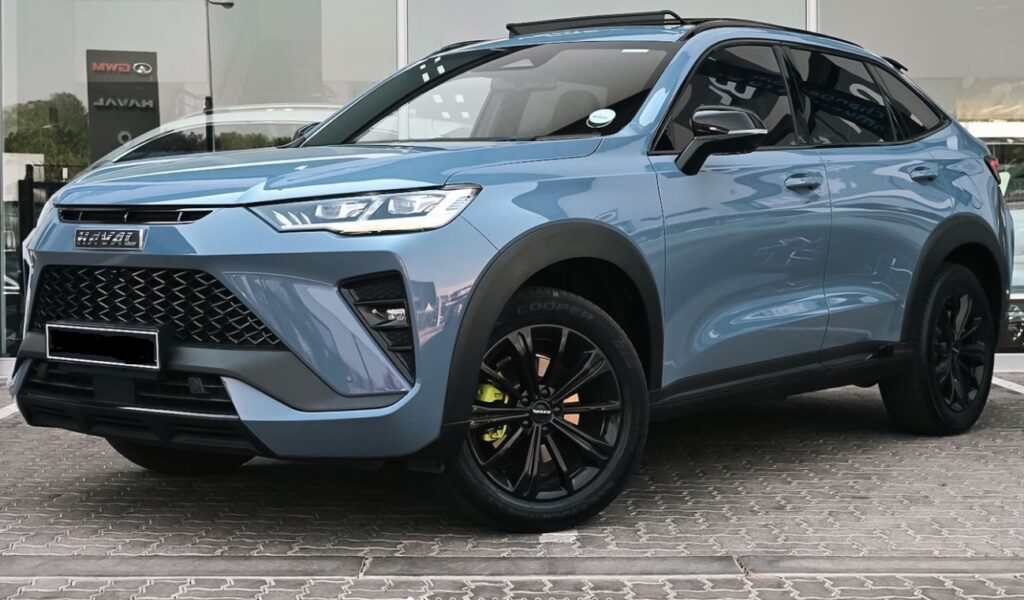
The later addition of the Haval H6 GT—a coupe-style sport SUV—expanded the lineup into a more design-focused and performance-oriented direction. Together, the H6 and H6 GT demonstrate how Haval transformed from a domestic SUV brand into a global competitor in the compact SUV segment.
This article explores the evolution of the Haval H6 and H6 GT, including production years, generations, trim levels, powertrains, and future outlook.
Origins and Early Development (2010–2011)
The Haval H6 was first introduced in 2011, following the rapid expansion of Great Wall Motors into the SUV market. It was designed to compete in the growing compact SUV segment in China and quickly became a sales leader due to its affordability and practicality.
From the beginning, the H6 focused on:
- Family-oriented practicality
- Strong value-for-money positioning
- Simple but functional technology
First Generation Haval H6 (2011–2017)
The first-generation H6 established the model as a mainstream SUV in China.
Key Characteristics:
- Traditional compact SUV design
- Front-wheel drive layout
- Gasoline engine options (1.5L and 2.0L variants depending on market)
- Manual and automatic transmissions
Typical Early Trim Levels:
- Base / Standard
- Mid / Comfort
- Luxury / Premium
These trims varied by market but generally followed a simple structure focused on equipment upgrades such as infotainment, interior materials, and alloy wheels.
.

.
Second Generation Haval H6 (2017–2020)
The second generation introduced a more modern design and improved technology, marking a significant step forward.
Key Improvements:
- Updated platform
- More refined interior
- Advanced safety features
- Improved turbocharged engines
Common Trim Structure:
- Comfort
- Elite
- Premium
- Luxury
This generation helped the H6 maintain its position as one of the best-selling SUVs in China.
Third Generation Haval H6 (2020–Present)
The third-generation H6, launched in 2020, represents a major redesign built on GWM’s Lemon Platform, a modular architecture that improved safety, weight reduction, and efficiency.
Key Features:
- Larger body size and improved cabin space
- Stronger body structure with high-strength steel
- Advanced driver assistance systems
- Fully modernized interior with large digital displays
Safety and Technology Highlights:
- Adaptive cruise control
- Lane keeping assist
- 360-degree camera systems
- Blind-spot monitoring
- Enhanced electronic stability systems
Third-Generation H6 Trim Levels (Global Markets)
The third-generation H6 is offered in different configurations depending on region, but commonly includes a structured trim hierarchy.
Common Global Trim Levels:
- Luxury / Premium (entry-level in many markets)
- Super Luxury / Lux
- Ultra Luxury / Ultra
- 4WD variants (Luxury 4WD / Ultra Luxury 4WD)
- Hybrid Luxury / Hybrid Ultra
For example, in South Africa, the lineup includes six trims combining petrol, hybrid, and AWD options.
Powertrain Evolution of the H6
Gasoline Engines:
- 1.5-liter turbocharged engine (varies by market)
- 2.0-liter turbocharged engine producing up to ~150–170 kW depending on tuning
- Torque figures typically around 320–380 Nm in newer versions
Hybrid Variants:
- Mild hybrid (HEV) systems
- Full hybrid powertrains introduced in 2022 onward
- Plug-in hybrid (PHEV) versions in select markets
Hybrid models significantly improved fuel efficiency and broadened global appeal.
Introduction of the Haval H6 GT (2022–Present)
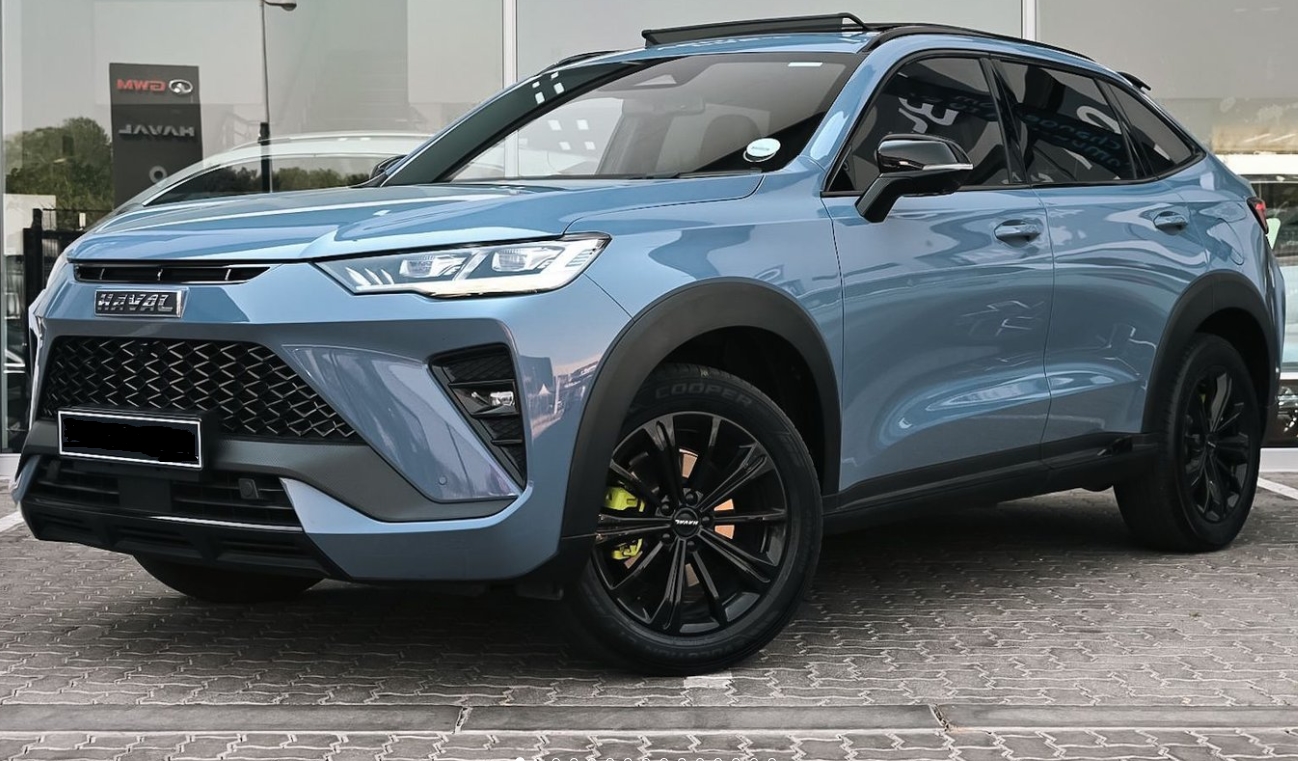
The Haval H6 GT debuted in 2022, expanding the H6 family into a sportier coupe-SUV direction. It features a sloping roofline, aggressive styling, and performance-oriented tuning.
Key Differences from Standard H6:
- Coupe-style roofline
- More aggressive front and rear styling
- Sport-tuned suspension
- Performance-focused positioning
The H6 GT is intended to appeal to younger buyers seeking style and performance over maximum practicality.
H6 GT Trim Levels and Variants
Unlike the broader H6 lineup, the H6 GT is typically offered in a simplified structure.
Common Trim Levels:
1. Lux (2WD / FWD)
- Entry-level GT variant
- Focus on style and comfort
2. Ultra (AWD / 4WD)
- Higher performance variant
- All-wheel drive system
- Additional technology and luxury features
In some markets, a plug-in hybrid version of the GT has also been introduced.
Engine:
- 2.0-liter turbocharged engine
- Around 155 kW (petrol versions)
- Up to ~207 horsepower in some markets
- Torque up to ~325 Nm in GT configurations
Technology and Interior Evolution
Across both the H6 and H6 GT, technology has become a defining feature.
Interior Features:
- Large central touchscreen (up to 12.3 inches in some trims)
- Digital instrument cluster
- Voice control systems
- Premium upholstery (leather and Alcantara in GT models)
Driver Assistance Systems:
- Adaptive cruise control
- Lane departure warning
- Traffic sign recognition
- Automatic emergency braking
The H6 GT adds sport-oriented interior styling, including contrast stitching and carbon-fiber-style trim.
Market Position and Global Expansion
The Haval H6 has become one of GWM’s most globally successful models, sold in Asia, South America, Africa, the Middle East, and Australia.
Key Competitors:
- Toyota RAV4
- Hyundai Tucson
- Kia Sportage
- Nissan X-Trail
Strengths:
- Competitive pricing
- Strong equipment levels
- Hybrid availability
- Wide global distribution
Facelifts and Ongoing Updates (2023–2025)
The third-generation H6 has received continuous updates rather than full redesigns.
Key Updates:
- Revised front and rear styling
- Improved infotainment systems
- Expanded hybrid availability
- Introduction of plug-in hybrid variants in select markets
- Improved safety and driver assistance features
Evolution Summary
Key Milestones:
- 2011: First-generation H6 launched
- 2017: Second-generation introduced
- 2020: Third-generation launched on Lemon Platform
- 2022: H6 GT introduced
- 2022–Present: Hybrid and PHEV expansion
- 2025: Major facelift and global updates
Future Outlook
The Haval H6 and H6 GT are expected to continue evolving as electrification accelerates across the automotive industry.
Likely Future Developments:
- Expanded hybrid and plug-in hybrid offerings
- Possible fully electric H6 variant
- Increased adoption of advanced driver assistance systems
- Further platform refinements for global markets
Long-Term Direction:
GWM is expected to continue positioning the H6 as a global core SUV, while the H6 GT will remain the sportier, design-focused alternative.
The Haval H6 has evolved from a simple compact SUV into a globally competitive, technology-rich vehicle spanning three generations and multiple electrified powertrains. Its success is built on continuous improvement, strong value positioning, and adaptability to global markets.
The introduction of the H6 GT further expanded the lineup, adding a sportier and more expressive option for buyers seeking style alongside practicality. Together, the H6 and H6 GT represent one of the most successful transformations in the modern SUV landscape, and they remain central to Great Wall Motors’ global strategy moving forward.