The Evolution of the Jiangnan U2: A Modern Revival of a Legacy City Car Brand
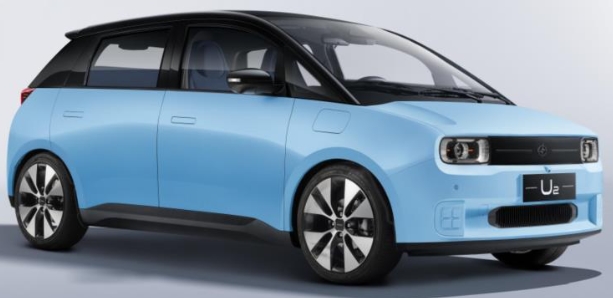
The Jiangnan U2 is a compact electric city car developed by Jiangnan Automobile, a long-standing Chinese automotive marque historically known for producing some of the country’s most affordable vehicles. Introduced in the early 2020s, the U2 represents a dramatic transformation for a brand once associated with licensed microcars based on older Suzuki designs. Unlike its predecessors, the U2 is a fully electric, modernized urban hatchback aimed at competing in China’s rapidly growing entry-level EV market.
First revealed in 2023, the Jiangnan U2 marks the brand’s return after a period of bankruptcy and restructuring under its former parent company Zotye Auto. While it carries a familiar name, the U2 is essentially a clean-sheet modern EV built for contemporary urban mobility, combining retro-inspired design elements with advanced electric drivetrain technology.
Historical Background of Jiangnan Automobile
Jiangnan Automobile has one of the most unusual histories in China’s automotive industry. Originally associated with producing licensed versions of the Suzuki Alto, the company became known for ultra-low-cost vehicles such as the Jiangnan TT, which was one of the cheapest production cars sold in China during the 2000s and early 2010s.
After being acquired and operated under Zotye Auto, Jiangnan continued producing small, budget-focused vehicles, including derivatives of Zotye models and simple electric conversions. However, by the early 2020s, Zotye’s financial collapse led to Jiangnan filing for bankruptcy and reorganization in 2021, temporarily halting its operations.
Later that same year, the brand was revived under new ownership and restructuring efforts, setting the stage for its return to the automotive market with an electric-first strategy.
The Jiangnan U2 is the first major product of this revival.
.
MANY auto lovers not only spend time in their garages to tinker on their autos, but have other projects going on in there as well. Wood working is a popular pastime for the creative type of individual. Not sure what to make next? Or thinking about getting into this kind of hobby? There’s lots of possibilities… Here’s some of them…

.
Introduction and Development of the U2
The Jiangnan U2 was first revealed in early 2023 as a compact electric hatchback intended for urban users. Rather than being an entirely original platform, the U2 is closely related to the BAIC Ruixiang Hoen O2 architecture, which also underpins several other Chinese EVs.
While mechanically shared, the U2 differentiates itself through unique front-end styling and brand-specific design cues, including rounded LED lighting elements and a retro-inspired silhouette that loosely references the original Suzuki Alto lineage.
The model was positioned as a practical, affordable EV aimed at city drivers, fleet operators, and younger consumers seeking low-cost electric mobility.
Production and Market Timeline
Unlike earlier Jiangnan models that had long production cycles, the U2 is part of a modern EV rollout strategy tied to China’s fast-moving electric vehicle sector.
Production Timeline
| Year | Development |
|---|---|
| 2021 | Jiangnan brand restructured after bankruptcy |
| 2023 | Jiangnan U2 officially revealed |
| 2023 | Production and market rollout begins |
| 2024–2026 | Continued limited production and market expansion |
As of 2026, the Jiangnan U2 remains in early production and development stages, with availability primarily in the Chinese domestic market.
Design and Dimensions
The Jiangnan U2 is classified as a compact electric city car, designed to maximize interior space while remaining highly maneuverable in dense urban environments.
Key dimensions include:
- Length: approximately 151 inches (3,840 mm)
- Width: approximately 68.5 inches (1,740 mm)
- Height: approximately 61 inches (1,545 mm)
- Wheelbase: approximately 99 inches (2,521 mm)
Despite its compact footprint, the U2 uses a relatively tall body design, allowing for improved headroom and usable interior volume. The styling blends retro cues with modern EV aesthetics, including a short hood, upright cabin, and clean aerodynamic surfaces.
Powertrain and Performance
The Jiangnan U2 is built on a front-wheel-drive electric platform and offers multiple power outputs depending on configuration.
Electric Motor Options
- Base motor: approximately 74 horsepower (55 kW)
- Higher-output motor: approximately 107 horsepower (80 kW)
Torque varies by configuration, with figures up to approximately 160 Nm in higher-performance versions.
Battery and Range
The U2 uses lithium iron phosphate (LFP) battery technology, which is widely used in affordable EVs due to its durability and cost efficiency.
- Entry battery: approximately 305 kilometers (CLTC cycle)
- Larger battery: up to approximately 406 kilometers (CLTC cycle)
These ranges make the U2 suitable for daily commuting and short intercity travel but not designed for long-distance highway use.
Trim Levels and Variants
Although Jiangnan has not officially standardized global naming conventions, the U2 is offered in multiple configurations that can be grouped into functional trim categories.
Base Urban Trim
The entry-level version of the U2 is focused on affordability and basic transportation.
Features typically include:
- Smaller battery pack
- Standard electric motor
- Basic infotainment system
- Manual or simplified climate controls
- Steel or basic alloy wheels
- Essential safety systems
This configuration is intended for budget buyers and fleet or shared mobility applications.
Mid-Level Comfort Trim
The mid-tier version is the most commonly configured variant for private buyers.
Features include:
- Larger touchscreen infotainment system
- Smartphone connectivity
- Rear parking assistance
- Improved interior materials
- Enhanced battery option availability
- Additional convenience features
This trim balances cost with everyday usability.
High-End Technology Trim
The top-tier configuration focuses on digital features and comfort upgrades.
Features may include:
- Larger infotainment display with enhanced interface
- Digital instrument cluster
- Keyless entry and push-button start
- Advanced connectivity features
- Upgraded interior materials and trim accents
- Optional panoramic roof (market-dependent)
These versions aim to position the U2 closer to higher-end compact EVs while maintaining affordability.
Interior and Technology
The Jiangnan U2’s interior reflects modern Chinese EV design trends, emphasizing digital interfaces and minimal physical controls.
Key features include:
- Central touchscreen infotainment system
- Digital driver information display (higher trims)
- Smartphone integration
- Voice control functionality
- Compact but functional seating layout for up to five passengers
- Connectivity-focused software ecosystem
The interior design prioritizes efficiency and usability rather than luxury.
Market Position and Competition
The Jiangnan U2 competes in China’s rapidly expanding entry-level EV segment, which includes numerous low-cost electric hatchbacks from domestic manufacturers.
Its competitors typically include:
- Other compact EV city cars
- Budget-oriented electric hatchbacks
- Fleet-focused urban mobility vehicles
The U2’s main advantages are:
- Low entry price
- Efficient LFP battery system
- Compact urban-friendly dimensions
- Modern design compared to older micro-EVs
However, it also faces challenges:
- Limited brand recognition after Jiangnan’s restructuring
- Strong competition from larger automakers
- Relatively modest performance and interior space
Legacy and Industry Significance
Although still a new model, the Jiangnan U2 is significant because it represents the rebirth of a legacy Chinese automaker in the modern EV era. Jiangnan’s transformation from a producer of licensed microcars into a developer of electric vehicles mirrors the broader evolution of China’s automotive industry.
The U2 also reflects several key industry trends:
- Shift from combustion-based microcars to electric mobility
- Increasing reliance on shared EV platforms across brands
- Strong demand for affordable urban EVs
- Revival of legacy automotive names under new ownership structures
Future Outlook
As of 2026, the Jiangnan U2 remains in early-stage development and market expansion. There are no confirmed plans for a second-generation model yet, but continued improvements in battery technology and platform sharing are likely to influence future updates.
The most probable direction for the U2 family includes:
- Expanded battery options with improved range
- Updated interior software and infotainment systems
- Potential export or regional expansion
- Further platform integration with other BAIC-related EV architectures
However, the long-term future of Jiangnan Auto remains closely tied to its parent company structure and broader restructuring efforts following Zotye’s financial difficulties.
The Jiangnan U2 is a compact electric city car that represents both a revival and reinvention of a historic Chinese automotive brand. First introduced in 2023, it combines modern EV technology with a practical urban design philosophy, offering an affordable solution for city transportation.
While still early in its lifecycle, the U2 highlights the dramatic transformation of Jiangnan from a budget microcar producer into a participant in China’s competitive electric vehicle market. Its success or failure will likely help determine the future direction of the brand in the evolving global EV landscape.