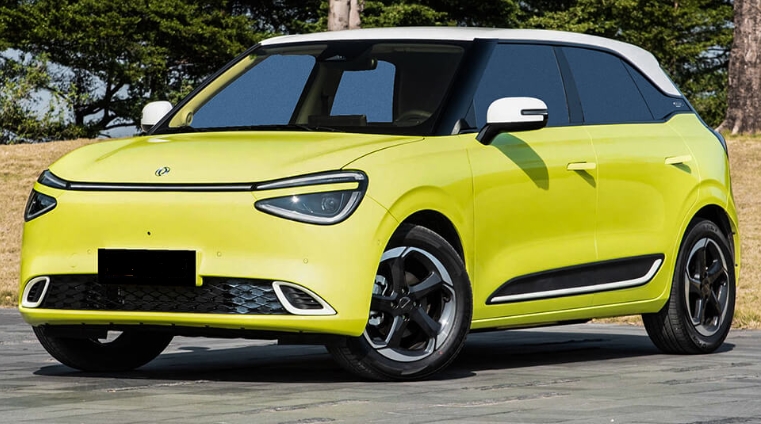
The Evolution of the Maxus D60: Maxus’s Mid‑Size SUV Adventure
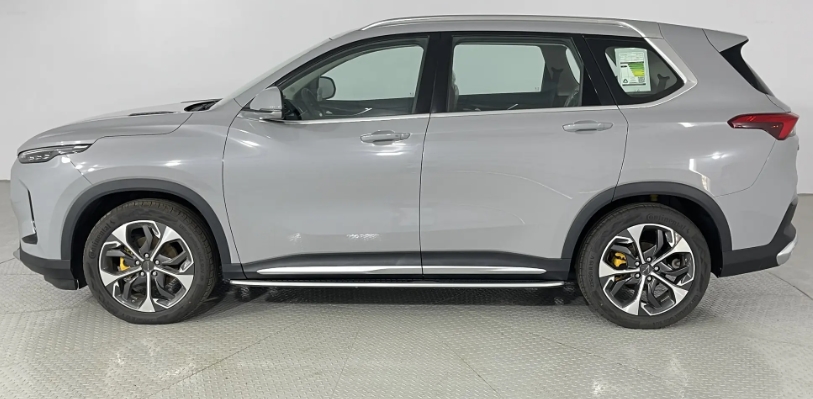
When the Maxus D60 debuted in 2019, it marked a key moment in SAIC Motor’s strategy to broaden the Maxus brand beyond vans, MPVs, and commercial vehicles and into the highly competitive SUV segment. Produced from 2019 through 2024, the D60 was a mid‑size crossover SUV that blended practical design, flexible interior configurations, competitive pricing, and emerging electrified variants. Over its lifecycle, the D60 evolved with expanding trim levels, powertrain options, and electrified derivatives—including plug‑in hybrids and full battery‑electric versions. This article traces the full evolution of the Maxus D60, covering production years, model variants, key specifications, and its future outlook.
Origins and Development
The Maxus D60 traces its roots back to SAIC’s desire to expand Maxus into the passenger car market—beyond commercial vans like the V80 and MPVs such as the G10. The D60 concept drew inspiration from the Maxus Tarantula concept vehicle, first shown at the 2018 Beijing Auto Show, previewing a production SUV aimed at families and urban consumers.
The production Maxus D60 officially debuted on February 28, 2019, at the Shanghai Auto Show, and sales commenced soon after that year. It was designed from the outset as a mid‑size SUV with versatile seating options, modern technology features, and a move toward electrification—a first for Maxus in the SUV segment.
.

.
2019 Model Year: Launch and First Trim Structure
Powertrain Options
At launch, the D60 was available with two petrol engines:
- 1.3‑liter turbocharged petrol producing roughly 163 hp
- 1.5‑liter turbocharged petrol producing approximately 169 hp
Multiple transmission choices supported these engines:
- 6‑speed manual
- 7‑speed dual‑clutch automatic (DCT)
The front‑engine, front‑wheel‑drive layout underpinned all conventional internal combustion models.
Seating and Flexibility
The D60 was notable for its flexible interior, offering:
- 5‑seat configuration
- 6‑seat configuration (2+2+2)
- 7‑seat configuration (2+3+2)
These options made the D60 appealing to families and fleet users alike.
Early Trim Levels (2019)
Early Chinese market trims were offered with descriptive naming that reflected interior equipment and targeted buyer groups. Typical 2019 trims included (among others):
- Starting Edition
- Trend Enjoyment Edition
- Comfort Enjoyment Edition
- Zhixiang Edition
- Full Configuration Edition
These trims varied in features such as infotainment screens, safety systems, upholstery materials, and optional equipment.
2020–2021: Refinement and Market Response
Throughout 2020 and 2021, the D60 continued in the Chinese market with incremental refinements rather than major mechanical redesigns.
Feature Enhancements
Maxus emphasized technology and driver assistance systems. Some models offered Level 2.5 semi‑autonomous driving functions, including adaptive cruise control and automated parking assistance—features that were unusual in this segment at competitive price points.
Expanded Trim Options
Dealership listings and configuration data from this period indicate a broad array of trims and special editions, including:
- 1.5T Automatic Comfort Edition
- Automatic Intelligent Edition
- Automatic Trend Edition
- Automatic Prestige Edition
- Regional Special Editions (e.g., “Dubai Edition,” “Plateau Edition,” “Chao Edition”)
These trims often reflected marketing strategies aimed at regional tastes or special packages rather than strict hierarchical positions, emphasizing versatility in the D60 family.
2022 Model Year: Core Refinement
By 2022, the D60 had gained traction with a number of recognizable trim names that helped buyers differentiate options more clearly.
Representative 2022 Trims
Common 2022 petrol variants included:
- Exclusive Edition 5‑Seater
- Exclusive Edition 6‑Seater
- Plateau Edition 7‑Seater
These trims were powered by the 1.5‑liter turbo petrol engine with a 7‑speed DCT, balancing performance and efficiency in the mid‑size SUV market.
Trim names such as “Exclusive” and “Plateau” generally reflected incremental upgrades in equipment such as dual‑zone climate control, connectivity features, and comfort appointments.
Electrified Evolution: D60e, Euniq 6, and Mifa 6
A significant part of the D60 story is its electrified derivatives. SAIC Maxus pushed beyond traditional petrol powertrains, recognizing the importance of electric mobility.
Maxus D60e / Euniq 6 (2019–2023)
Soon after the D60’s debut, Maxus introduced the Maxus D60e, later rebadged as the Maxus Euniq 6—a plug‑in hybrid (PHEV) and full electric variant based on the same platform.
The Euniq 6 featured blue‑accent styling details and electrified powertrain options. It explored both:
- Plug‑in hybrid powertrains using the 1.3‑liter engine plus electric motor
- Battery‑electric configurations powered by a CATL lithium battery pack, with a claimed comprehensive range of up to approximately 372 miles (NEDC)—a projection reflecting early development ambitions in EV MPVs/SUVs.
The Euniq 6 continued in production until late 2023, overlapping with the end of the petrol‑powered D60.
Maxus Mifa 6 (2023–2024)
In 2023, SAIC Maxus launched the Maxus Mifa 6 as the successor to the Euniq 6 electrified derivative. While mechanically still tied to the D60 platform, the Mifa 6’s introduction signaled Maxus’s move toward a more coherent naming strategy—aligning electrified SUVs under the “Mifa” electric family rather than the older “Euniq” label.
The Mifa 6 offered improved electric drivetrain options through 2024, retaining SUV characteristics while further expanding the electrified picture of the D60 platform.
2023–2024: Final Years and End of Production
Petrol Models
Even as electrified variants emerged, petrol‑powered versions of the D60 continued to be sold in China up to model year 2024, with representatives like the 2023 1.5T Automatic Comfort Enjoyment Edition offered in:
- 5‑seat
- 6‑seat
- 7‑seat configurations.
These models continued to use the familiar 1.5T turbo petrol engine with a 7‑speed DCT, catering to buyers who prioritized familiar technology and lower upfront cost compared to PHEV or EV alternatives.
End of Production
Production of the Maxus D60 officially concluded in 2024. By this point, the SUV had served a full production cycle—about five years—and made its mark as a flexible mid‑size offering from Maxus.
Design and Engineering Overview
Dimensions and Platform
Across all model years, the Maxus D60 shared consistent physical dimensions:
- Length: 4,720 mm
- Width: 1,860 mm
- Height: 1,736 mm
- Wheelbase: 2,760 mm
These dimensions positioned it solidly within the mid‑size SUV segment, offering a balance of interior space and urban maneuverability.
Interior and Technology
The D60’s interior emphasized practicality, flexible seating positions, and modern infotainment. Higher trims added features such as:
- Large central infotainment screens
- Semi‑autonomous driving aids (Level 2.5)
- Panoramic sunroof (selected trims)
Seating configurations (5, 6, or 7 seats) appealed to both family and commercial users.
Market Position and Competitive Landscape
The Maxus D60 was positioned as a value‑oriented mid‑size SUV in a crowded market dominated by models from domestic and international brands. Its strengths included:
- Flexible interior layouts
- Competitive tech features at affordable pricing
- Availability of electrified versions
However, the D60’s production lifespan overlapped with rapid technological shifts toward EVs, and as a result, its petrol models found increasing competition from more modern electrified and hybrid SUVs.
Legacy and Impact
The Maxus D60’s legacy lies not only in its role as a practical SUV offering but also as a platform for electrified experimentation. The related D60e, Euniq 6, and Mifa 6 derivatives helped SAIC Maxus gain experience in bringing electrified SUV technology to market, paving the way for subsequent electric SUV models.
The D60 also helped broaden Maxus’s product reach beyond commercial vehicles and MPVs, contributing to brand diversification and global exports in regions where Maxus competed under the Maxus or LDV nameplates.
Future Outlook
Electrified SUV Families
Maxus continues to build on the electrified SUV experience gained from the D60 platform. Future electric SUV offerings will likely focus more on:
- Dedicated EV platforms (e.g., MIFA‑branded models)
- Improved range and performance
- Global competitive positioning
Brand Strategy
Maxus is expected to align SUVs more closely with electric mobility as global regulatory pressures favor electrification. The Mifa family is a key component of that strategy, signaling a transition away from petrol‑first platforms like the original D60.
The Maxus D60 represents a significant chapter in SAIC Motor’s SUV journey. Produced from 2019 to 2024, it delivered a versatile mid‑size SUV with flexible seating, strong equipment levels, and a range of trims that catered to diverse buyer preferences.
Key milestones in the D60’s evolution include:
- Its debut and early trim diversification
- Expanded interior configurations
- Electrified derivatives like Maxus D60e/Euniq 6
- Successor electrified SUV Maxus Mifa 6
- Final petrol SUV production ending in 2024
Today, the D60’s influence endures in Maxus’s SUV lineup, having laid the groundwork for electrified successors and demonstrating the brand’s willingness to innovate across powertrain technologies and market segments.