The Evolution of the Rising Auto R7: SAIC’s Flagship Electric Crossover SUV
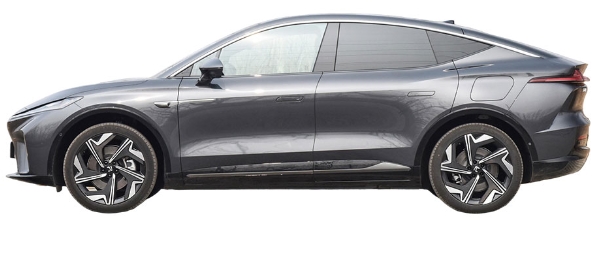
The Rising Auto R7 represents a significant milestone in China’s rapidly expanding electric vehicle (EV) industry. Developed by SAIC Motor under its premium EV marque Rising Auto, the R7 combines advanced technology, long-range capability, and modern design in a mid-size coupe SUV package. Since its debut in the early 2020s, the R7 has evolved through multiple updates and trim offerings, reflecting both technological progress and shifting market demands.
This article explores the full evolution of the Rising Auto R7, including its origins, production timeline, trim levels, technical development, and future outlook.
Origins and Brand Background
The story of the R7 begins with the transformation of SAIC’s EV strategy. In 2020, SAIC launched the “R Brand,” a sub-division of its Roewe lineup focused on intelligent electric vehicles. By 2021, this initiative was rebranded as Rising Auto, establishing a standalone identity for premium EVs.
The R7 was the first truly original model developed under this new brand, distinguishing itself from earlier rebadged vehicles. It was previewed as the ES33 concept at the 2021 Shanghai Auto Show before entering production.
.
THIS is GOOD stuff if your car is in need:

.
Production Overview
- Concept debut: 2021 (ES33 Concept)
- Production start: 2022
- Production status: 2022–present
- Assembly location: Nanjing, China
The R7 is classified as a mid-size electric coupe SUV, featuring a five-door layout and seating for five passengers.
First Generation Launch (2022)
The production version of the R7 launched in 2022 as a technologically ambitious electric SUV. It was designed to compete with both domestic and global EVs in the premium mid-size segment.
Key Features at Launch
- Battery-electric platform (BEV)
- Optional battery swapping capability
- Up to 544 horsepower (dual-motor AWD variants)
- Rear-wheel-drive (RWD) base versions (~340 hp)
- Range of approximately 600 km (NEDC)
The R7 stood out for its advanced interior technology, including:
- A 43-inch triple-screen dashboard
- Augmented reality head-up display (AR-HUD)
- Up to 33 sensors, including optional LiDAR
These features positioned the R7 as a high-tech flagship within SAIC’s EV portfolio.
Early Trim Structure (2022–2023)
While exact global naming varied, early R7 models were broadly divided into:
- Base RWD variants
- Long-range RWD variants
- Dual-motor AWD performance variants
These trims differed primarily in battery capacity, drivetrain configuration, and driving range.
Expanded Trim Lineup (2023–2024)
By 2023, Rising Auto refined the R7 lineup with clearer trim naming and pricing tiers. According to official specification databases, the 2024 model year featured several trims:
2024 Rising Auto R7 Trim Levels
- Advance
- Advance Pro
- Long Range (LR) Pro
- Flying R7 Advance
- Flying R7 Advance Pro
- Flying R7 Long Range Pro Edition
Key Specifications (2024 Models)
- Battery options: 77 kWh and 90 kWh
- Range (CLTC): 570 km to 670 km
- Power output: ~250 kW (≈340 hp)
- Drivetrain: Primarily rear-wheel drive
- 0–100 km/h: ~5.8 seconds
- Top speed: 200 km/h
The introduction of the “Flying” variants suggests a marketing emphasis on premium or enhanced technology packages, though core mechanical specifications remained similar across trims.
Design and Platform Continuity
Despite trim diversification, the R7 retained its core dimensions and architecture:
- Length: ~4900 mm
- Wheelbase: 2950 mm
- Body style: Coupe SUV
Facelift and Simplified Lineup (2025)
In 2025, Rising Auto introduced a refreshed R7 lineup with a simplified trim structure and revised performance figures.
2025 Trim Levels
- City
- Advanced
- Long Range (LR)
Key Changes
- Reduced power outputs compared to earlier high-performance variants
- Expanded efficiency focus
- Broader price accessibility
2025 Specifications
| Trim | Battery | Range (CLTC) | Power |
|---|---|---|---|
| City | 62.2 kWh | 500 km | 150 kW |
| Advanced | 71 kWh | 570 km | 165 kW |
| LR | 90 kWh | 730 km | 180 kW |
Other notable updates:
- Continued use of RISING PILOT advanced driver assistance
- Mobileye EyeQ4H chips for semi-autonomous features
- Improved energy efficiency (as low as 14 kWh/100 km)
This shift reflects a broader industry trend toward balancing performance with efficiency and affordability.
Technology and Innovation
Throughout its lifecycle, the R7 has emphasized cutting-edge technology:
1. Battery and Charging
- Lithium-ion (NMC) battery chemistry
- Fast charging: ~30–80% in 30 minutes
- Optional battery swapping capability
2. Autonomous Driving
- Multi-sensor fusion system
- LiDAR (optional in early models)
- NVIDIA and Mobileye computing platforms
3. Interior Experience
- Panoramic multi-screen layout
- AR-HUD system with large projection area
- Focus on digital cockpit integration
These innovations positioned the R7 as a competitor to other high-tech EVs from brands like NIO, XPeng, and Tesla.
Market Position and Competition
The Rising Auto R7 occupies the mid-to-premium EV crossover segment in China, competing with:
- Tesla Model Y
- NIO ES6
- XPeng G9
Its key differentiators include:
- Battery swapping capability
- Advanced in-cabin display technology
- Competitive pricing relative to features
Brand Transition and Impact (2024)
A major turning point came in 2024 when SAIC ended Rising Auto’s independent brand status. The brand was reintegrated into Roewe as a premium EV product line.
Implications for the R7
- Continued production under a different branding strategy
- Potential repositioning within SAIC’s broader lineup
- Increased integration with Roewe’s hybrid and EV offerings
Despite the brand restructuring, the R7 remains a core model in SAIC’s electric portfolio.
Design Evolution
While the R7 has not undergone a full generational redesign, it has seen incremental updates:
Exterior
- Aerodynamic coupe SUV profile
- Low drag coefficient (~0.238 Cd)
- Subtle refinements in lighting and trim across years
Interior
- Consistent emphasis on digital interfaces
- Refinement of materials and UI software
- Improved driver assistance integration
Strengths and Criticisms
Strengths
- Advanced technology suite
- Strong electric range options
- Competitive pricing
- Premium interior experience
Criticisms
- Brand instability due to restructuring
- Limited global availability
- Reduced performance in later trims
Future Outlook
The future of the R7 appears stable, though its branding may evolve further under SAIC’s strategy.
Expected Developments
- Integration into Roewe lineup
The R7 will likely continue as a flagship EV under Roewe branding. - Software and autonomy upgrades
Continued improvements in driver assistance and AI systems. - Battery advancements
Potential adoption of next-generation battery technologies, including higher-density cells or improved swapping systems. - Global expansion potential
While currently focused on China, export under alternative brands (such as MG) is possible.
Since its introduction in 2022, the Rising Auto R7 has evolved from a concept-driven flagship into a mature electric crossover with a diversified trim lineup and refined technological focus. From its early high-performance dual-motor variants to the more efficiency-oriented 2025 models, the R7 reflects the rapid pace of innovation in the EV sector.
Its journey is also closely tied to the rise—and partial consolidation—of Rising Auto as a brand. Even as the brand transitions back under Roewe, the R7 remains a key product that showcases SAIC Motor’s capabilities in electric mobility.
As the EV market continues to expand, the R7 stands as an example of how Chinese automakers are combining advanced technology, flexible platforms, and competitive pricing to challenge global competitors.