The Evolution of the Ruixiang Boteng V2: From Huansu H6 Origins to a Modern Chinese Commercial MPV
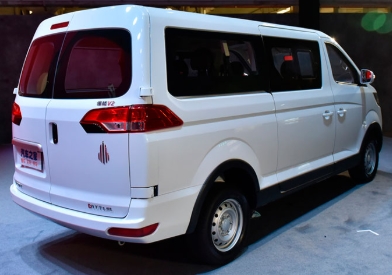
The Ruixiang Boteng V2 is a Chinese multi-purpose vehicle (MPV) and light commercial van produced by BAIC Ruixiang. Although the Boteng V2 officially entered the market in 2022, its origins can be traced back to the Huansu H6, a vehicle introduced several years earlier under the BAIC Yinxiang joint venture. The Boteng V2 represents the continuation of a practical commercial vehicle platform that survived a major corporate restructuring and reemerged under a new brand. Today, the model serves both passenger and cargo transportation roles in the Chinese market and has also spawned an electric variant aimed at commercial fleet operators.
Origins: The Huansu H6 (2016–2018)
The story of the Boteng V2 begins with the Huansu H6. Introduced at the 2016 Guangzhou Auto Show, the H6 was developed by Huansu, a brand operated by BAIC Yinxiang, a joint venture between Beijing Auto (BAIC) and the Yinxiang Group. The vehicle was designed as a rear-wheel-drive MPV and light-duty commercial van, targeting small businesses, passenger transport operators, and logistics companies.
The Huansu H6 entered production in late 2016 and remained in production through 2018. It featured a practical box-shaped body, generous cargo capacity, and multiple seating arrangements. Available engines included 1.5-liter and 1.8-liter naturally aspirated four-cylinder gasoline units paired with a five-speed manual transmission.
Huansu offered the H6 in numerous configurations:
- 2-seat logistics version
- 5-seat logistics version
- 6-seat passenger version
- 7-seat passenger version
- 9-seat passenger version
These configurations allowed the H6 to serve a wide range of commercial and passenger transportation needs.
.
MANY auto lovers not only spend time in their garages to tinker on their autos, but have other projects going on in there as well. Wood working is a popular pastime for the creative type of individual. Not sure what to make next? Or thinking about getting into this kind of hobby? There’s lots of possibilities… Here’s some of them…

.
Corporate Crisis and Brand Transformation
The future of the H6 became uncertain when the Yinxiang Group encountered severe financial difficulties. Vehicle production largely stopped during 2018, and efforts to restart operations in 2019 were unsuccessful. The company eventually entered bankruptcy and restructuring proceedings, culminating in a reorganization completed during 2021. Following the restructuring, BAIC Ruixiang Automobile was established as the successor company. Several former Huansu models were revived under the new Ruixiang brand.
The Huansu H6 platform survived this transition and was selected for relaunch as the Ruixiang Boteng V2. The revival allowed BAIC Ruixiang to quickly reestablish a commercial vehicle lineup without developing an entirely new platform.
Introduction of the Ruixiang Boteng V2 (2022–Present)
The Ruixiang Boteng V2 debuted in 2022 as a refreshed and rebadged version of the former Huansu H6. While the underlying structure remained largely unchanged, the vehicle received a redesigned front fascia and updated branding that aligned it with BAIC Ruixiang’s new corporate identity.
Production began in 2022 and continues today. The vehicle remains positioned as a practical MPV and commercial transport vehicle aimed primarily at the Chinese domestic market. Like its predecessor, the Boteng V2 emphasizes affordability, utility, and versatility rather than luxury or advanced technology.
The Boteng V2 uses a body measuring approximately 194 inches long (4,925 mm), 72 inches wide (1,834 mm), and 78 inches high (1,980 mm), making it one of the larger vehicles in its class. The design maximizes interior volume while maintaining relatively simple engineering and low operating costs.
Powertrain and Mechanical Specifications
The gasoline-powered Boteng V2 is equipped with a naturally aspirated 1.5-liter four-cylinder engine. This engine is shared with the related Ruixiang Boteng V1 and is paired with a five-speed manual transmission. Rear-wheel drive remains a key feature, helping the vehicle maintain strong cargo-carrying capability.
The Boteng V2 retains the commercial-oriented engineering philosophy of the original H6, emphasizing durability and ease of maintenance. These qualities are particularly important for fleet operators, small businesses, and transportation services that prioritize operating costs over performance.
Trim Levels and Configurations
Although BAIC Ruixiang’s trim structure has varied depending on market and application, documented Boteng V2 variants introduced since 2022 include:
Passenger Models
- Boteng V2 Coach Standard Type
- Boteng V2 Coach Comfort Type
These versions are designed primarily for passenger transport and small-scale shuttle operations.
Commercial Models
- Boteng V2 Van Transport Truck Super Value Edition
This configuration is intended for cargo transportation and logistics services. It prioritizes cargo space and utility over passenger accommodations.
Seating Configurations
Building on the H6 platform’s flexibility, the Boteng V2 has been available in various seating layouts derived from its predecessor’s design philosophy, including commercial cargo arrangements and multi-row passenger versions.
The Boteng V2 EV
A significant milestone in the model’s evolution occurred in 2022 with the introduction of the Boteng V2 EV. This electric version became BAIC Ruixiang’s first new-energy commercial vehicle. Launched at the Chongqing International Automobile Exhibition, the EV variant was marketed as a wide-body multifunctional cargo van. It was offered in three versions and targeted commercial operators seeking lower operating costs and compliance with increasingly strict urban emissions regulations.
The Boteng V2 EV featured:
- Fully electric powertrain
- Approximately 95 horsepower electric motor
- 260-kilometer NEDC driving range
- Cargo-focused interior layout
- Commercial delivery and logistics applications
The introduction of the EV demonstrated BAIC Ruixiang’s intention to modernize its commercial vehicle lineup while maintaining the practical strengths of the original platform.
Market Position
The Boteng V2 occupies a niche segment within China’s commercial vehicle market. Rather than competing directly with premium MPVs, it targets small businesses, logistics operators, passenger shuttle services, and fleet customers seeking affordable transportation solutions. Its relatively simple design and proven platform help keep acquisition and maintenance costs low.
The vehicle also forms part of BAIC Ruixiang’s broader Boteng family, which includes the smaller Boteng V1 and the Boteng M3. Together, these models provide the company with a range of commercial transportation products.
Future Outlook
As of 2026, the Ruixiang Boteng V2 remains in production. The continued expansion of China’s commercial EV sector suggests that future development may focus increasingly on electric variants rather than major redesigns of the gasoline-powered model. The success of the Boteng V2 EV indicates that BAIC Ruixiang recognizes the growing importance of electrification in urban logistics and commercial transportation.
Future updates could include improved battery technology, enhanced safety equipment, upgraded connectivity features, and additional electric commercial variants. However, the vehicle’s core mission is likely to remain unchanged: providing affordable, practical transportation for businesses and fleet operators.
The Ruixiang Boteng V2 represents a rare example of a vehicle platform surviving the collapse and restructuring of its original manufacturer. Beginning life as the Huansu H6 in 2016, the model weathered the bankruptcy of the Yinxiang Group and reemerged under the BAIC Ruixiang brand in 2022. Today, it continues to serve China’s commercial transportation market in both gasoline and electric forms.
Its evolution reflects broader trends within the Chinese automotive industry, including corporate consolidation, platform reuse, and the growing transition toward electrified commercial vehicles. While it may not be a high-profile model internationally, the Boteng V2 remains an important vehicle within its intended market, offering practical transportation solutions backed by a platform that has now been in continuous development for nearly a decade.