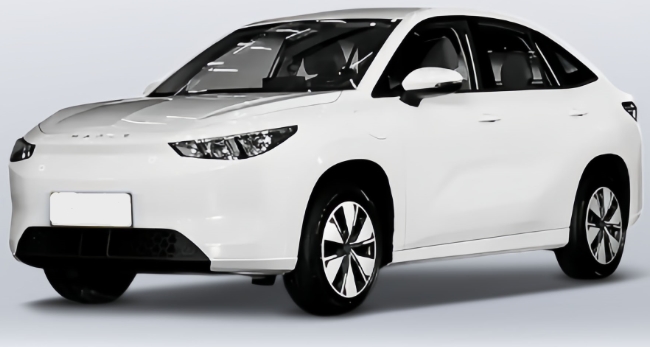
The Evolution of the Seres E1: DFSK’s Compact Electric City Car
The Seres E1 represents one of the most affordable and compact electric vehicles developed by Seres Group and DFSK Motor. Introduced during the growing demand for low-cost urban electric transportation, the E1 was designed to compete directly with micro electric vehicles such as the Wuling Hongguang Mini EV, Chery QQ Ice Cream, and other small city-focused EVs emerging from China’s rapidly expanding electric vehicle market.
Produced from 2022 to the present under several names and regional brands, the Seres E1 evolved from the original Fengon Mini EV project into a globally marketed electric city car aimed at developing markets and urban commuters. The vehicle combines compact dimensions, simple electric technology, and low operating costs in a package intended primarily for city driving.
Although still relatively new, the Seres E1 has already become an important part of DFSK’s broader electrification strategy, helping the company expand into the affordable electric mobility segment across Southeast Asia, South America, Europe, and other international regions.
Origins of the Seres E1
The Seres E1 traces its origins to DFSK Motor’s development of the Fengon Mini EV, a compact battery-electric city car first revealed in late 2021. DFSK Motor, a joint venture originally formed between Dongfeng Motor Corporation and Sokon Industry Group, had already established itself in the crossover SUV segment through models such as the Glory 580 and Glory 560. However, the company recognized the rapidly increasing demand for small electric city vehicles in China.
The success of vehicles like the Wuling Hongguang Mini EV demonstrated that consumers were interested in inexpensive electric transportation designed specifically for urban use. DFSK responded by developing its own micro-EV platform. Early prototype versions were initially shown under names such as the DFSK Sokon Candy before the model officially entered production in 2022 as the Fengon Mini EV.
The vehicle later entered export markets under different branding, including:
- Seres E1
- DFSK Candy
- Fengon Mini EV
- Sokon Candy
- Ecocar G300
- GuGo GIGI EV
Indonesia became one of the first major export markets to adopt the “Seres E1” name officially during 2023.
.

.
First Generation Seres E1 (2022–Present)
The first-generation Seres E1 entered production in 2022 and remains in production today.
The vehicle was designed as a compact electric city car featuring:
- Rear-mounted electric motor
- Rear-wheel-drive layout
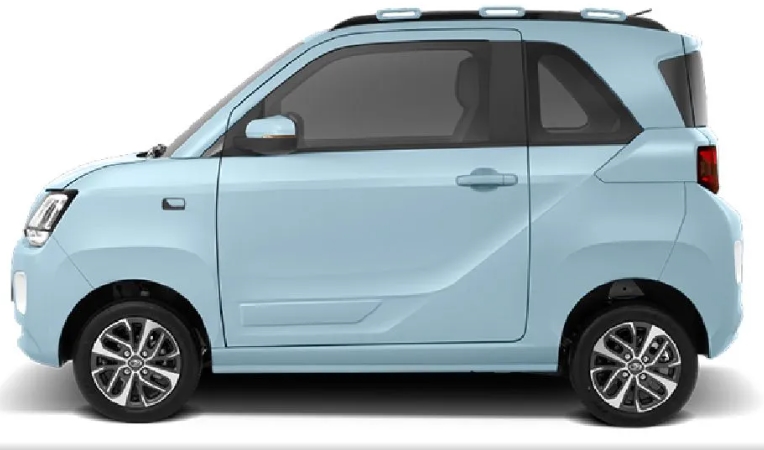
- Three-door hatchback body style
- Four-passenger seating
- Compact urban dimensions
Dimensionally, the E1 was intentionally small in order to maximize maneuverability in crowded urban environments.
| Specification | Measurement |
|---|---|
| Length | 117.9 inches |
| Width | 58.9 inches |
| Height | 64.6 inches |
| Wheelbase | 77.2 inches |
These dimensions placed the Seres E1 directly within the micro-EV category. The compact size made parking easier while also reducing vehicle weight and improving efficiency.
Exterior Design Evolution
The Seres E1 adopted a youthful and modern appearance compared with many earlier low-cost electric city cars.
Exterior styling features included:
- Rounded body design
- LED projector headlights
- Two-tone color combinations
- Compact crossover-inspired proportions
- Large windshield area
- Simple aerodynamic bodywork
When the production-ready Seres E1 was introduced in Indonesia during 2023, DFSK updated several exterior elements compared with the earlier DFSK Mini EV concept shown previously.
Changes included:
- LED front lighting replacing halogen lamps
- Redesigned front and rear bumpers
- Dual-tone alloy wheels
- Roof rails
- Revised grille treatment
The redesign gave the E1 a more upscale and modern appearance compared with the earlier prototype versions.
Interior Development
One of the most noticeable improvements over the original Mini EV concept involved the interior.
The production Seres E1 featured:
- Digital instrument display
- Central infotainment touchscreen
- Redesigned dashboard layout
- Improved trim materials
- Right-hand-drive conversion for export markets
- Rotary drive selector
DFSK also introduced more colorful interior styling themes featuring gold-colored dashboard accents and brighter trim combinations intended to appeal to younger urban buyers.
Although compact, the cabin provided seating for four passengers and sufficient practicality for short city trips.
Battery and Powertrain Options
The Seres E1 was offered with several battery configurations depending on market and trim level.
Standard Range Models
The entry-level versions used smaller lithium iron phosphate battery packs.
| Battery Capacity | Estimated Range |
|---|---|
| 9.18 kWh | Approximately 75 miles |
| 13.8 kWh | Approximately 110 miles |
These versions were designed primarily for urban commuting and short-distance driving.
Long Range Models
Higher trims introduced a larger battery pack.
| Battery Capacity | Estimated Range |
|---|---|
| 16.8 kWh | Approximately 140 miles |
The larger battery significantly improved driving range while still maintaining the vehicle’s lightweight design.
Electric Motor Specifications
The E1 used a permanent magnet synchronous electric motor mounted at the rear.
Power outputs varied slightly depending on battery version:
| Version | Output |
|---|---|
| Standard Models | Approximately 34 hp |
| Long Range Models | Approximately 41 hp |
Torque output remained around 74 lb-ft across most variants.
The modest power figures were sufficient because of the vehicle’s extremely light curb weight, which ranged between approximately 1,488 and 1,609 pounds.
Trim Levels and Model Variants
The Seres E1 lineup varied by market, though several common trims emerged during production.
2022 Chinese Market Models
The initial Fengon Mini EV lineup in China included:
| Trim Level | Battery |
|---|---|
| Basic | 9.18 kWh |
| Comfort | 13.8 kWh |
| Premium | 16.8 kWh |
These trims focused primarily on range and comfort differences.
Indonesian Market Models (2023–Present)
When the Seres E1 officially launched in Indonesia during 2023, the lineup consisted mainly of:
| Trim Level | Main Features |
|---|---|
| E1 B-Type | Standard range equipment |
| E1 L-Type | Long-range battery and upgraded features |
The B-Type served as the entry-level model, while the L-Type introduced additional convenience and technology equipment.
DFSK Candy Variants
In the Philippines and some export markets, the vehicle was marketed as the DFSK Candy beginning in 2024.
These versions typically mirrored the E1 trim structure but adopted localized branding and equipment packages.
Technology and Equipment
Despite its low-cost positioning, the Seres E1 offered a respectable amount of technology for a micro-EV.
Available features included:
- Touchscreen infotainment systems
- Bluetooth connectivity
- Digital driver displays
- Rear parking camera
- LED lighting
- Keyless entry
- Power windows
- Air conditioning
- Smartphone connectivity
Higher trims also added upgraded wheel designs and additional convenience features.
Market Reception
The Seres E1 entered an increasingly competitive segment dominated by inexpensive Chinese electric city cars.
Positive aspects frequently noted by reviewers and buyers included:
- Low purchase price
- Compact dimensions
- Easy urban maneuverability
- Low operating costs
- Modern appearance
- Decent equipment levels
However, some criticisms included:
- Limited highway capability
- Shorter driving range compared with larger EVs
- Small cargo capacity
- Limited high-speed performance
The E1 was particularly successful in crowded urban markets where compact size and affordability mattered more than long-distance capability.
Production Timeline
| Model | Years Produced |
|---|---|
| Fengon Mini EV | 2022–present |
| Seres E1 B-Type | 2023–present |
| Seres E1 L-Type | 2023–present |
| DFSK Candy | 2024–present |
| GuGo GIGI EV | 2024–present |
Production continues today at facilities in Chongqing, China, and selected overseas assembly plants.
Future Outlook
The future of the Seres E1 appears closely connected to the continued expansion of affordable electric transportation. As urban areas increasingly encourage smaller and more efficient electric vehicles, micro-EVs like the E1 may continue gaining popularity in developing markets.
Future updates are expected to include:
- Improved battery technology
- Longer driving range
- Faster charging systems
- Expanded infotainment features
- Additional safety technology
The Seres E1 also demonstrates how rapidly Chinese automakers have adapted to changing automotive trends. What began as a low-cost response to the Wuling Mini EV evolved into an internationally marketed electric city car sold under multiple brands and configurations.
Although still a niche vehicle in many regions, the Seres E1 represents an important part of DFSK and Seres Group’s broader transition toward electrified mobility and affordable urban transportation.