The Evolution of the Volkswagen Lavida: China’s Best-Selling Compact Sedan
The Volkswagen Lavida is a compact sedan produced by SAIC-Volkswagen, developed specifically for the Chinese market. First introduced in 2008, it quickly became one of the most successful Volkswagen nameplates in China and a cornerstone of the brand’s localized product strategy. Over time, the Lavida evolved through multiple generations, facelifts, body-style extensions, electric variants, and an expanding trim structure tailored to China’s highly competitive compact sedan segment.
Unlike global Volkswagen models derived from the Golf or Jetta lineage, the Lavida was originally designed with a stronger focus on rear-seat space, comfort, and affordability, reflecting the priorities of Chinese family buyers. It has remained in production for nearly two decades and continues to be one of Volkswagen’s most important China-only models.
First Generation (2008–2012): The Foundation of a Bestseller
The Lavida was launched at Auto China 2008 in Beijing, marking the beginning of a new China-specific Volkswagen strategy. It was developed jointly with SAIC Volkswagen and built on a platform related to the Volkswagen Group’s older compact architecture.
The first-generation Lavida was heavily localized in design and engineering. While it shared some components with global Volkswagen models like the Bora and Golf Mk4-derived platforms, it featured a longer wheelbase and a body tuned specifically for Chinese preferences, particularly rear legroom and ride comfort.
First-generation trim levels (typical structure)
Across its early lifecycle, the trim lineup was relatively simple:
- Base (Standard) Trim
- 1.6-liter or 2.0-liter naturally aspirated engines
- Manual transmission standard
- Basic air conditioning and fabric interior
- Minimal infotainment features
- Comfort Trim
- Power accessories (windows, mirrors)
- Upgraded upholstery
- Optional automatic transmission
- Improved interior trim materials
- Luxury Trim
- Alloy wheels
- Enhanced audio system
- Additional chrome exterior accents
- Comfort-oriented features like rear armrests
- Premium Trim (top specification in some years)
- Sunroof
- Leather upholstery
- Parking sensors (later additions)
- Higher-quality interior finishes
This generation quickly became popular due to its spacious rear seating, conservative styling, and Volkswagen brand reliability. By 2010, it was already one of the best-selling cars in China.
.
THIS could come in handy for your auto garage (and everywhere else!):

.
Second Generation (2012–2018): Growth and Refinement
The second-generation Lavida introduced a more modern design language and improved efficiency. It was still based on an updated version of Volkswagen Group’s compact architecture but benefited from incremental engineering improvements.
This generation emphasized:
- Better fuel efficiency
- Improved safety equipment
- More refined interior materials
- Expanded infotainment availability
A mid-cycle facelift in 2015 further modernized the design, introducing a more angular front fascia and updated lighting systems.
Second-generation trim levels
The structure became more standardized and aligned with Volkswagen’s global naming approach:
- Trendline (Base Trim)
- Essential equipment package
- Manual transmission standard
- Basic infotainment
- Comfortline
- Alloy wheels
- Automatic transmission option
- Improved interior materials
- Rear parking sensors (later years)
- Highline
- Leather seating surfaces
- Sunroof
- Larger infotainment screen
- Chrome exterior detailing
This generation solidified the Lavida’s reputation as a “safe, practical family sedan” and helped it remain among China’s top-selling vehicles throughout the mid-2010s.
Third Generation (2018–2022): MQB Revolution and Modernization
The third-generation Lavida, launched at Auto China 2018, marked a major technological leap. It was the first Lavida built on the Volkswagen MQB platform, bringing it closer in engineering to global Volkswagen models such as the Golf and Jetta.
This generation featured:
- Longer wheelbase (improved rear legroom)
- More rigid and modern chassis architecture
- New turbocharged engine options
- Fully updated infotainment and connectivity systems
- Improved safety systems
Engine options typically included:
- 1.5-liter naturally aspirated engine (113–116 horsepower)
- 1.4-liter TSI turbocharged engine (150 horsepower)
Third-generation trim structure
Volkswagen simplified and modernized trim naming during this period:
- Base / 1.5L Manual or Automatic
- Entry-level MQB Lavida
- Standard infotainment
- Basic safety package
- Comfortline
- Upgraded interior materials
- Alloy wheels
- Improved connectivity system
- Optional sunroof
- Highline
- Turbocharged engine availability
- Larger touchscreen infotainment system
- Advanced driver assistance features
- Chrome styling package
Additional variants during this generation
- Gran Lavida (Estate/Wagon, 2018–2019)
A wagon version targeting buyers who wanted more cargo space. It had similar trim structures but was less popular than the sedan variant. - e-Lavida (2019–2022)
A fully electric version with a 38.1 kWh battery and around 278 km of range.
2022 Facelift: Refinement of the MQB Generation
In 2022, the third generation received a significant facelift. This update brought:
- Revised front and rear styling
- Updated interior layout
- Improved infotainment software
- Expanded driver assistance features
- More efficient engine calibration
The facelifted Lavida continued to offer both the 1.5-liter engine and the 1.4 TSI turbo, with DSG automatic transmissions becoming more common in higher trims.
Updated trim structure (facelift era)
- Base Trim
- Standard MQB feature set
- Manual or automatic transmission
- Comfort Trim
- Upgraded interior materials
- Improved infotainment screen
- Rear camera standardization
- Luxury / Highline Trim
- Turbo engine availability
- Larger digital displays
- Enhanced safety systems
- Premium interior finishes
Lavida XR (2023–Present): A Parallel Entry Model
In 2023, Volkswagen introduced the Lavida XR, a separate model derived from the Volkswagen Virtus. It replaced older entry-level Lavida variants and the Santana in some configurations.
The Lavida XR is designed to:
- Target younger buyers
- Offer a lower-cost alternative to the Lavida L
- Provide simplified mechanical and tech configurations
It is powered by a 1.5-liter engine producing around 110 horsepower with a 6-speed automatic transmission.
Lavida XR trims
- Base
- Comfort
- Top / Premium (market-dependent naming)
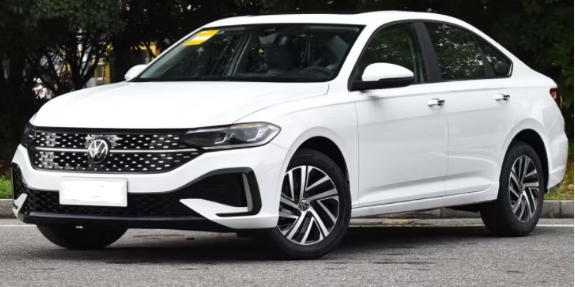
Fourth Generation (Lavida Pro, 2025–Present)
The latest evolution arrived in late 2025, when Volkswagen launched the Lavida Pro. This model represents a significant redesign and continues the MQB Evo platform direction.
Key improvements include:
- Larger overall body size
- Fully redesigned exterior styling
- New digital cockpit systems
- Advanced infotainment with connected services
- Improved safety and driver assistance technologies
Lavida Pro trim levels
- Standard Trim
- Core digital cockpit
- Entry infotainment system
- Essential safety features
- Comfort Trim
- Larger screens
- Enhanced interior materials
- Expanded connectivity
- Luxury Trim
- Premium infotainment suite
- Advanced driver assistance systems
- Higher-grade interior finishes
- Flagship Trim
- Full digital cockpit experience
- AR-style head-up display (in select configurations)
- Top-tier comfort and safety systems
Market Position and Competition
Across all generations, the Volkswagen Lavida has consistently targeted:
- Compact family sedan buyers
- Urban commuters in China
- Budget-conscious Volkswagen customers
Its main competitors include:
- Toyota Corolla (China market version)
- Honda Civic
- Nissan Sylphy
- Geely Emgrand
Its success has been driven by:
- Strong rear-seat space
- Conservative, widely accepted design
- Volkswagen brand trust in China
- Continuous platform upgrades
Sales Success and Importance
The Lavida has repeatedly ranked among China’s best-selling cars, with peak annual sales exceeding 500,000 units in some years. Its long-term popularity helped establish SAIC-Volkswagen as one of the strongest joint ventures in the Chinese automotive market.
Future Outlook
The Volkswagen Lavida is expected to continue evolving in three major directions:
1. Electrification
Future Lavida models are likely to include:
- More hybrid variants
- Expanded electric derivative strategies
- Improved battery integration in China-specific platforms
2. Digitalization
Volkswagen is pushing:
- Larger infotainment systems
- AI-assisted driving functions
- Continuous OTA software updates
3. Platform consolidation
Future Lavida generations will likely rely more heavily on MQB Evo derivatives or next-generation modular platforms shared across Volkswagen Group China products.
The Volkswagen Lavida has evolved from a localized 2008 compact sedan into one of China’s most successful long-running automotive nameplates. Across four generations, multiple facelifts, electric variants, and expanded trim strategies, it has continuously adapted to changing market demands while maintaining its core identity as a spacious, reliable, and affordable family sedan.
Its ongoing development into the Lavida Pro signals that Volkswagen remains committed to the model as a key pillar of its China strategy well into the next decade.