The Evolution of the Brilliance BS4: The Sedan That Carried Brilliance Into Global Markets
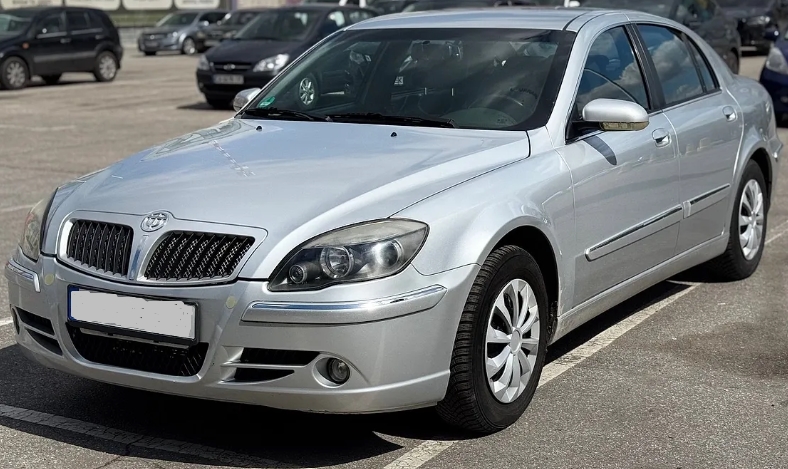
The Brilliance BS4 was one of the most important passenger cars produced by Brilliance Auto during the 2000s and early 2010s. Known in China as the Zhonghua Junjie and in some export markets as the Brilliance M2 or Brilliance Splendor, the BS4 was developed as a compact-to-mid-size sedan designed to bridge the gap between affordable domestic Chinese vehicles and more expensive international competitors. Combining Italian styling, European engineering influences, and competitive pricing, the BS4 became a cornerstone of the Brilliance lineup and one of the company’s most ambitious export products.
Produced from 2006 through 2014, with some markets continuing sales into 2015 and 2016, the BS4 evolved through multiple updates, expanded powertrain offerings, and the addition of a wagon variant. Although it faced challenges in international markets, particularly regarding safety perceptions, the BS4 remains a significant chapter in the history of both Brilliance Auto and the broader Chinese automotive industry.
Origins and Development
The BS4 was developed as a smaller companion to the larger Brilliance BS6 executive sedan. Introduced at the 2005 Shanghai Auto Show and launched for the Chinese market in 2006, the vehicle was intended to appeal to buyers seeking European-inspired styling and generous interior space at a competitive price. The model was known domestically as the Zhonghua Junjie, while export markets received various names, including BS4, M2, and Splendor.
The car’s exterior styling was created by the renowned Italian design house Pininfarina. In addition, Brilliance worked with international engineering partners during development, with some sources noting cooperation with Porsche Engineering and the use of technology influenced by Brilliance’s relationships with Mitsubishi and BMW. These partnerships helped give the BS4 a more sophisticated image than many Chinese vehicles of the period.
Built on a front-wheel-drive platform, the BS4 featured a wheelbase of approximately 109.8 inches and dimensions that placed it between the compact and mid-size segments. The result was a spacious family sedan capable of accommodating five passengers comfortably.
.
NO MORE dead batteries with this:

.
First Generation Launch (2006–2008)
Production began in early 2006 at Brilliance’s manufacturing facility in Shenyang, China. Initially offered as a four-door sedan, the BS4 entered a highly competitive market dominated by both domestic manufacturers and joint-venture brands. Nevertheless, its modern styling and attractive pricing helped it establish a strong presence in China.
Early engine offerings included:
- 1.6-liter four-cylinder gasoline engine producing approximately 100 horsepower
- 1.8-liter naturally aspirated four-cylinder engine producing approximately 134–136 horsepower
- 2.0-liter four-cylinder engine producing approximately 130 horsepower
Transmission options included five-speed manual, four-speed automatic, and later five-speed automatic gearboxes depending on market and engine choice.
Early Trim Levels
During the initial years, trim names varied by market, but the most common configurations included:
1.6 MT
The entry-level model featured:
- Manual transmission
- Air conditioning
- Power steering
- Power windows
- Dual front airbags
1.6 MT Deluxe
This trim added:
- Alloy wheels
- Enhanced interior trim
- Additional convenience equipment
- Improved audio system
1.8 MT
The naturally aspirated 1.8-liter model provided improved performance while maintaining affordability. It was often positioned as the value-oriented mid-range model.
1.8 MT Deluxe
This version combined the larger engine with upgraded comfort and appearance features.
These early models helped establish the BS4 as one of Brilliance’s most important passenger vehicles. Sales were strong during the first years of production, with the model becoming one of the company’s best-selling products.
Expansion of the Lineup
As demand grew, Brilliance expanded the BS4 family.
Wagon Variant (2008)
In 2008, the company introduced a station wagon version of the BS4. Designed by Lowie Vermeersch, who was associated with Pininfarina, the wagon offered increased cargo capacity while retaining the sedan’s styling and mechanical components. The addition broadened the vehicle’s appeal among families and business users.
The wagon was offered with many of the same engines and trim levels as the sedan and became available in several export markets.
Introduction of Turbocharged Models
One of the most significant developments in the BS4’s evolution was the introduction of Brilliance’s own turbocharged engine technology.
1.8T Turbo
The turbocharged 1.8-liter four-cylinder engine produced approximately 167–170 horsepower depending on specification. This represented a significant increase over the naturally aspirated engines and transformed the BS4 into a much more competitive performer.
The turbocharged engine was typically paired with:
- Four-speed automatic transmission
- Five-speed manual transmission
- Six-speed manual transmission in certain markets
These variants helped elevate the BS4 beyond its budget-oriented origins and demonstrated Brilliance’s growing engineering capabilities.
Later Trim Levels (2009–2014)
As the model matured, Brilliance expanded the trim lineup to better compete with domestic and international rivals.
The most commonly documented trims included:
1.6 MT
The basic model remained focused on affordability.
1.6 MT Deluxe
Added upgraded interior and exterior equipment.
1.8 MT
Provided improved performance while maintaining a manual transmission.
1.8 MT Deluxe
Combined the larger engine with enhanced comfort features.
1.8 AT
Introduced automatic-transmission convenience to the 1.8-liter engine lineup.
1.8 AT Deluxe
Added luxury-oriented equipment and styling enhancements.
1.8 AT Premium
The flagship trim offered:
- Leather upholstery
- GPS navigation
- Bluetooth connectivity
- Parking sensors
- Additional safety and convenience features
The Premium model represented the highest specification available for the BS4 and demonstrated how far the vehicle had evolved from its original entry-level positioning.
International Markets
The BS4 played a major role in Brilliance’s export ambitions. The company planned to launch the vehicle in Germany and other European countries beginning in 2007. However, concerns stemming from crash-test performance and subsequent delays complicated the rollout. Despite structural improvements, later crash tests still produced disappointing results, which negatively affected the vehicle’s reputation in Europe.
Even so, the BS4 was sold in several international markets, including:
- Germany
- Egypt
- Eastern Europe
- Middle Eastern countries
- North Korea, where it was produced as the Pyeonghwa Hwiparam II
Assembly operations in Egypt further expanded the model’s global reach.
Technical Specifications
Throughout production, the BS4 featured:
- Front-engine, front-wheel-drive layout
- Four-door sedan and five-door wagon body styles
- Independent front suspension
- Independent rear suspension
- Disc brakes
- Five-passenger seating
Engine options included:
- 1.6-liter naturally aspirated four-cylinder
- 1.8-liter naturally aspirated four-cylinder
- 1.8-liter turbocharged four-cylinder
- 2.0-liter naturally aspirated four-cylinder
Available transmissions included four-speed automatic, five-speed automatic, five-speed manual, and six-speed manual gearboxes.
End of Production
By the early 2010s, competition in China’s passenger car market had intensified significantly. Newer vehicles offered more advanced technology, improved safety systems, and modern infotainment features. At the same time, consumer demand increasingly shifted toward crossover SUVs.
As a result, BS4 sales gradually declined. Production ended in 2014, with remaining inventory and limited sales continuing in some markets into 2015 and 2016. Unlike some other Brilliance models, the BS4 did not receive a direct successor.
Legacy and Future Outlook
The Brilliance BS4 remains one of the most important vehicles ever produced by Brilliance Auto. It represented a major effort by a Chinese manufacturer to compete on a global stage and showcased the industry’s growing confidence during the 2000s. Its collaboration with Pininfarina, broad range of engines, and extensive trim lineup helped establish a higher standard for domestic Chinese sedans.
Although the BS4 is no longer in production, its influence can be seen in later Brilliance models that emphasized international styling, improved engineering, and greater refinement. The vehicle also serves as an important historical example of the challenges Chinese automakers faced when entering mature global markets. While Brilliance itself has undergone significant restructuring in recent years, the BS4 remains a landmark model that helped shape the company’s identity and contributed to the broader evolution of China’s modern automotive industry.