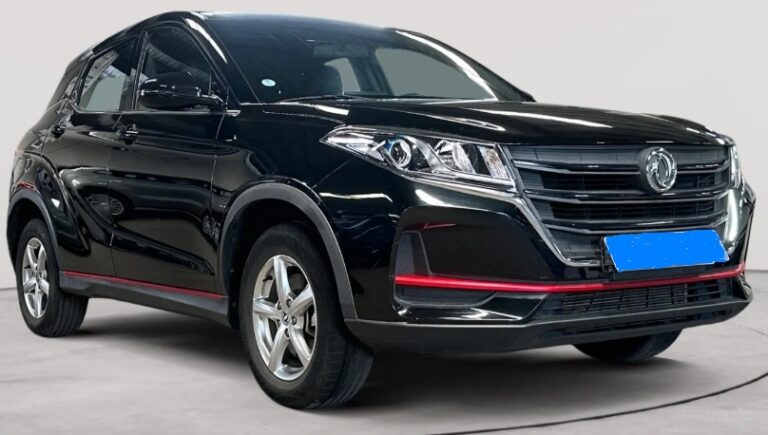
BAW Brumby: Evolution of a Modern Micro EV Inspired by a Classic Utility Nameplate
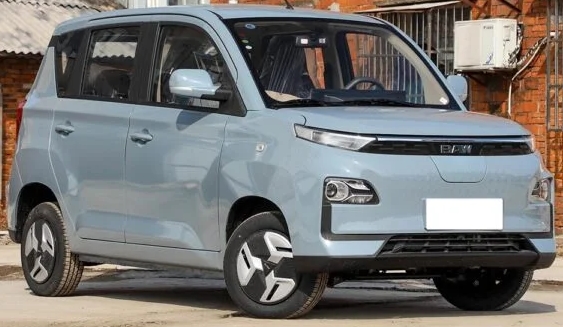
The BAW Brumby is a modern electric micro-vehicle produced by Beijing Automobile Works (BAW). Despite sharing its name with the iconic Subaru Brumby (also known as the BRAT in North America), the BAW Brumby is an entirely separate model developed in the 2020s as part of China’s rapidly expanding low-speed and compact electric vehicle market. Designed for urban mobility, the Brumby reflects BAW’s strategy of leveraging recognizable global-style naming while delivering affordable, lightweight electric transportation for city environments.
Unlike traditional pickups or SUVs, the BAW Brumby is not a rugged off-road vehicle. Instead, it is a compact electric city car that emphasizes low cost, efficiency, and minimal operating complexity.
Origins and Development
The BAW Brumby emerged during the early 2020s, a period when Chinese automakers rapidly expanded into micro electric vehicles. This segment grew in response to rising urban congestion, demand for affordable EV ownership, and government incentives promoting new-energy vehicles.
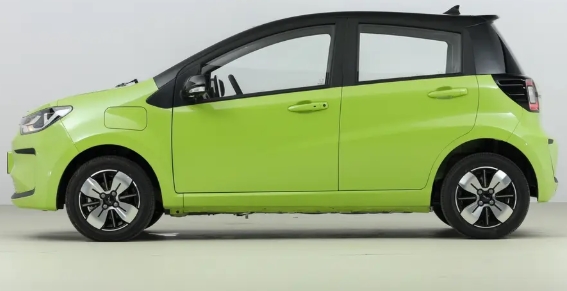
BAW, historically known for military vehicles and utilitarian SUVs like the BJ212 and BAW Warrior series, entered the micro-EV segment to diversify its portfolio. The Brumby name was applied to a compact hatchback-style EV designed for short-distance urban travel and low-speed commuting.
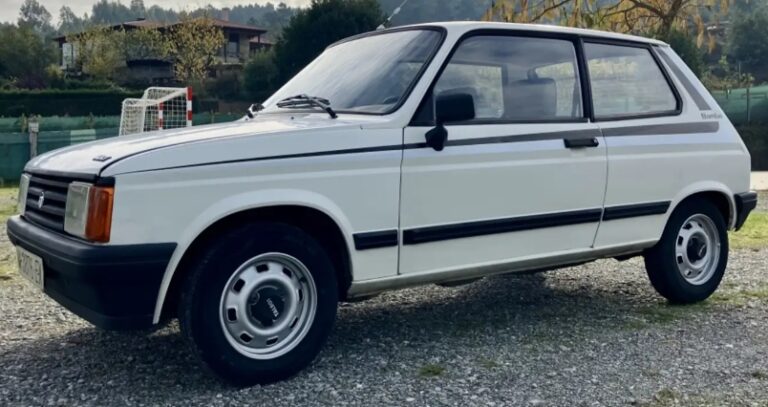
While the name “Brumby” has historical automotive associations in Australia and Japan (notably the Subaru Brumby ute produced until 1994), the BAW version is unrelated mechanically or structurally and uses a completely different electric platform.
.
MANY auto lovers not only spend time in their garages to tinker on their autos, but have other projects going on in there as well. Wood working is a popular pastime for the creative type of individual. Not sure what to make next? Or thinking about getting into this kind of hobby? There’s lots of possibilities… Here’s some of them…

.
Production Timeline (Years Produced)
Based on export listings and manufacturer documentation, the BAW Brumby follows this production timeline:
| Year | Status |
|---|---|
| 2023 | Model introduction and early production begins |
| 2024 | Expanded production and export listings appear |
| 2025 | Continued production with minor configuration updates |
| 2026 | Ongoing production |
As of 2026, the model remains in production and is marketed primarily in emerging EV markets and select export regions.
Platform and Engineering
The BAW Brumby is built on a compact electric vehicle platform designed specifically for low-cost urban mobility.
Key engineering characteristics include:
- Compact monocoque body structure
- Rear-wheel-drive electric motor layout (in some configurations)
- Lithium iron phosphate (LFP) battery chemistry
- Simplified drivetrain with single-speed reduction gearing
- Lightweight construction for efficiency
The use of LFP batteries prioritizes durability, thermal stability, and cost efficiency over high energy density, which aligns with the vehicle’s city-focused mission.
Dimensions and Core Specifications
Although exact configurations may vary slightly by market, the Brumby generally maintains micro-EV proportions:
- Length: approximately 139 inches (about 3,530 millimeters)
- Width: approximately 59 inches (about 1,500 millimeters)
- Height: approximately 63 inches (about 1,605 millimeters)
- Wheelbase: approximately 89 inches (about 2,275 millimeters)
- Seating capacity: 4 passengers
These dimensions place it firmly in the A00-class microcar category, optimized for dense urban environments, narrow roads, and tight parking spaces.
Powertrain Evolution
Early Models (2023–2024)
The initial BAW Brumby models were equipped with a basic electric drivetrain focused on affordability and short-range commuting:
- Motor output: approximately 27 to 30 kilowatts (about 36 to 40 horsepower)
- Top speed: around 62 miles per hour (100 kilometers per hour)
- Battery capacity: roughly 15 to 17 kilowatt-hours (varies by version)
- Driving range: approximately 110 to 130 miles (CLTC cycle estimate)
These specifications made the Brumby suitable for short city commutes, delivery services, and low-speed municipal use.
Updated Variants (2025–2026)
Later versions introduced incremental refinements rather than major mechanical changes:
- Improved battery management software
- Slight efficiency gains in range
- Expanded export configuration options
- Minor interior and infotainment updates depending on market
The core motor output and platform architecture remained unchanged, reflecting the vehicle’s cost-sensitive positioning.
Models and Trim Levels
The BAW Brumby does not use a traditional automotive trim hierarchy like “base,” “mid,” or “luxury” in a consistent global sense. Instead, configuration differences are based on export requirements and equipment packages.
Documented Variants
| Model / Variant | Years | Description |
|---|---|---|
| BAW Brumby Standard | 2023–2026 | Core domestic configuration |
| BAW Brumby Export Version | 2024–2026 | Market-specific equipment and compliance changes |
| Brumby RHD Variant | 2024–2026 | Right-hand drive export version |
| Brumby Long-Range Package | 2025–2026 | Increased battery efficiency variant (market-dependent) |
Across all versions, differences typically include:
- Battery size or software tuning
- Infotainment screen availability
- Safety equipment compliance (airbags, sensors depending on region)
- Steering orientation for export markets
- Cosmetic wheel and interior trim variations
There is no evidence of a fully standardized multi-trim lineup with distinct names across all markets.
Interior and Features
The interior of the BAW Brumby is designed for functional urban use rather than comfort luxury.
Typical features include:
- Four-seat compact cabin layout
- Basic digital instrument cluster
- Central infotainment display (on higher-spec versions)
- Air conditioning system
- Power windows (select configurations)
- Simple connectivity options depending on region
Higher-spec export models may include additional safety equipment or upgraded infotainment systems depending on regulatory requirements.
Market Position
The BAW Brumby competes in the rapidly growing micro EV segment, which is one of the most competitive automotive categories in China.
Its primary advantages include:
- Extremely low purchase price
- Very low operating and charging costs
- Compact size for dense urban use
- Simple maintenance requirements
- Easy driving characteristics
It competes with other low-cost micro EVs designed for urban commuting rather than highway travel or long-distance driving.
Export Strategy
BAW markets the Brumby internationally under consistent naming, though configurations vary by region. Export adaptations typically include:
- Left-hand or right-hand drive layouts
- Compliance with local lighting and safety regulations
- Adjusted charging standards
- Market-specific infotainment options
This flexible approach allows the Brumby to be sold in multiple developing automotive markets where low-cost electric mobility is in demand.
Future Outlook
The future of the BAW Brumby is closely tied to the evolution of the micro electric vehicle market.
Expected developments include:
- Higher-capacity battery options for extended range
- Improved safety systems (additional airbags and driver assistance features)
- More advanced infotainment systems
- Possible fast-charging capability in future revisions
- Cosmetic refreshes rather than full redesigns
However, major platform changes are unlikely in the short term, as the vehicle’s success depends on maintaining affordability and simplicity.
If BAW continues expanding its Jiabao and micro-EV lineup, the Brumby could eventually be replaced by a next-generation platform with improved structural rigidity and efficiency.
The BAW Brumby is a modern urban electric microcar that reflects China’s rapid expansion into affordable EV mobility. Introduced in the early 2020s and continuing through 2026, it serves as a compact, low-cost transportation solution designed for dense city environments.
While it shares its name with a historic Subaru utility vehicle, the BAW Brumby is entirely unrelated and represents a new generation of lightweight electric city cars. With its simple drivetrain, small footprint, and focus on affordability, it plays a clear role in expanding access to electric transportation in both domestic and export markets.