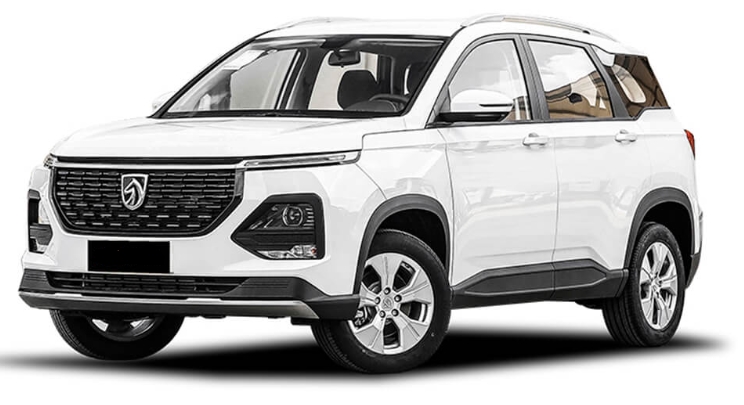
The Evolution of the Baojun 530: A Global Compact SUV with Many Identities
The Baojun 530 stands as one of the most globally versatile compact SUVs to emerge from China in the late 2010s. Introduced in 2017 and entering production in 2018, the model quickly became a cornerstone of the Baojun brand—part of the SAIC-GM-Wuling (SGMW) joint venture. Known for its adaptability, the Baojun 530 has been sold under multiple names across international markets, including as the Chevrolet Captiva, MG Hector, and Wuling Almaz.
This article explores the complete evolution of the Baojun 530, including its production timeline, trims and variants, major updates, and its broader impact on the global SUV market.
Origins and Development
Baojun, launched in 2010 as a joint venture brand between SAIC Motor, General Motors, and Wuling, was created to produce affordable passenger vehicles for emerging markets. By the mid-2010s, SUVs had become one of the fastest-growing segments in China, prompting Baojun to expand its lineup.
The Baojun 530 was unveiled at the Auto Guangzhou 2017 as the successor to the Baojun 560. It drew design inspiration from the smaller Baojun 510 while introducing a more modern and globally adaptable platform.
Production officially began in January 2018, with sales launching in China in February of the same year.
.

.
First Generation (2018–Present)
Unlike many vehicles that undergo full generational changes, the Baojun 530 has remained in its first generation since launch, receiving updates and facelifts rather than a complete redesign.
Production Timeline
- 2018–2019: Initial release models
- 2019–2022: Facelifted models
- 2021–present: Discontinued in China but continues in global markets under other brands
2018–2019: Initial Launch Models
Overview
The initial Baojun 530 models established the vehicle’s identity as a practical, affordable compact SUV with flexible seating options and multiple powertrain choices.
Engines and Transmissions
At launch, the model offered:
- 1.5-liter turbocharged inline-four engine
- 1.8-liter naturally aspirated inline-four engine
Transmission options included:
- 6-speed manual
- 5-speed automated manual (AMT)
- 6-speed dual-clutch transmission (DCT)
- Continuously variable transmission (CVT)
Trim Levels (2018–2019)
While Baojun did not standardize Western-style trim naming conventions, the 530 was offered in multiple configurations based on drivetrain, seating, and equipment levels.
Common configurations included:
- Base / Entry Models
- 1.8L engine
- Manual or AMT transmission
- Basic infotainment and cloth interior
- Mid-Level Models
- 1.5T engine
- Manual or DCT transmission
- Enhanced infotainment and comfort features
- High-End Models
- 1.5T engine
- CVT transmission
- Larger infotainment display and upgraded interior materials
Additionally, early variants were primarily 5-seat SUVs, with a 7-seat version introduced in early 2019.
Key Features
- Modern split-headlight design
- Floating roof styling
- Competitive pricing in China
- Emphasis on practicality and interior space
2019 Facelift (2019–2022)
Major Update
In September 2019, Baojun introduced a significant facelift that modernized the 530’s design and technology.
Exterior Changes
- Redesigned front grille and lighting
- Updated rear styling
- Slight increase in overall length
Interior and Technology Updates
- 10.4-inch vertical infotainment screen
- Fully digital instrument cluster
- Integrated climate control system
- Improved materials and build quality
Seating Configurations
The facelift expanded versatility with:
- 5-seat configuration
- 6-seat configuration (new)
- 7-seat configuration
This made the 530 more appealing to families and export markets.
Powertrain Updates
The facelift streamlined engine offerings, focusing on the 1.5-liter turbocharged engine, which delivered:
- Around 147 horsepower
- Improved torque and efficiency
Transmission options included:
- 6-speed manual
- CVT with simulated gear ratios
Trim Levels (2019–2022)
The facelifted Baojun 530 continued to use a flexible trim structure rather than fixed names. However, trims generally fell into:
- Standard Trim
- Manual transmission
- Basic infotainment
- Comfort Trim
- CVT transmission
- Larger infotainment display
- Premium Trim
- Full digital cluster
- Advanced connectivity features
Higher trims also introduced:
- Keyless entry
- Panoramic sunroof
- Advanced driver assistance features
Global Variants and Rebadged Models
One of the most defining characteristics of the Baojun 530 is its extensive badge engineering strategy.
Chevrolet Captiva (2019–Present)
The Baojun 530 was rebadged as the Chevrolet Captiva for markets including:
- Latin America
- Middle East
- Southeast Asia
It served as an affordable replacement for earlier Chevrolet SUV models.
MG Hector (2019–Present)
In India, the 530 became the MG Hector, featuring:
- Additional technology
- Diesel engine options
- Mild-hybrid variants
This version significantly elevated the vehicle’s global reputation.
Wuling Almaz (2019–Present)
In Indonesia, the model is sold as the Wuling Almaz, including:
- Local production
- Hybrid powertrain (introduced later)
Global Significance
The Baojun 530 became:
- One of Baojun’s first truly global vehicles
- A key export product for SGMW
- A platform shared across multiple brands and regions
Market Position and Competition
The Baojun 530 competes in the compact SUV segment, rivaling:
- Toyota RAV4 (entry-level markets)
- Hyundai Tucson
- Nissan X-Trail
Its main advantages include:
- Competitive pricing
- Flexible seating options
- Global adaptability
Discontinuation in China (2021)
Despite its success, the Baojun 530 was discontinued in the Chinese domestic market after the 2021 model year.
Reasons for Discontinuation
- Shift toward the “New Baojun” lineup (RS-series models)
- Increasing competition in China’s SUV market
- Changing consumer preferences toward more advanced vehicles
However, production continued for export markets under different brands.
Design and Technology Evolution
Exterior Design
- 2018: Conservative, modern SUV styling
- 2019 facelift: Sharper, more premium design language
Interior
- Early models: Basic infotainment and analog gauges
- Facelift models: Large touchscreen and digital displays
Technology
- Introduction of connected infotainment systems
- Advanced safety features in later trims
- Hybrid powertrains in global variants
Powertrain Evolution
Initial Engines (2018)
- 1.5L turbo gasoline
- 1.8L naturally aspirated gasoline
Post-Facelift (2019–2022)
- Focus on 1.5L turbo engine
- Improved efficiency and torque
Global Variants
- Diesel engines (MG Hector)
- Hybrid systems (Wuling Almaz)
Production and Global Expansion
The Baojun 530 has been produced in multiple locations:
- China: Primary production hub
- Indonesia: Local production as Wuling Almaz
- India: Manufactured as MG Hector
- Export markets: Supplied globally under Chevrolet branding
This multi-market strategy allowed the vehicle to reach a wide audience.
Future Outlook
Although no direct second-generation Baojun 530 has been announced, its legacy continues through its global derivatives and platform successors.
Key Trends
Electrification
- Hybrid and electrified versions already introduced in some markets
- Potential for full electric successors
Platform Evolution
- Future SUVs from SGMW may build on the 530’s architecture
Global Strategy
- Continued use of badge engineering
- Expansion into emerging markets
The Baojun 530 represents a unique case in modern automotive history—a single vehicle platform adapted for multiple brands and markets worldwide.
Key Highlights:
- Production: 2018–present (global markets)
- China availability: 2018–2021
- Major update: 2019 facelift
- Seating options: 5, 6, and 7 seats
- Global variants: Chevrolet Captiva, MG Hector, Wuling Almaz
Rather than evolving through multiple generations, the Baojun 530 evolved through continuous refinement and global adaptation. Its success lies not only in its design and affordability but also in its flexibility—serving as the foundation for several internationally recognized SUVs.
As the automotive industry shifts toward electrification and smart mobility, the Baojun 530’s legacy will likely continue through new models inspired by its platform and global strategy.