The Evolution of the Bestune B50 (Besturn B50): FAW’s Foundational Compact Sedan
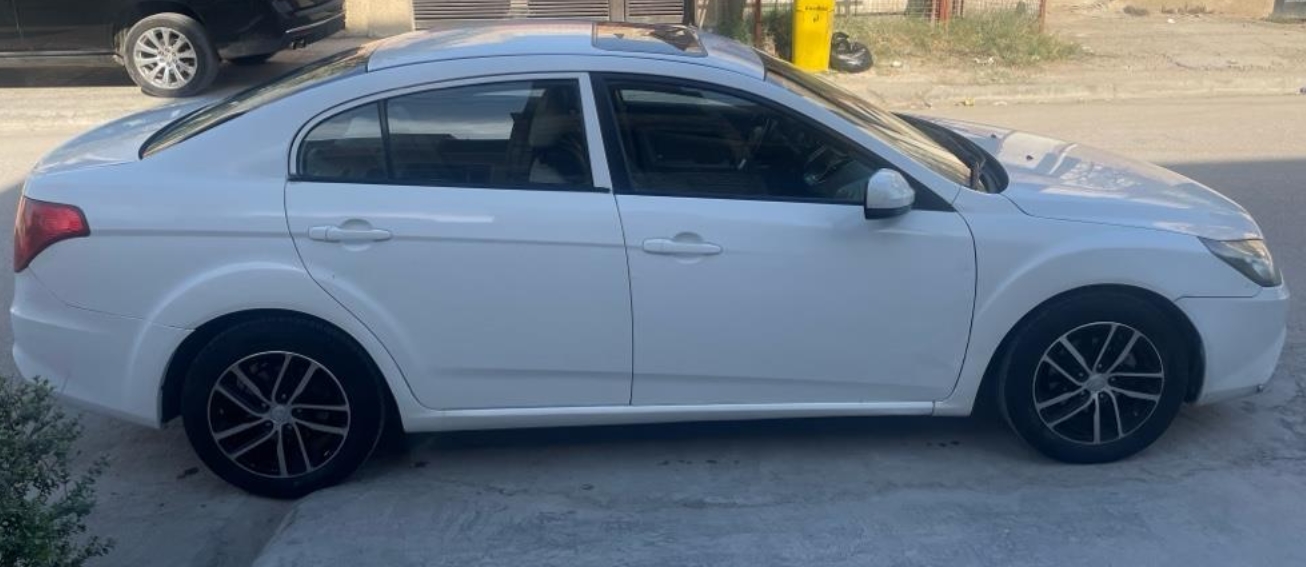
The Bestune B50 (originally marketed as the Besturn B50) played a crucial role in establishing FAW’s Bestune brand as a competitive force in China’s growing passenger car market. Produced from 2009 to 2019, the B50 combined international engineering partnerships with domestic manufacturing, offering an affordable yet relatively sophisticated compact sedan for emerging markets.
Over its decade-long production run, the B50 evolved through two generations, a significant facelift, and multiple powertrain and trim configurations. This article provides a comprehensive look at its development, models, trims, and long-term impact.
Origins of the Bestune Brand
The B50 was the second model introduced by FAW Group under its Besturn (later renamed Bestune in 2018) passenger car division. The brand itself debuted in 2006 with the B70 sedan, and was designed to bridge the gap between entry-level domestic vehicles and more premium international offerings.
The B50’s development reflected FAW’s strategy of leveraging joint ventures with global automakers. It combined:
- A platform derived from the Mazda 6
- Engine technology sourced from Volkswagen
- Transmission systems from Aisin
This multinational engineering approach helped the B50 achieve credibility in both domestic and export markets.
.

.
First Generation (2009–2016)
Launch and Production
The first-generation B50 entered production in 2009, marking the official debut of the model. Production continued until 2016, making it the longest-running phase in the vehicle’s lifecycle.
Designed by Italdesign Giugiaro, the B50 featured a conservative yet refined sedan profile aimed at middle-class buyers.
Powertrain and Mechanical Features
At launch, the B50 was powered by:
- 1.6-liter naturally aspirated inline-four engine (approx. 103 hp)
Transmission options included:
- 5-speed manual
- 6-speed automatic (Aisin-supplied)
The car used a front-engine, front-wheel-drive layout and rode on a platform derived from the first-generation Mazda 6.
Trim Levels (2009–2013)
During its early years, the B50 followed a typical Chinese trim structure rather than globally standardized names. Common trims included:
- Base / Standard
- Manual transmission
- Cloth interior
- Basic audio system
- Comfort
- Automatic transmission option
- Improved infotainment
- Alloy wheels
- Luxury / Premium
- Enhanced interior materials
- Additional safety features
- Automatic climate control
These trims allowed FAW to position the B50 as a value-oriented sedan with incremental upgrades.
2013 Facelift (2013–2016)
In 2013, the B50 received a major facelift that modernized its appearance and expanded its powertrain options.
Exterior Updates:
- Revised front grille and headlights
- Updated rear design
- More contemporary styling cues
Interior Improvements:
- Upgraded dashboard design
- Improved materials and ergonomics
Powertrain Expansion
The facelift introduced a new engine option:
- 1.8-liter inline-four engine (~139 hp)
The updated lineup included:
- 1.6L (manual and automatic)
- 1.8L (automatic)
This broadened the B50’s appeal to buyers seeking more performance.
Trim Levels (2013–2016)
Following the facelift, trim levels expanded to include:
- Standard
- Comfort
- Luxury
- Premium / Flagship
Higher trims added:
- Touchscreen infotainment
- Leather upholstery
- Enhanced safety features
Market Performance
The first-generation B50 was a commercial success within the Bestune lineup:
- Over 62,000 units sold in 2013
- Over 72,000 units sold in 2014
These figures made it one of the brand’s best-selling vehicles during its peak years.
Second Generation (2016–2019)
Launch and Production
The second-generation B50 was introduced in mid-2016 and remained in production until 2019, when the model was discontinued.
This generation represented a significant redesign, with updated styling, improved technology, and more modern powertrains.
Design Evolution
Compared to its predecessor, the second-generation B50 featured:
- Sharper, more angular exterior design
- Larger dimensions
- A more premium interior layout
The redesign aligned with evolving consumer expectations in China’s competitive sedan market.
Powertrain Options
The second-generation model introduced new engine configurations:
- 1.6-liter naturally aspirated engine (~109 hp)
- 1.4-liter turbocharged engine (~136 hp)
Transmission options included:
- Manual transmission
- Automatic transmission
The addition of a turbocharged engine marked a significant step forward in performance and efficiency.
Trim Levels (2016–2019)
The second-generation B50 featured a more defined trim structure, typically including:
- Base / Standard
- Manual transmission
- Essential features
- Comfort
- Automatic transmission
- Enhanced infotainment
- Luxury
- Premium interior materials
- Additional technology
- Sport / RS Trim
- Unique styling elements (black grille, red accents)
- Sportier interior details
The RS variant was particularly notable, offering a more dynamic appearance and positioning the B50 as a slightly sportier sedan.
Safety and Technology
Throughout its lifecycle, the B50 incorporated gradually improving safety and technology features.
Safety
- Early models: Basic airbags and ABS
- Later models: Improved structural integrity
- Achieved a 4-star rating in C-NCAP crash testing
Technology
- Early models: Basic radio and manual controls
- Facelift models: Touchscreen infotainment
- Second generation:
- Advanced infotainment systems
- Connectivity features
International Expansion
The B50 also played a key role in Bestune’s international ambitions.
Russia Market Entry
In 2012, the B50 became the first Bestune model sold in Russia, debuting at the Moscow International Automobile Salon.
This move marked:
- Bestune’s first major export initiative
- An attempt to compete with European and Japanese sedans
Branding Transition (2018)
In 2018, FAW rebranded the Besturn marque as Bestune, aligning with a more modern global identity.
Although the B50 continued production briefly after the rebrand, it retained much of its original design and positioning.
Discontinuation (2019)
Production of the B50 ended in 2019, concluding a ten-year lifecycle.
Reasons for Discontinuation
- Shift toward SUVs and crossovers in China
- Increasing competition from newer sedan models
- Transition to newer Bestune models like the B70
Trim and Model Summary (2009–2019)
2009–2013 (Initial Models)
- Base / Standard
- Comfort
- Luxury
2013–2016 (Facelift Models)
- Standard
- Comfort
- Luxury
- Premium
2016–2019 (Second Generation)
- Standard
- Comfort
- Luxury
- RS (sport variant)
Design and Engineering Legacy
The B50’s development reflected a hybrid engineering approach:
- Mazda-derived platform
- Volkswagen-sourced engine technology
- Japanese transmission systems
This combination allowed the B50 to deliver:
- Reliable performance
- Competitive pricing
- Acceptable build quality for its segment
Market Position and Competitors
The B50 competed in the compact sedan segment against:
- Domestic Chinese sedans
- Entry-level global models
Its key advantages included:
- Affordable pricing
- Proven mechanical components
- Comfortable ride quality
Future Outlook and Legacy
Although the B50 itself has been discontinued, its influence continues within the Bestune lineup.
Legacy Contributions
- Helped establish Bestune as a recognizable brand
- Served as a foundation for later sedans like the B70
- Demonstrated the viability of joint-engineered Chinese vehicles
Future Trends
Bestune’s current strategy focuses on:
- SUVs and crossovers
- Electrification and hybrid technology
- Smart connectivity and digital features
If a successor to the B50 were introduced today, it would likely feature:
- Electric or hybrid powertrains
- Advanced driver assistance systems
- Modern infotainment ecosystems
The Bestune B50 represents a formative chapter in the evolution of China’s modern automotive industry. Produced from 2009 to 2019, it bridged the gap between domestic affordability and international engineering standards.
Key Highlights:
- Production: 2009–2019
- Generations: Two (plus 2013 facelift)
- Engines: 1.6L, 1.8L, and 1.4T
- Notable trims: Standard, Comfort, Luxury, Premium, RS
While it never became a global bestseller, the B50 played a critical role in shaping Bestune’s identity and demonstrating China’s growing capability in passenger car development. Its evolution reflects a broader story of progress—one that continues to define the Chinese automotive industry today.