The Evolution of the Beijing X3
The Chinese automotive industry has undergone a remarkable transformation over the past two decades, with domestic brands gaining recognition for producing vehicles that balance affordability, style, and advanced technology. Among these brands, BAIC Motor, through its “Beijing” sub-brand, has carved a niche in the SUV market. One of its most significant models is the Beijing X3, a subcompact SUV designed to meet the needs of urban drivers while offering the versatility of a traditional SUV. Since its introduction, the X3 has evolved in terms of design, technology, and powertrain options, reflecting BAIC’s strategy to remain competitive in a rapidly changing market.
Origins and Introduction
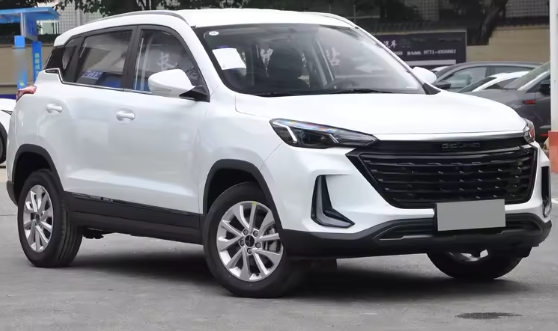
The Beijing X3 was first introduced in 2016 under the Beijing brand, aimed at younger buyers seeking a compact SUV with modern features, affordability, and city-friendly maneuverability. The X3 filled the gap below the larger X5 and X7 in the Beijing SUV lineup, providing an entry-level SUV for consumers transitioning from compact cars to more spacious, versatile vehicles.
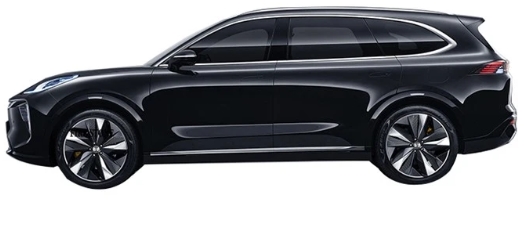
At launch, the X3 emphasized a bold, contemporary design, combining a high-riding stance with sleek lines and a functional, well-laid-out interior. It featured a touchscreen infotainment system, digital driver displays, and adequate cargo space for small families or urban commuters. The vehicle’s focus was on providing practical everyday usability while incorporating modern technology and comfort features typically found in larger or more expensive SUVs.
.

.
Production Years and Generations
The Beijing X3 has been in continuous production since its 2016 debut. As of 2026, it remains in its first generation, with BAIC opting for incremental updates and facelifts rather than a full generational redesign. This approach allowed the X3 to maintain a consistent market presence while gradually incorporating improvements in design, technology, and powertrain efficiency.
2016–2017: Initial Launch and Trim Levels
At its debut, the Beijing X3 was offered in multiple trim levels to cater to different buyer preferences:
- Standard – The base trim included fabric seats, manual air conditioning, LED daytime running lights, a small touchscreen infotainment system, and essential safety features, including ABS, electronic stability control, and multiple airbags.
- Comfort – This trim added synthetic leather seats, upgraded infotainment with smartphone integration, automatic climate control, and convenience features such as keyless entry and push-button start.
- Luxury – Targeted at buyers seeking premium features, this trim offered leather upholstery, a larger infotainment screen, panoramic sunroof, digital instrument cluster, and additional driver-assistance features.
- Sport – Designed to appeal to younger buyers, the Sport trim offered sport-tuned suspension, alloy wheels with a distinctive design, and subtle exterior styling accents.
Engine options at launch included a 1.5-liter naturally aspirated inline-four producing approximately 115 horsepower, paired with either a five-speed manual or a five-speed automatic transmission. The X3 was a front-wheel-drive vehicle, although higher trims offered optional all-wheel-drive to improve versatility in diverse driving conditions.
2018–2019: First Updates and Technology Improvements
By 2018, BAIC introduced minor updates to the X3, focusing primarily on technology and safety enhancements. The infotainment system was upgraded to include smartphone integration via Apple CarPlay and Android Auto, while higher trims added advanced safety features such as rear parking sensors, rearview cameras, and electronic stability enhancements.
Trim levels were largely maintained, though the Comfort and Luxury trims received new interior materials and updated dashboard designs. The Sport trim was refreshed with revised alloy wheels and sport-inspired interior touches. These updates helped the X3 remain competitive in the increasingly crowded subcompact SUV segment.
2020–2021: Facelift and Hybrid Introduction
In 2020, the Beijing X3 underwent a mid-cycle facelift to refresh its exterior and interior appeal. The front fascia was redesigned with a bolder grille, sharper LED headlights, and revised bumper styling. The rear design was also updated, featuring modernized taillights and improved aerodynamics.
Around this time, BAIC introduced the X3 Hybrid variant in select markets. The hybrid system paired the 1.5-liter engine with a mild electric motor to improve fuel efficiency and reduce emissions, reflecting growing environmental regulations and consumer demand for greener vehicles. The hybrid option was available on the Comfort and Luxury trims and was paired with a continuously variable transmission (CVT) for smoother city driving.
2022–2023: Technology and Trim Expansion
By 2022, the X3’s cabin technology was further enhanced, including a fully digital instrument cluster, larger touchscreen displays up to 12 inches, and improved voice command capabilities. Connectivity features such as over-the-air software updates and integrated navigation became standard on higher trims.
Trim levels were slightly reorganized:
- X3 Comfort – Mid-level trim with hybrid option available, synthetic leather seats, and enhanced infotainment.
- X3 Luxury – Premium interior, advanced safety features, and hybrid powertrain.
- X3 Sport+ – A performance-oriented variant with sport-tuned suspension, larger alloy wheels, and exterior styling enhancements.
The X3 continued to be powered primarily by the 1.5-liter gasoline engine, with mild-hybrid enhancements available on select trims. All-wheel-drive remained an optional feature for Sport and Luxury trims.
2024–2026: Elite Trims and Future Outlook
By 2024, BAIC introduced the X3 Elite trim, combining premium technology, comfort, and safety features. This trim included:
- Panoramic sunroof
- Premium audio system
- Advanced driver-assistance systems, including lane-keeping assist, adaptive cruise control, and traffic jam assist
- Fully digital instrument cluster and customizable heads-up display
The Sport+ trim remained available for buyers seeking a more dynamic driving experience. Mild-hybrid technology was refined for better efficiency, while safety and comfort features were updated to remain competitive with newer rivals in the subcompact SUV segment.
Looking ahead, BAIC has announced plans for a fully electric variant, the X3 EV, expected to launch around 2027. The X3 EV will likely feature a range of over 250 miles per charge, fast charging capabilities, and enhanced intelligent driver-assistance features, ensuring the X3 remains competitive as global demand shifts toward zero-emission vehicles.
Design and Features
The Beijing X3 has consistently been praised for its modern, functional design. Its exterior combines a high-riding SUV stance with sleek, aerodynamic lines and LED lighting signatures. The interior emphasizes space efficiency, comfort, and technology, making it practical for city driving and longer trips alike.
Standard and available features across trims include:
- Adaptive cruise control and lane-keeping assist
- Blind-spot monitoring and rear cross-traffic alert
- Panoramic sunroof on higher trims
- Digital instrument cluster and touchscreen infotainment
- Multi-zone automatic climate control
- Over-the-air software updates and voice command systems
The X3 balances ride comfort with agile handling, making it well-suited to urban environments while offering optional versatility through all-wheel-drive and hybrid powertrain options.
Market Reception and Sales
Since its launch, the Beijing X3 has been well-received in China, particularly among younger buyers and small families seeking an entry-level SUV with modern features and competitive pricing. Its combination of style, technology, and practicality has helped it maintain a solid market position against domestic and international competitors.
Internationally, the X3 has begun entering select markets in Southeast Asia and parts of Europe, where demand for affordable subcompact SUVs with advanced features is growing. While BAIC has not disclosed precise global sales numbers for the X3, industry analysts note that it remains one of the brand’s key models in the entry-level SUV segment.
Future Outlook
The Beijing X3 is expected to continue evolving to meet consumer demands and global automotive trends. Key areas of focus include:
- Electrification – Launch of the X3 EV with long-range battery capability and fast charging.
- Advanced Connectivity – Integration of AI-driven infotainment, enhanced driver assistance, and over-the-air software updates.
- Global Expansion – Continued entry into Southeast Asia, Europe, and emerging markets.
- Sustainability – Hybrid and electric options, improved fuel efficiency, and compliance with stricter emissions standards.
With continued refinement, advanced safety features, and electrification, the X3 is positioned to remain a strong competitor in the subcompact SUV market for years to come.
Since its introduction in 2016, the Beijing X3 has evolved into a versatile, practical, and technologically advanced subcompact SUV. Through continuous updates, expanded trim levels, and the introduction of hybrid powertrains, it has maintained its appeal to urban families and young professionals seeking value and modern features.
The Beijing X3 reflects BAIC’s strategy to combine affordability, technology, and style while preparing for the industry’s shift toward electrification. With a fully electric variant on the horizon and ongoing refinement of technology and comfort features, the X3 is well-positioned to remain a competitive and popular choice in the subcompact SUV segment.