The Evolution of the Brilliance FRV: The Hatchback That Helped Modernize Brilliance Auto
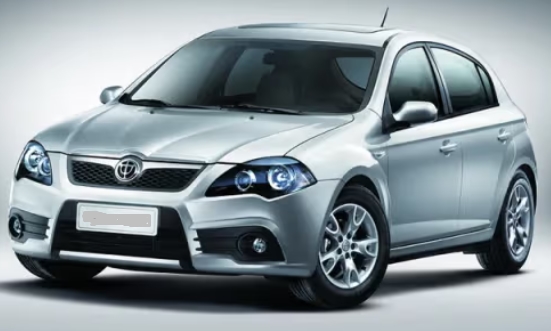
The Brilliance FRV was one of the most important vehicles in the history of Brilliance Auto. Introduced during a period when Chinese automakers were striving to improve quality, styling, and international competitiveness, the FRV represented a major step forward for the company. Combining European-inspired design, modern engineering, practical hatchback packaging, and competitive pricing, the FRV helped establish Brilliance as a serious participant in China’s rapidly growing passenger car market.
Produced from 2008 through 2013 in its primary form, with some derivative versions remaining available in certain markets for several additional years, the FRV became one of Brilliance’s most recognizable models. The vehicle also spawned several variants, including the FSV sedan and the FRV Cross crossover-style hatchback, helping expand the model family’s appeal. Throughout its production life, the FRV evolved through powertrain improvements, styling updates, and expanded trim offerings. Its influence would later continue through its successors, the H320 hatchback and H330 sedan.
Origins and Development
Development of the FRV began during the mid-2000s as Brilliance sought to create a modern compact hatchback capable of competing with both domestic and international rivals. Originally known internally as the A1 project, the vehicle made its first public appearances at major international auto shows before entering production in 2008. The model was marketed in China as the Junjie FRV and in export markets as the Brilliance FRV or BS2.
One of the most notable aspects of the FRV was its design. The exterior styling was developed by the renowned Italian design firm Italdesign Giugiaro, giving the vehicle a more sophisticated appearance than many contemporary Chinese automobiles. The collaboration helped Brilliance improve its reputation and demonstrated the company’s commitment to producing vehicles with international appeal.
The FRV was built as a front-wheel-drive compact hatchback and featured a practical five-door body style. Its combination of affordability, interior space, and modern styling made it particularly attractive to younger buyers and growing families.
.
NO MORE dead batteries with this:

.
Launch and Early Production (2008–2010)
The FRV officially entered production in May 2008 at Brilliance’s manufacturing facility in Shenyang, China. At launch, the vehicle was positioned within the compact car segment and was intended to compete against models from Chery, Geely, FAW, and several joint-venture brands operating in China.
Early models were offered with several Mitsubishi-derived gasoline engines, including:
- 1.3-liter four-cylinder engine producing approximately 85 horsepower
- 1.3-liter four-cylinder engine producing approximately 88 horsepower
- 1.5-liter four-cylinder engine producing approximately 102 horsepower
- 1.6-liter four-cylinder engine producing approximately 101–107 horsepower
Transmission choices included a five-speed manual gearbox and a four-speed automatic transmission, depending on engine and trim level.
Early Trim Levels
Although trim names varied by market, the FRV was commonly available in the following configurations:
Comfort
The entry-level model included:
- Power steering
- Front airbags
- Air conditioning
- Power windows
- Central locking
Deluxe
The Deluxe trim added:
- Alloy wheels
- Improved interior materials
- Enhanced audio system
- Rear wiper
- Additional convenience features
Luxury
The Luxury trim typically offered:
- Climate control
- Upgraded upholstery
- Additional safety equipment
- Premium interior trim
Automatic Luxury
This model paired the higher equipment package with the available automatic transmission for improved urban driving convenience.
Expansion of the FRV Family
Brilliance quickly expanded the FRV platform into a broader vehicle family.
Brilliance FSV Sedan (2009)
In 2009, Brilliance introduced the FSV, a sedan version of the FRV. The FSV shared the same platform, engines, and much of the interior design while offering a traditional four-door body style preferred by many Chinese buyers.
Brilliance FRV Cross (2009–2017)
Later in 2009, Brilliance launched the FRV Cross. This variant featured crossover-inspired styling with:
- Raised ride height
- Plastic body cladding
- Roof rails
- Revised bumpers
- More rugged exterior appearance
The FRV Cross capitalized on the growing popularity of crossover vehicles while retaining the affordability and practicality of the standard hatchback. Production of the Cross variant continued longer than the standard FRV in some markets, with certain sources indicating availability through 2017.
FRV Cross Trim Levels
Common FRV Cross variants included:
Cross Comfort
- Standard crossover styling package
- Air conditioning
- Power accessories
Cross Deluxe
- Alloy wheels
- Roof rails
- Enhanced interior materials
Cross Luxury
- Premium interior appointments
- Additional convenience features
- Expanded safety equipment
The 2010 Facelift
In 2010, Brilliance introduced a facelift for the FRV. While the vehicle’s overall structure remained unchanged, several visual updates helped modernize the design.
Key changes included:
- Revised front grille
- Updated front bumper
- New exterior trim details
- Minor interior improvements
The facelift gave the FRV a fresher appearance and allowed Brilliance to keep the model competitive in a rapidly evolving market.
Later Production Years (2011–2013)
Following the facelift, Brilliance continued refining the FRV lineup. During this period, the company increasingly transitioned toward its own engine technology while retaining some Mitsubishi-derived powerplants in certain markets.
Engine options during the later production years included:
1.3-Liter Models
- Approximately 85–88 horsepower
- Five-speed manual transmission
1.5-Liter Models
- Approximately 102–105 horsepower
- Manual or automatic transmission availability
1.6-Liter Models
- Approximately 101–107 horsepower
- Manual or automatic transmission availability
Turbocharged Variants
Some sport-oriented versions received turbocharged engines producing up to approximately 170 horsepower, offering significantly improved performance compared to the standard models. These versions were produced in relatively limited numbers.
Typical Later Trim Levels
Depending on market and model year, the lineup commonly consisted of:
- Comfort
- Deluxe
- Luxury
- Sport
- Cross Comfort
- Cross Deluxe
- Cross Luxury
Export markets frequently used different naming conventions, but equipment levels generally followed these categories.
International Markets
The FRV was exported to several regions outside China, including parts of Eastern Europe, North Africa, South America, and the Middle East. Assembly operations were also established in Egypt, helping Brilliance strengthen its international presence. Despite being displayed at major European auto shows, the FRV was never widely launched across Europe. Concerns regarding earlier Brilliance crash-test results and changing market conditions limited the company’s European ambitions.
Nevertheless, the FRV earned recognition for its attractive design, practical interior, and competitive value proposition. Many reviewers considered it one of the more polished Chinese hatchbacks of its era.
End of Production and Successors
Production of the standard FRV ended in 2013. Brilliance replaced the model with the H320 hatchback, while the FSV sedan evolved into the H330. These successors incorporated updated styling, revised interiors, and improved powertrains while retaining many of the strengths that had made the FRV successful.
Although the standard FRV ceased production in 2013, the FRV Cross remained available in certain markets for several additional years, extending the platform’s overall lifespan.
Legacy and Future Outlook
The Brilliance FRV occupies an important place in the history of China’s automotive industry. At a time when Chinese manufacturers were working to improve their global image, the FRV demonstrated that domestic automakers could produce attractive, practical, and reasonably sophisticated passenger vehicles.
The model’s Italian-designed styling, versatile hatchback body, and broad range of trim levels helped it appeal to a wide audience. More importantly, the FRV laid the groundwork for later Brilliance products, including the H320, H330, and other vehicles that followed.
Today, the future of the Brilliance brand remains uncertain following corporate restructuring and changing market conditions. However, the FRV remains one of the company’s most influential vehicles. It represented a turning point in Brilliance’s development and helped establish many of the design and engineering principles that would guide the brand throughout the following decade. For many automotive enthusiasts and industry observers, the FRV remains one of the most significant compact hatchbacks produced by a Chinese manufacturer during the late 2000s and early 2010s.