The Evolution of the BYD D1: China’s Purpose-Built Electric Ride-Share Vehicle
In recent years, the automotive industry has witnessed a surge in purpose-built electric vehicles designed for shared mobility, and the BYD D1 stands out as a pioneering example. Developed by BYD, one of China’s leading electric vehicle manufacturers, the D1 is designed specifically for ride-hailing and urban mobility, representing a shift in automotive thinking from general consumer vehicles to specialized, technology-driven transportation solutions. This article explores the evolution of the BYD D1, including its production timeline, trim levels, technological features, and potential future developments.
Origins and Concept
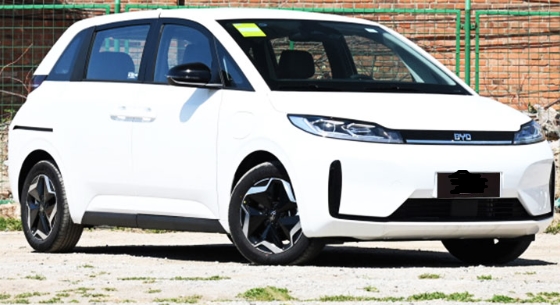
The BYD D1 was officially unveiled in 2020 as a joint initiative between BYD and Didi Chuxing, China’s largest ride-hailing company. The D1 was designed from the ground up for ride-sharing, rather than being a modified version of a conventional sedan or SUV. This approach allowed BYD to focus on passenger comfort, durability, and technology integration specific to the demands of ride-hailing operations.
The vehicle’s design emphasizes accessibility, with sliding doors for easy passenger entry and exit, a spacious cabin layout, and modular seating arrangements. The partnership with Didi also informed the vehicle’s features, such as digital payment integration and connectivity systems tailored for ride-hailing platforms.
.

.
Production and Launch
The BYD D1 entered production in late 2020 and began deployment in 2021, initially in major Chinese cities such as Shenzhen, Shanghai, and Beijing. The vehicle was targeted primarily at fleet operators and ride-hailing drivers, though individual purchase was not prohibited.
Unlike most consumer vehicles, the D1 was not launched with a wide range of trim levels. Instead, it offered a streamlined selection designed to meet operational efficiency and passenger comfort standards:
Standard Fleet Model (2021–Present):
- Seating Capacity: Up to five passengers, with a focus on spacious rear seating.
- Powertrain: Fully electric, powered by a BYD blade lithium-ion battery pack, providing a range of approximately 186 miles (300 kilometers) per charge under the NEDC standard.
- Charging: Supports fast charging, reaching 80 percent capacity in around 30 minutes.
- Interior Features: Passenger-friendly amenities, including climate control, easy-access sliding doors, and digital displays for ride-hailing operation.
- Technology Integration: GPS navigation, ride-hailing app compatibility, and driver assistance systems suitable for urban environments.
The BYD D1 was unique in that it did not have the conventional luxury or sport trims often found in consumer vehicles. Instead, the emphasis was on fleet optimization, operational safety, and passenger convenience.
Design and Features
The BYD D1’s design is highly functional. Its low-floor layout and sliding doors allow passengers to enter and exit efficiently, a crucial factor for ride-hailing operations in congested urban environments. The interior is modular, with high-quality, durable materials that can withstand heavy daily usage.
The electric powertrain ensures a quiet, smooth ride while maintaining low operating costs for fleet operators. The D1 also incorporates BYD’s proprietary Blade Battery technology, which enhances safety, energy density, and longevity.
Technologically, the vehicle is equipped with advanced driver assistance systems, including parking sensors, lane-keeping assist, and collision warning systems. The digital connectivity features allow drivers to seamlessly integrate with Didi Chuxing’s platform, managing bookings, payments, and navigation directly from the vehicle interface.
Market Reception
The BYD D1 received positive attention from both fleet operators and the media due to its focus on ride-hailing functionality. Operators praised the vehicle’s reliability, range, and passenger comfort, noting that it offered a better overall experience than retrofitted electric sedans or compact cars traditionally used in ride-share fleets.
Additionally, the D1’s electric drivetrain aligned with China’s broader environmental goals, helping reduce urban emissions and noise pollution. Its introduction coincided with an increased push for electric mobility in large cities, further enhancing its appeal.
Challenges and Limitations
While the BYD D1 is innovative, it faces limitations. Its niche focus on ride-hailing means it does not cater directly to private consumers looking for personal vehicles, limiting its market size. Additionally, the lack of multiple trims or performance variants could be seen as restrictive for buyers wanting more customization or luxury options.
Another challenge is competition. While the D1 is specifically designed for ride-hailing, other electric vehicles, such as the BYD e6, Tesla Model 3, and domestic electric sedans, also serve fleet and taxi operations, offering broader versatility and sometimes longer range.
Expansion and Variants
Since its launch, BYD has maintained the D1 primarily as a single-purpose electric ride-share vehicle. However, incremental updates have focused on improving battery performance, vehicle connectivity, and passenger comfort. Future updates may include:
- Extended Range Versions: Higher-capacity batteries could allow the D1 to cover longer distances between charges, increasing operational efficiency for fleet operators.
- Autonomous or Semi-Autonomous Features: Given BYD’s investment in electric mobility and smart vehicle technology, the D1 could integrate more advanced driver assistance systems or autonomous driving features in the future.
- Enhanced Fleet Management Integration: Software upgrades could provide real-time data analytics for fleet operators, optimizing routing, energy usage, and vehicle maintenance.
Future Outlook
The BYD D1 represents a forward-looking approach to urban mobility, reflecting trends toward electrification, shared transportation, and purpose-built vehicles. As cities around the world seek sustainable and efficient mobility solutions, vehicles like the D1 could serve as models for future ride-hailing and urban transport initiatives.
Global adoption may follow, especially in regions where urban congestion and environmental regulations encourage the use of electric ride-share fleets. While the D1’s current production is focused on China, BYD’s growing international presence suggests potential future deployment in Southeast Asia, Europe, or Latin America.
Moreover, the D1’s success could encourage BYD and other manufacturers to design additional niche electric vehicles tailored for specific applications, such as urban delivery, corporate shuttles, or public transportation.
The BYD D1 stands as a unique and innovative entry in the electric vehicle market, purpose-built for ride-hailing and urban mobility. Since its launch in 2021, it has demonstrated how electric vehicles can be optimized for specific operational requirements, offering benefits in passenger comfort, efficiency, and environmental sustainability.
With its functional design, electric powertrain, and integration with Didi Chuxing, the D1 has set a new standard for fleet-focused vehicles in China. Although it remains a specialized EV vehicle with limited trims, its influence on urban mobility and fleet electrification is significant.
Looking ahead, the D1’s evolution will likely include improvements in range, technology, and connectivity, ensuring that BYD remains at the forefront of electric mobility for ride-sharing applications. In a rapidly changing automotive landscape, the D1 exemplifies the shift toward vehicles designed not just for private ownership but for smarter, cleaner, and more efficient shared transportation solutions.