The Evolution of the Jinbei Golden Sea Lion: Modernizing a Chinese Commercial Vehicle Icon
The Jinbei Golden Sea Lion is one of the most important modern vans produced by Jinbei Automobile, a company long associated with commercial transportation in China. Introduced as a contemporary successor to many of Jinbei’s older HiAce-derived vans, the Golden Sea Lion combined familiar practicality with updated styling, improved safety equipment, and more modern powertrains. Designed to serve businesses, passenger transportation operators, fleet customers, and cargo carriers, the model became an important part of Jinbei’s effort to modernize its commercial vehicle lineup during the 2010s and early 2020s.
Although the Golden Sea Lion never completely replaced the numerous Haise-based products that preceded it, the vehicle represented a significant step forward for the company. It retained the durability and versatility that had defined Jinbei vans for decades while introducing a more contemporary appearance and improved technology. The Golden Sea Lion also demonstrated how Chinese commercial vehicle manufacturers were adapting to changing customer expectations regarding safety, efficiency, and comfort.
Origins of the Golden Sea Lion
The story of the Golden Sea Lion begins with Jinbei’s long history of producing vans inspired by the Toyota HiAce. Since the early 1990s, Jinbei had become one of China’s most successful commercial vehicle manufacturers through a series of vehicles including the Haise, Granse, Grand Haise, and numerous derivatives.
By the early 2010s, however, the commercial vehicle market was changing rapidly. Buyers increasingly expected improved styling, better fuel economy, enhanced passenger comfort, and modern safety features. Competition from domestic rivals and newer foreign products also intensified.
In response, Jinbei developed the Golden Sea Lion as a more modern alternative to older van designs. The vehicle was intended to bridge the gap between traditional commercial vans and newer multi-purpose passenger vehicles while retaining the affordability that remained essential to many fleet operators.
The name “Golden Sea Lion” reflected Jinbei’s long-running use of the “Sea Lion” designation, which had become closely associated with the company’s commercial vehicle products.
.
NO MORE dead batteries with this:

.
Development and Launch
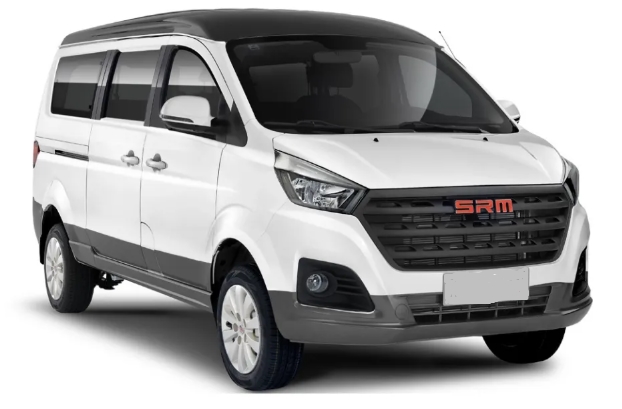
The Jinbei Golden Sea Lion entered the Chinese market in the mid-2010s. Unlike earlier Jinbei vans that relied heavily on older Toyota-inspired styling, the Golden Sea Lion featured a more contemporary appearance with a redesigned front fascia, modern lighting elements, and improved interior appointments.
The vehicle was engineered to fulfill multiple roles, including:
- Passenger transportation
- Cargo delivery
- Shuttle operations
- Tourism services
- Government fleets
- Business transportation
- Small-business logistics
By offering a flexible platform capable of supporting numerous configurations, Jinbei sought to maximize the vehicle’s appeal across a broad customer base.
Production Years
The Golden Sea Lion entered production in approximately 2016 and has remained part of Jinbei’s commercial vehicle portfolio through the 2020s.
Production timeline:
- 2016: Initial market introduction
- 2017–2019: Expansion of trim levels and engine offerings
- 2020–2022: Equipment and emissions updates
- 2023–Present: Continued production in selected markets and configurations
Unlike many passenger vehicles, commercial vans often receive continuous updates rather than entirely new generations. As a result, the Golden Sea Lion has evolved gradually while maintaining its core design and functionality.
Design Evolution
One of the most significant improvements introduced by the Golden Sea Lion was its exterior styling.
Compared with older Jinbei vans, the vehicle featured:
- Larger front grille
- Modern headlight assemblies
- Improved aerodynamics
- Revised bumpers
- More contemporary body detailing
- Enhanced visibility
The overall design remained practical and commercial-focused, but it presented a noticeably more modern appearance than earlier Haise and Granse models.
The cabin also received substantial upgrades.
Interior improvements included:
- Updated dashboard layout
- Improved seating materials
- Enhanced climate-control systems
- Modern infotainment options
- Better noise insulation
- Increased storage solutions
These changes helped improve both driver comfort and passenger experience.
Models and Trim Levels
The Golden Sea Lion was offered in multiple body styles and trim levels throughout its production run.
Standard Model
The Standard trim served as the entry-level version.
Typical features included:
- Cloth seating
- Manual air conditioning
- Steel wheels
- Basic audio system
- Manual adjustments
- Commercial-grade interior materials
This model was aimed primarily at fleet operators and cost-conscious buyers.
Comfort Model
The Comfort trim added convenience features and improved passenger accommodations.
Equipment generally included:
- Enhanced upholstery
- Power windows
- Improved audio system
- Additional storage compartments
- Better interior trim materials
- Rear passenger comfort upgrades
The Comfort version became popular among shuttle operators and small businesses.
Deluxe Model
The Deluxe trim emphasized improved comfort and appearance.
Features often included:
- Alloy wheels
- Upgraded climate controls
- Enhanced dashboard materials
- Improved seating surfaces
- Additional exterior trim
- Better sound insulation
These upgrades helped attract customers seeking a more refined vehicle.
Luxury Model
The Luxury trim represented the highest passenger-oriented specification.
Equipment commonly included:
- Premium upholstery
- Enhanced infotainment system
- Additional interior lighting
- Advanced convenience features
- Improved passenger seating
- Higher-grade trim materials
Luxury models were often used for executive transportation and tourism services.
Cargo Van
The Cargo Van variant prioritized utility over passenger accommodations.
Features included:
- Enlarged cargo area
- Reduced seating capacity
- Durable commercial flooring
- Simplified interior trim
- Increased load-carrying capability
Cargo models became popular among delivery companies and small businesses.
Long-Wheelbase Versions
In selected markets, Jinbei offered long-wheelbase variants that increased passenger and cargo capacity.
These models appealed to:
- Airport shuttle operators
- Hotel transportation services
- Tour companies
- Large commercial fleets
Powertrain Evolution
Throughout its production life, the Golden Sea Lion utilized several gasoline engines designed to balance performance, reliability, and operating costs.
2.0-Liter Gasoline Engine
One of the most widely available engines.
Key characteristics included:
- Four-cylinder design
- Fuel injection
- Five-speed manual transmission
- Competitive fuel economy
This engine became the standard powerplant for many versions.
2.2-Liter Gasoline Engine
Higher-specification models often received a larger 2.2-liter engine.
Benefits included:
- Increased horsepower
- Improved torque
- Better load-carrying performance
- Enhanced highway capability
Later Emissions-Compliant Engines
As Chinese emissions regulations became stricter, Jinbei updated engine management systems and introduced cleaner-burning powertrains.
These revisions improved:
- Fuel efficiency
- Emissions performance
- Reliability
- Regulatory compliance
Transmission options generally consisted of five-speed manual gearboxes, though certain markets received automatic transmission availability.
Passenger and Cargo Configurations
A major advantage of the Golden Sea Lion was flexibility.
Passenger capacities varied depending on configuration:
- 7 passengers
- 9 passengers
- 11 passengers
- 13 passengers
- 14 passengers
This range allowed operators to select vehicles suited to specific transportation requirements.
Cargo variants provided substantial interior volume for:
- Package delivery
- Equipment transport
- Service businesses
- Municipal fleets
- Commercial logistics
The vehicle’s practical design made it adaptable to numerous industries.
Market Position
The Golden Sea Lion competed in a highly competitive segment that included:
- Toyota HiAce
- Foton View
- King Long commercial vans
- Dongfeng commercial vehicles
- Changan vans
Its strengths included:
- Competitive pricing
- Familiar mechanical components
- Strong dealer support
- Flexible configurations
- Proven reliability
For many operators, these attributes outweighed the prestige associated with imported alternatives.
Export Markets
Like many Jinbei vehicles, the Golden Sea Lion found customers outside China.
Export destinations included:
- Southeast Asia
- Africa
- South America
- Middle Eastern markets
In these regions, the vehicle appealed to buyers seeking affordable commercial transportation solutions.
Its relatively simple mechanical design also made maintenance easier in areas with limited service infrastructure.
Relationship to Other Jinbei Models
The Golden Sea Lion formed part of a broader family of Jinbei commercial vehicles.
Related products included:
- Jinbei Haise
- Jinbei Grand Haise
- Jinbei Granse
- Jinbei Haise King
- Jinbei H2
- Jinbei H2L
The Golden Sea Lion effectively bridged the gap between older-generation vans and newer commercial vehicle designs.
Legacy and Future Outlook
The Jinbei Golden Sea Lion represents an important phase in the modernization of China’s commercial vehicle industry. While earlier Jinbei products relied heavily on decades-old architectures, the Golden Sea Lion demonstrated the company’s willingness to evolve in response to changing market demands.
Its significance includes:
- Modernizing the Jinbei van lineup
- Improving passenger comfort
- Enhancing safety and efficiency
- Expanding export opportunities
- Providing a versatile commercial platform
Looking toward the future, commercial vehicles are increasingly moving toward electrification, advanced connectivity, and improved safety technologies. Jinbei has already begun introducing newer products that incorporate these trends, suggesting that future successors to the Golden Sea Lion will continue this evolution.
Nevertheless, the Golden Sea Lion remains an important vehicle in Jinbei’s history. It successfully combined the practicality that made earlier Sea Lion models popular with the modern features required by contemporary customers. As a result, it serves as a bridge between the traditional commercial vans that built Jinbei’s reputation and the next generation of transportation solutions emerging in China’s rapidly evolving automotive market.