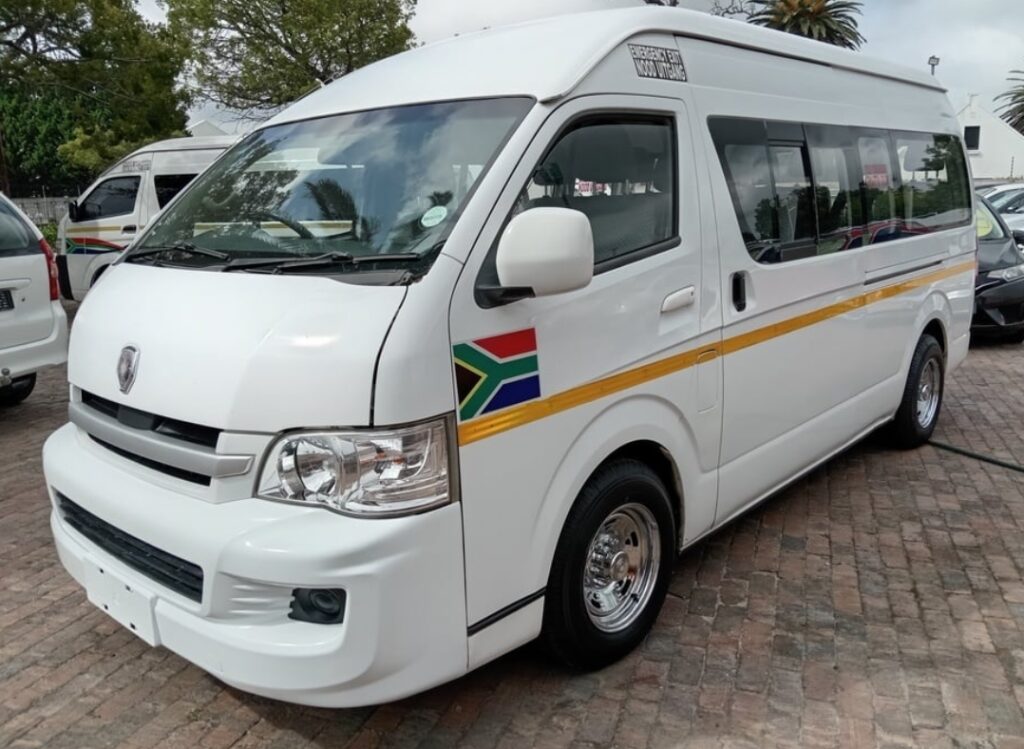
The Evolution of the Jinbei Haise: China’s Long-Running Toyota HiAce-Derived Van
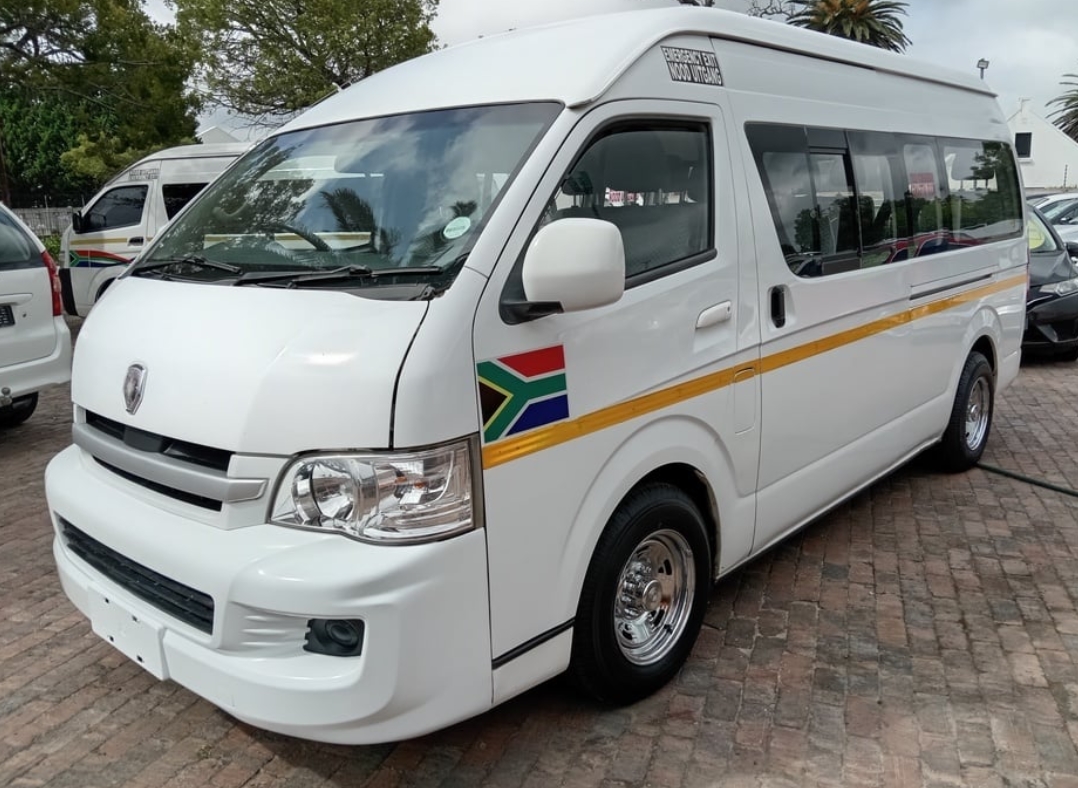
The Jinbei Haise is one of the most important commercial vehicles in the history of the Chinese automotive industry. Produced by Jinbei since 1991, the Haise has served as a passenger van, cargo van, minibus, ambulance, police vehicle, and commercial transporter. Over more than three decades of production, the model evolved through multiple generations and facelifts while maintaining its roots as a licensed derivative of the Toyota HiAce.
The Haise played a major role in establishing Jinbei as one of China’s leading manufacturers of commercial vehicles. It became a common sight throughout China and numerous export markets, where its affordability, durability, and versatility made it a popular choice among businesses, government agencies, and transportation operators. Although newer Jinbei vans have entered the market, the Haise name remains one of the most recognizable commercial vehicle brands in China.
Origins of the Jinbei Haise
The story of the Jinbei Haise began in the late 1980s when Chinese automakers increasingly sought partnerships with foreign manufacturers. Jinbei secured the rights to produce a localized version of the fourth-generation Toyota HiAce, one of the world’s most successful commercial vans.
On November 3, 1991, the first CKD (Completely Knocked Down) assembled Jinbei Haise rolled off the production line in Shenyang. The vehicle was essentially a licensed version of the fourth-generation Toyota HiAce, adapted for Chinese production and local market requirements.
From the beginning, the Haise was designed to serve a broad range of customers. Available in passenger, cargo, and minibus configurations, it quickly gained popularity due to its reliability and low operating costs.
.
NO MORE dead batteries with this:

.
Production Years
Unlike many commercial vehicles that remain in production for only one or two generations, the Jinbei Haise evolved continuously while older versions remained available alongside newer models.
Production timeline:
- Jinbei Haise I: 1991–2001
- Jinbei Haise II: 1999–2006
- Jinbei Haise III: 2002–2006
- Jinbei Haise IV: 2002–2011
- Jinbei Haise V: 2006–present
- Jinbei Haise VI: 2008–present
Several generations overlapped because Jinbei often continued producing older models as lower-cost alternatives while introducing updated versions at higher price points. This strategy allowed the company to serve multiple market segments simultaneously.
First Generation: Jinbei Haise I (1991–2001)
The original Haise closely resembled the pre-facelift Toyota HiAce H100.
Key characteristics included:
- Box-shaped body design
- Rear-wheel-drive layout
- Passenger and cargo configurations
- Gasoline and diesel engine options
- Seating capacities ranging from 8 to 15 passengers
The first generation established the vehicle’s reputation for practicality and durability. During the 1990s, demand for commercial transportation expanded rapidly throughout China, helping the Haise become one of the country’s best-known vans.
Available Models and Trims
Typical configurations included:
- Cargo Van
- Passenger Van
- Minibus
- Deluxe Passenger Van
- Ambulance Conversion
- Police Vehicle Conversion
Equipment levels were generally categorized as:
- Standard
- Deluxe
- Luxury
Specific trim names varied by region and fleet customer requirements.
Second Generation: Jinbei Haise II (1999–2006)
The second-generation model introduced a refreshed front fascia based on the facelifted Toyota HiAce while retaining much of the original platform.
Mechanical updates improved reliability and efficiency, while the revised styling helped modernize the vehicle’s appearance. Sales continued to grow, and by 1999 the company had produced its 200,000th Haise. By 2002, annual Haise sales exceeded 65,000 units.
Available Models and Trims
The lineup expanded to include:
- Standard Cargo
- Standard Passenger
- Deluxe Passenger
- Luxury Passenger
- School Bus
- Ambulance
Popular engine choices included gasoline and diesel four-cylinder powerplants.
Third Generation: Jinbei Haise III (2002–2006)
The third-generation Haise represented a further modernization of the HiAce-based platform.
While still clearly derived from the Toyota design, the vehicle received updated styling, improved interiors, and additional safety features. This generation helped Jinbei remain competitive as new domestic rivals entered the commercial vehicle market.
Available Models and Trims
Known configurations included:
- Cargo Van
- Passenger Van
- Executive Passenger
- Luxury Minibus
- Commercial Shuttle
Trim levels generally consisted of:
- Base
- Standard
- Deluxe
- Luxury
Fourth Generation: Jinbei Haise IV (2002–2011)
Introduced during 2002, the Haise IV featured a significantly redesigned front end and updated rear lighting.
Although the underlying platform remained closely related to previous generations, the redesign improved the vehicle’s appearance and helped extend its market life. The model became particularly popular among transportation companies and government fleets.
A major milestone occurred in October 2010 when Jinbei produced its one-millionth Haise. This achievement demonstrated the model’s extraordinary success within China’s commercial vehicle market.
Available Models and Trims
The fourth-generation lineup was one of the broadest in Haise history:
- Cargo Van
- Panel Van
- Passenger Van
- Executive Van
- Minibus
- Ambulance
- Police Vehicle
Trim levels commonly included:
- Standard
- Deluxe
- Business
- Luxury
Fifth Generation: Jinbei Haise V (2006–Present)
The fifth-generation Haise represented a major facelift rather than an entirely new vehicle.
Changes included:
- Updated grille design
- New headlights
- Redesigned rear section
- Improved interior materials
- Enhanced safety equipment
Despite the introduction of newer models, the Haise V remained in production because of strong demand from budget-conscious commercial operators.
Available Models and Trims
The Haise V offered one of the largest selections in the model’s history:
- Cargo Van
- Passenger Van
- Crew Van
- School Bus
- Minibus
- Ambulance
- Refrigerated Van
Trim levels included:
- Standard
- Comfort
- Deluxe
- Business
- Luxury
Engine options varied by market and included 2.0-liter, 2.2-liter, 2.4-liter, 2.5-liter diesel, and 2.8-liter diesel engines.
Sixth Generation: Jinbei Haise VI (2008–Present)
Launched on September 23, 2008, the sixth-generation Haise introduced the most substantial redesign in the vehicle’s history.
Although still based on the long-running HiAce-derived architecture, the Haise VI featured:
- Completely redesigned front fascia
- New rear styling
- Improved aerodynamics
- Updated dashboard
- Better passenger comfort
- Enhanced safety features
At the same time the sixth generation entered production, Jinbei celebrated the manufacture of its 800,000th Haise.
Available Models and Trims
The sixth-generation range included:
- Cargo Van
- Passenger Van
- Executive Shuttle
- Tourist Minibus
- Ambulance
- Police Vehicle
- School Transportation Vehicle
Trim levels typically included:
- Standard
- Comfort
- Deluxe
- Business Executive
- Luxury Executive
Global Expansion
One reason for the Haise’s longevity has been its international success.
The vehicle has been exported to:
- Chile
- Egypt
- Iran
- North Korea
- The Philippines
- Various African markets
- South American markets
In some countries, the vehicle has been assembled locally or sold under different names. Its low acquisition cost and proven mechanical design have made it particularly attractive in developing markets.
Relationship to Other Jinbei Models
The Haise also served as the foundation for several related vehicles.
These included:
- Jinbei Grand Haise
- Jinbei H2
- Jinbei H2L
- Jinbei New Haise
- Jinbei Haise King (Haishiwang)
Many of these models expanded the Haise concept into larger, more luxurious, or more specialized commercial vehicles.
Legacy and Future Outlook
The Jinbei Haise has become one of the most successful commercial vehicles ever produced in China. Few domestic vehicles have remained in production for such a long period while continuously evolving to meet changing customer demands.
Its legacy includes:
- More than three decades of production
- Over one million units produced
- Widespread export success
- Extensive use in commercial, government, and public-service fleets
- Establishing Jinbei as a leading commercial vehicle manufacturer
Looking ahead, the future of the Haise name is likely to involve modernization rather than discontinuation. Newer vehicles such as the Jinbei Haise King demonstrate how the company is updating the formula with improved safety, modern styling, and enhanced manufacturing standards while retaining the practicality that made the original Haise successful.
The Jinbei Haise remains a landmark vehicle in China’s automotive history. From its origins as a licensed Toyota HiAce derivative to its evolution into a family of commercial vehicles serving markets around the world, the Haise has proven remarkably adaptable. Its long production run, extensive model range, and enduring popularity ensure its place among the most influential commercial vans ever built in China.