The Evolution of the Soueast V5 Lingzhi: A Mitsubishi-Based Compact Sedan for China’s Growing Market
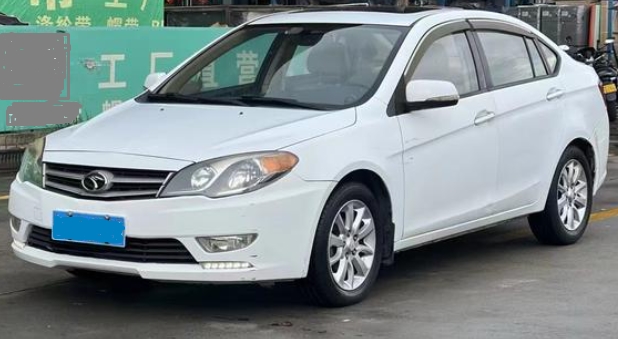
The Soueast V5 Lingzhi represents a significant chapter in the development of China’s domestic automotive industry. Produced from 2012 to 2020, the V5 Lingzhi combined international engineering influences with local manufacturing efficiency, positioning itself as an affordable yet relatively modern compact sedan. Over its lifecycle, the model evolved through multiple updates, trim variations, and even electrified versions, reflecting both technological progress and shifting consumer expectations.
Origins and Development Background
The V5 Lingzhi did not emerge in isolation. It was developed by Soueast Motors, a joint venture established in 1995 involving Chinese and international partners, including Mitsubishi. This collaboration gave Soueast access to proven platforms and engineering expertise.
The conceptual roots of the V5 date back to the 2008 Beijing Auto Show, where an early prototype was introduced. The production model officially debuted at the 2012 Beijing Auto Show, marking Soueast’s first independently developed sedan.
The V5 Lingzhi replaced the earlier V3 Lingzhi, signaling a step forward in both design and engineering maturity. It was built on a platform derived from the Mitsubishi Lancer, which provided a solid foundation for ride quality, reliability, and performance.
.
THIS is GOOD stuff if your car is in need:

.
First Generation (2012–2014): Initial Launch and Trim Structure
Production Years:
2012–2014 (early phase)
The V5 Lingzhi officially entered the Chinese market in September 2012. It was positioned as a compact four-door sedan targeting budget-conscious buyers seeking a balance between affordability and modern styling.
Early Engine and Powertrain Options
At launch, the V5 featured:
- 1.8-liter Mitsubishi-sourced engine (approx. 144 horsepower)
- CVT transmission
Shortly afterward, Soueast introduced:
- 1.5-liter naturally aspirated engine
- 1.5-liter turbocharged engine
These additions expanded the lineup and improved affordability.
Trim Levels (2012–2014)
While official trim naming conventions varied by year and region, the early lineup generally included:
- Base / Standard
- Comfort / Mid-level
- Luxury / Premium
These trims differed in:
- Infotainment features
- Interior materials
- Safety equipment
- Transmission availability
Key Characteristics
- Front-engine, front-wheel drive layout
- Compact sedan body style
- Competitive pricing (roughly 70,000–90,000 yuan)
The V5 quickly established itself as a practical and economical choice in China’s highly competitive compact sedan segment.
Expansion and Variant Growth (2013–2015)
Following the sedan’s launch, Soueast expanded the V5 platform into additional body styles and configurations.
Related Models
- Soueast V6 Lingshi (2013–)
- Soueast V Cross
These variants broadened the appeal of the V5 architecture, targeting different customer preferences.
Additional Variants and Fuel Types
During this period, the V5 Lingzhi lineup expanded to include:
- CNG (compressed natural gas) versions
- Electric variant (early development stage)
- Multiple 1.5L configurations (ranging from ~120 to 150 horsepower)
Trim and Variant Count
By the mid-2010s, the V5 Lingzhi had at least 7 distinct variants, reflecting:
- Engine differences
- Fuel types
- Equipment levels
Facelift and the Lingzhi Plus Era (2015–2020)
Production Years:
2015–2020 (facelift phase)
In 2015, Soueast introduced a significant facelift known as the V5 Lingzhi Plus.
Design Updates
- Redesigned front grille and headlights
- Updated rear styling
- Minor aerodynamic improvements
Mechanical and Feature Enhancements
The facelift retained the core engine lineup:
- 1.5L naturally aspirated
- 1.5L turbocharged
Transmission options included:
- 5-speed manual
- CVT (continuously variable transmission)
Performance improved slightly, with turbo variants reaching:
- Up to 150 horsepower
- Approximately 200 Nm of torque
Trim Levels (Lingzhi Plus)
The facelift significantly expanded the range, offering 7 trim variants, typically including:
- Standard / Entry-level
- Comfort
- Elite
- Luxury
- Flagship / Top-tier
These trims added features such as:
- Touchscreen infotainment systems
- Reverse cameras
- Improved upholstery
- Alloy wheels
- Enhanced safety equipment
Pricing Range
The updated model ranged from approximately:
- 76,900 to 105,900 yuan
Electric and Alternative Powertrain Variants (2015–2018)
As China pushed toward electrification, the V5 Lingzhi platform adapted.
Soueast V5 EV
By 2018, an electric version of the V5 Lingzhi was available.
Key characteristics included:
- Fully electric drivetrain
- Urban-focused range
- Similar body structure to the gasoline model
Other Fuel Variants
- CNG-powered versions for cost-conscious buyers
- Multiple gasoline engine outputs (120–150 horsepower)
This diversification allowed Soueast to serve a broader market, especially in regions with varying fuel costs and regulations.
Technical Overview
Throughout its production lifecycle, the V5 Lingzhi maintained consistent core specifications:
- Platform: Derived from Mitsubishi Lancer
- Layout: Front-engine, front-wheel drive
- Wheelbase: ~102.9 inches
- Length: ~180.2 inches
- Engines:
- 1.5L inline-four
- 1.5L turbo inline-four
- 1.8L Mitsubishi-sourced engine
- Transmissions:
- 5-speed manual
- CVT
These specifications positioned the V5 as a practical daily driver rather than a performance-oriented vehicle.
Market Position and Competitors
The V5 Lingzhi competed in China’s crowded compact sedan market, going up against models from both domestic and international brands.
Strengths
- Affordable pricing
- Proven Mitsubishi-based engineering
- Multiple engine and fuel options
- Wide trim range
Weaknesses
- Conservative design compared to newer rivals
- Limited advanced safety features
- Aging platform by late production years
Despite these limitations, the V5 maintained steady sales due to its value proposition.
End of Production and Successor
The Soueast V5 Lingzhi was produced until approximately 2020, after which it was gradually phased out.
Its role was effectively replaced by newer models such as:
- Soueast A5
These newer vehicles offered:
- Updated platforms
- Modern styling
- Improved technology
Role in Soueast’s Brand Development
The V5 Lingzhi was a milestone vehicle for Soueast. It was:
- The company’s first independently developed sedan
- A key step in transitioning from licensed production to original design
- A foundation for future models and global expansion
By the late 2010s, Soueast had expanded into multiple international markets, using models like the V5 to build brand recognition.
Future Outlook
Although the V5 Lingzhi itself is no longer in production, its legacy continues in several ways.
Electrification
The introduction of the V5 EV signaled Soueast’s early interest in electric mobility, a trend that continues across the industry.
Platform Evolution
Future Soueast vehicles are expected to:
- Use more advanced architectures
- Incorporate hybrid and electric powertrains
- Offer improved safety and connectivity features
Global Expansion
Soueast has announced plans to expand into additional global markets, suggesting that lessons learned from the V5 Lingzhi will inform future products.
The Soueast V5 Lingzhi’s evolution can be summarized across its production lifecycle:
- 2012–2014: Initial launch with Mitsubishi-derived engineering and basic trim structure
- 2013–2015: Expansion into multiple variants and body styles
- 2015–2020: Lingzhi Plus facelift with expanded trims and improved features
- 2015–2018: Introduction of electric and alternative fuel versions
Over time, the model offered:
- Multiple engines (1.5L, 1.5T, 1.8L)
- Manual and CVT transmissions
- Up to 7 trim levels in later years
The V5 Lingzhi may not have been revolutionary, but it was undeniably important. It marked Soueast’s transition into independent vehicle development and demonstrated the company’s ability to compete in one of the world’s most demanding automotive markets. Today, it stands as a stepping stone toward more advanced and globally competitive models in Soueast’s lineup.