The Evolution of the Lifan X60: Lifan’s Global Compact SUV Workhorse
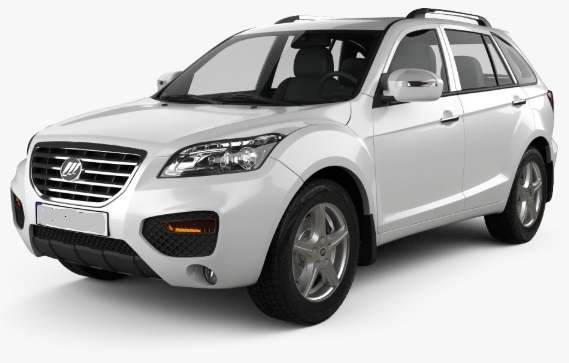
The Lifan X60 is one of the most important vehicles in the history of Lifan Group, serving as the company’s first true compact crossover SUV and its most widely recognized global model. Produced for much of the 2010s, the X60 helped Lifan expand beyond small sedans and into the rapidly growing SUV market. Although it was ultimately discontinued, the X60 remains a key example of early Chinese crossover development and export strategy.
Origins and Early Development
The Lifan X60 was first previewed as a concept vehicle at the 2010 Shanghai Auto Show. It represented Lifan’s ambition to enter the compact SUV segment, which was experiencing rapid growth worldwide.
The production version debuted at the 2011 Beijing Auto Show, marking the company’s first serious attempt at building a modern crossover SUV.
This move was significant for Lifan, which had previously focused on sedans like the Lifan 520 and 620. By launching the X60, the company aligned itself with global trends favoring higher-riding, family-oriented vehicles.
.

.
Production Timeline and Generations
The Lifan X60 had a relatively long production run compared to other Lifan models, spanning nearly a decade.
Production Years:
- 2011 – Start of production and initial release
- 2012–2014 – Expansion into domestic and export markets
- 2015 – First major facelift (restyling)
- 2016–2018 – Updated versions and continued production
- 2018 – End of production in most markets
Generational Structure:
Unlike many competitors, the X60 remained within a single generation, but underwent two major facelifts:
- 2011–2015: Original Model
- 2015–2016: First Facelift
- 2016–2018: Second Facelift
This approach allowed Lifan to extend the model’s lifecycle without investing in a completely new platform.
Platform, Design, and Dimensions
The X60 was designed as a compact crossover SUV, offering a balance between size, affordability, and practicality.
Key Specifications:
- Length: 170.3 inches (4325 mm)
- Width: 70.5 inches (1790 mm)
- Height: 66.5 inches (1690 mm)
- Wheelbase: 102.4 inches (2600 mm)
Design Characteristics:
- Conventional SUV silhouette
- Raised ride height
- Front-wheel-drive layout only
While the design was often compared to the Toyota RAV4, the X60 was built on its own platform and targeted a lower price segment.
Inside, the vehicle emphasized space and flexibility, with a relatively roomy cabin for its class.
Powertrain and Performance Evolution
The Lifan X60 maintained a simple and consistent mechanical setup throughout its production life.
Engine:
- 1.8-liter inline-4 gasoline engine
- Output: approximately 128–133 horsepower
- Torque: around 162–168 Nm
Transmission Options:
- 2011–2013: 5-speed manual only
- 2014 onward: Introduction of automatic options
- 2015 facelift: CVT transmission added
Performance:
- Top speed: approximately 105–106 mph (170 km/h)
- Acceleration (0–62 mph): about 14.5 seconds
The X60 prioritized reliability and affordability over performance, making it suitable for everyday driving rather than spirited use.
Models and Trim Levels
The Lifan X60 was offered in a variety of trims across different markets. While exact naming conventions varied, the structure generally followed a consistent hierarchy.
2011–2013: Initial Launch Trims
At launch, the X60 was available primarily with a manual transmission and a limited number of trims.
Typical Trim Levels:
- Basic / Standard
- Comfort
- Luxury
Key Features by Trim:
Base (Standard):
- Cloth seats
- Manual air conditioning
- Basic audio system
Comfort:
- Improved interior materials
- Alloy wheels
- Enhanced audio system
Luxury:
- Leather seating
- Sunroof (in some markets)
- Additional convenience features
These trims focused on affordability, with incremental improvements in comfort and equipment.
2014–2015: Expanded Lineup
By 2014, the X60 lineup expanded with the addition of automatic transmission options.
Updates:
- Introduction of CVT in select markets
- Improved infotainment systems
- Broader trim differentiation
Trim levels remained similar but became more feature-rich.
2015 Facelift (First Restyling)
The 2015 update marked the first major evolution of the X60.
Changes Included:
- Redesigned front grille
- Updated rear lighting
- Minor interior improvements
- Introduction of CVT as a more widely available option
Trim Levels:
- Standard
- Comfort
- Luxury / Flagship
Higher trims now included more modern features such as touchscreen displays and improved materials.
2016–2018: Second Facelift and Final Models
The second facelift refined the X60 further without major structural changes.
Updates:
- Revised styling elements
- Improved engine tuning
- Enhanced feature availability
Final Trim Structure:
- Entry-level (fleet-oriented)
- Mid-range (Comfort)
- High-end (Luxury/Flagship)
By this stage, the X60 had matured into a more competitive product within its segment.
Features and Technology
The X60’s features evolved over time, reflecting improvements in technology and consumer expectations.
Standard Features:
- Air conditioning
- Power windows and mirrors
- Basic infotainment system
Higher Trim Features:
- Touchscreen infotainment
- Navigation system
- Leather upholstery
- Sunroof
- Rearview camera
While not class-leading, these features were competitive for a budget SUV during the early-to-mid 2010s.
Global Market Presence
One of the X60’s most notable achievements was its strong export presence.
Key Markets:
- China
- Russia (assembled locally)
- Iran
- Azerbaijan
- Uruguay
The X60 became one of Lifan’s best-selling global models, helping establish the brand in emerging markets.
Sales Performance
The X60 enjoyed significant early success, particularly in China.
Sales Highlights:
- 2012: over 35,000 units
- 2013: over 56,000 units
- 2014: peak of over 60,000 units
However, sales declined in later years as competition increased and newer models entered the market.
Strengths and Weaknesses
Strengths:
- Affordable pricing
- Spacious interior
- Simple, reliable engine
Weaknesses:
- Modest performance
- Limited technology compared to rivals
- Build quality concerns in some markets
These factors contributed to its mixed reception among critics and consumers.
Role in Lifan’s Lineup
The X60 was a cornerstone of Lifan’s SUV lineup.
Positioning:
- Above smaller models like the X50
- Below larger SUVs like the X70 and X80
It served as the company’s primary compact crossover and was one of its most recognizable vehicles internationally.
Legacy and Industry Context
The Lifan X60 represents an important phase in the evolution of Chinese automakers.
Key Contributions:
- Helped popularize compact SUVs in emerging markets
- Demonstrated Lifan’s ability to compete globally
- Served as a foundation for later SUV models
However, its lifecycle also coincided with increasing competition and rising expectations for quality and technology.
Future Outlook
Although the X60 was discontinued around 2018, its legacy continues indirectly.
Post-X60 Developments:
- Lifan underwent financial restructuring
- Formation of new ventures such as Livan Automotive
- Shift toward electric vehicles and battery-swapping technology
Industry Trends:
- Transition from gasoline SUVs to EVs
- Increased emphasis on connectivity and autonomy
- Greater competition from established global brands
While the X60 itself has no direct successor, its role in establishing Lifan’s SUV presence remains significant.
The Lifan X60, produced from 2011 to 2018, stands as one of the most important models in Lifan’s history. With a single generation that evolved through two facelifts, it offered a range of trims—from basic to luxury—designed to meet the needs of budget-conscious buyers.
Its combination of affordability, practicality, and global reach made it a success in its early years, even as limitations in performance and quality became more apparent over time. Ultimately, the X60 reflects both the ambition and the challenges of Chinese automakers during the 2010s—a period marked by rapid growth, intense competition, and the beginnings of a shift toward electrification.
As the automotive industry continues to evolve, the X60 remains a noteworthy milestone—a vehicle that helped define Lifan’s identity and paved the way for its future transformation.