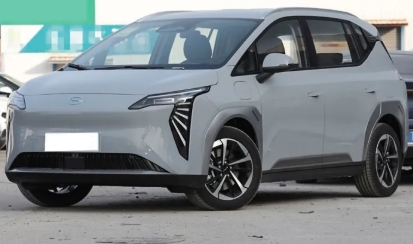
The Evolution of the Roewe 360: A Compact Sedan That Bridged Generations
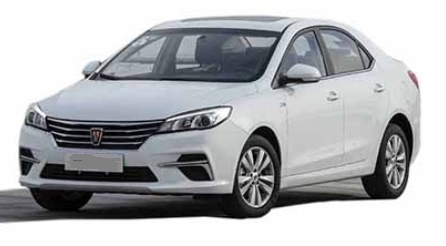
The Roewe 360 is a compact family sedan produced by SAIC Motor under its Roewe sub‑brand. Launched in 2015 as the successor to the Roewe 350, the 360 aimed to modernize Roewe’s compact car lineup with a more contemporary design, updated powertrains sourced through a strategic technology partnership, and improved features for buyers in China’s rapidly growing automotive market. Although its production run was brief—ending in 2018—the Roewe 360 played an important role in transitioning Roewe from its earlier models toward more modern and globally competitive products.
This article traces the evolution of the Roewe 360, detailing its production history, engines, trim levels, facelifts, sales performance, and legacy in the compact sedan segment.
Background: From Roewe 350 to Roewe 360
Before the Roewe 360, the brand’s compact‑car position was filled by the Roewe 350, produced from 2010 to 2014. The 350 was a conventional compact sedan that helped establish Roewe’s presence in the smaller car segment.
In 2014, SAIC reached an agreement allowing Roewe to use General Motors engine and transmission technology in select models. This collaboration enabled Roewe to equip its next compact sedan with more modern powertrains.
The result was the Roewe 360, revealed in 2015 as a more refined, more powerful, and more competitively priced competitor in the compact sedan category.
.

.
First Model Year (2015): Introduction and Specifications
Launch and Production
- Production start: 2015
- Assembly locations: Nanjing and Pukou, China (with some assembly overseas)
- Class: Compact family car (C‑segment)
- Body Style: 4‑door sedan
- Platform: GM‑PATAC K platform, shared with models like the MG 5 and MG GT
The Roewe 360’s design principles centered on modern, stylish looks, roomy interiors, and strong value for money. Its size—4,579 mm long, 1,804 mm wide, and 1,490 mm tall, riding on a 2,660 mm wheelbase—placed it squarely in the competitive compact segment.
Powertrain Options
At launch, Roewe offered the 360 with two petrol engines:
- 1.5‑liter naturally aspirated inline‑four engine producing around 116 horsepower
- 1.4‑liter turbocharged inline‑four engine producing around 156 horsepower
These engines were paired with a range of transmissions:
- 5‑speed manual
- 4‑speed automatic
- 7‑speed dual‑clutch transmission (DCT)
The Roewe 360’s shared GM‑sourced powertrain components reflected both the technology deal with General Motors and SAIC’s goal of offering reliable, proven mechanicals in its compact sedan.
Trim Structure and Model Variants
Throughout its production, the Roewe 360 was available in a range of configurations that combined the different engines and transmissions with equipment levels. Exact trim names varied over time, but the structure generally followed a hierarchy of features and performance:
Entry‑Level Trim
- 1.5‑liter engine
- Manual transmission
- Standard infotainment and interior materials
Mid‑Level Trim
- 1.5‑liter engine
- Automatic or DCT transmission optional
- Additional comfort features such as air conditioning upgrades and larger wheels
High‑End Trim
- 1.4‑liter turbocharged engine
- Dual‑clutch transmission for smoother acceleration
- Enhanced interior upholstery
- Larger infotainment screens and additional convenience features
This tiered approach allowed buyers to choose between simple, value‑oriented sedans and more fully equipped variants that offered stronger performance and comfort.
2017 Facelift: Roewe 360 Plus
In 2017, Roewe introduced a mid‑cycle refresh of the 360, marketed as the Roewe 360 Plus. The facelift was designed to update the 360’s styling and features in line with Roewe’s evolving design language, which had recently been applied to models such as the Roewe RX3, RX5, i6, and the facelifted Roewe 950.
Design Changes
The 360 Plus featured several exterior revisions:
- Redesigned front bumper and grille
- Updated headlamps and rear lighting treatment
- A more contemporary front fascia that aligned with newer Roewe models
According to contemporary auto press reports, these updates gave the 360 Plus a fresher appearance and helped sustain customer interest as newer competitors targeted the compact sedan segment.
Interior and Feature Enhancements
The 360 Plus also received interior updates to:
- Improve materials and cabin refinement
- Integrate a larger infotainment screen (up to 8 inches in some trims)
- Enhance connectivity and driving comfort features compared with the pre‑facelift 360
Pricing for the 360 Plus was positioned modestly higher than the original 360, reflecting its refreshed styling and updated equipment.
Sales Performance and Market Position
The Roewe 360 experienced varying sales over its production life. According to sales data from Chinese automotive market sources:
- 2015: ~24,697 units sold
- 2016: ~82,861 units (peak year)
- 2017: ~51,367 units
- 2018: ~38,891 units
- 2019: ~2,283 units (post‑production sales of remaining stock)
These figures reflect a strong initial market response followed by a gradual decline as competition increased and newer models entered the segment.
The 360 faced competition from both domestic rivals and international brands offering compact sedans with more modern styling, technology, and fuel efficiency. Nonetheless, it maintained a presence in the Chinese market because of its balanced value proposition and strong dealership support.
End of Production and Legacy (2018–2019)
Production of the Roewe 360 officially ended in 2018. Its role in Roewe’s lineup—providing an affordable, competent compact sedan—was taken over by the Roewe i5, which continued to evolve the brand’s compact offerings with more contemporary design, updated technology, and wider powertrain choice.
Although the 360 was relatively short‑lived compared with some of Roewe’s other models, it served an important transitional role between the older 350 and more modern, tech‑focused sedans that followed.
Design and Engineering Summary
Platform and Mechanical Identity
- Platform: GM‑PATAC K platform shared with the MG 5 and MG GT
- Layout: Front‑engine, front‑wheel drive
- Engine choices:
- 1.5L naturally aspirated I4
- 1.4L turbocharged I4
- Transmissions: 5‑speed manual, 4‑speed automatic, 7‑speed DCT
This mechanical setup provided a balance between reliability, fuel economy, and performance appropriate to the compact car category.
Safety and Convenience
Standard and optional equipment across trims included:
- Airbags and ABS as standard
- Larger infotainment screens on higher trims
- Connectivity features such as smartphone integration (Android MirrorLink, Apple CarPlay, SDL in some models)
Future Outlook and Place in Roewe History
While the Roewe 360 no longer appears in SAIC’s current product lineup, its place in the company’s evolution is meaningful:
- It modernized Roewe’s compact sedan offering at a time when competition was intensifying in China’s automotive market.
- It introduced GM‑sourced engines and transmissions into Roewe sedans, improving performance and refinement.
- It visually bridged older Roewe designs and the brand’s newer family styling language seen in later models.
The transition from the 360 to the Roewe i5 demonstrates Roewe’s broader strategy of continual refreshment of its product line with improved technology, safety, and connectivity. Future compact Roewe models will likely prioritize electrification and intelligent vehicle technologies as China’s EV adoption continues to grow.
The Roewe 360 was a compact sedan produced from 2015 to 2018 that played an important role in updating Roewe’s entry‑level offerings with more modern engineering, styling, and features. Its evolution included:
- Initial model (2015–2016): A contemporary successor to the Roewe 350
- Facelifted Roewe 360 Plus (2017–2018): Refreshed design and interior improvements
- Sales peak in 2016, followed by gradual decline as the segment became more competitive
With its dual engine offerings, multiple transmissions, and trim levels that balanced affordability with equipment, the 360 exemplified the compact sedan strategy of Roewe during its production run. Though replaced by the more advanced Roewe i5, the 360 helped establish the brand’s presence in the compact sedan segment during a critical phase of China’s automotive development.