The Evolution of the Ruichi ES50: DFSK’s Compact Electric Passenger Van for Urban Mobility
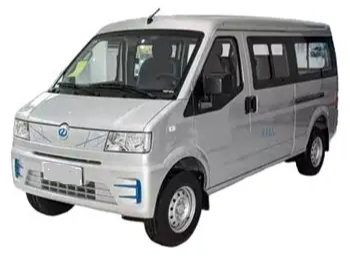
The Ruichi ES50 is a compact electric passenger van developed by Ruichi Automobile, a commercial new-energy vehicle brand under the Seres Group and closely connected to DFSK’s broader manufacturing ecosystem. Introduced in the early 2020s and produced through the mid-2020s into the present, the ES50 represents one of the company’s key entries into the affordable electric minivan and light logistics segment.
Designed primarily for urban passenger transport, shuttle services, and light commercial use, the ES50 combines a simple electric drivetrain with flexible seating configurations and a compact body optimized for city environments. It sits within a broader lineup of Ruichi electric vans such as the EC35, EC75, and R5, forming part of the company’s strategy to dominate the low-cost electric commercial vehicle market in China and export regions.
Origins and Development History
The Ruichi ES50 was developed during a period when Chinese automakers were rapidly expanding their electric commercial vehicle offerings. Ruichi Automobile, established in the early 2000s and later integrated into the Seres Group ecosystem, focused heavily on electric logistics and passenger vans.
The ES50 was introduced in the early 2020s as part of this transition, targeting:
- Urban shuttle operators
- Small business transport services
- Ride-sharing fleets
- Cargo-passenger dual-use operators
It was designed to fill a gap between smaller electric vans and larger commercial minibuses, offering a balance of passenger capacity, cargo flexibility, and low operating cost.
By 2024, the ES50 was listed in updated product catalogs as a current-generation model with standardized specifications for export and domestic markets.
.

.
Production Timeline
| Model | Years Produced |
|---|---|
| Ruichi ES50 | Early 2020s–present |
The ES50 remains in active production as part of Ruichi’s ongoing electric van lineup and has not yet received a full generational redesign.
Vehicle Classification and Role
The Ruichi ES50 is classified as a small electric minibus / passenger van. It is built on a unibody structure designed for efficiency, cost control, and flexible interior configurations.
Typical usage scenarios include:
- Airport and hotel shuttle services
- Urban ride-hailing fleets
- School or staff transport
- Light cargo delivery with seat-folding configuration
Its design emphasizes adaptability rather than luxury or high-speed performance.
Dimensions and Platform Design
The ES50 uses a compact van platform optimized for tight urban environments.
Key dimensions:
- Length: approximately 177 inches (4,500 millimeters)
- Width: approximately 66 inches (1,680 millimeters)
- Height: approximately 79 inches (2,000 millimeters)
- Wheelbase: approximately 120 inches (3,050 millimeters)
This long wheelbase relative to its overall length allows for a surprisingly spacious interior cabin, which is critical for its dual passenger and cargo roles.
Exterior Design Evolution
The Ruichi ES50 features a practical and functional design typical of modern Chinese electric vans.
Key design elements include:
- Box-shaped body for maximum interior volume
- Sliding side doors for easy passenger access
- Large rear cargo doors for loading efficiency
- Simplified aerodynamic front fascia
- Vertical headlamp design for visibility and cost efficiency
A later design update introduced a more modern “starship-style” front end with sharper lighting signatures and a cleaner EV identity, aligning it with newer Ruichi models such as the EC75 and R5.
Despite these updates, the ES50 remains fundamentally utilitarian, prioritizing function over styling.
Powertrain and Battery System
The Ruichi ES50 is fully electric and uses a simple, durable drivetrain designed for commercial duty cycles.
Core specifications:
- Electric motor output: approximately 60 kilowatts (about 80 horsepower)
- Torque: approximately 220 newton-meters
- Motor layout: rear-mounted electric motor in most configurations
- Battery type: lithium iron phosphate (LFP)
- Battery capacity: approximately 38.6 kilowatt-hours
Performance and range:
- Maximum speed: about 62 miles per hour (100 kilometers per hour)
- Driving range: approximately 157 miles (252 kilometers, CLTC cycle)
The ES50 is not designed for highway performance or long-distance travel. Instead, it focuses on predictable urban range and low-cost fleet operation.
Charging and Efficiency
The ES50 supports both slow and fast charging systems:
- Fast charging (approximately 20 percent to 80 percent): around 1.3 hours
- Full charging (fast charge): about 2.5 hours
- Slow charging: roughly 7 to 8 hours
This flexibility makes it suitable for overnight depot charging or mid-shift fleet top-ups.
Interior Layout and Functionality
One of the defining features of the Ruichi ES50 is its flexible seating system.
Seating configurations:
- Six-seat layout
- Seven-seat layout (most common)
- Flexible folding rear seats for cargo conversion
A typical configuration uses a 2 + 2 + 3 seating arrangement, allowing passengers to be distributed for comfort or efficiency depending on use case.
Interior features include:
- Basic digital instrument display
- Central infotainment screen (varies by trim)
- Manual climate control
- Durable vinyl or fabric seating materials
- Sliding door access for rear rows
The interior is designed for durability and ease of cleaning rather than premium comfort.
Trim Levels and Configurations
Unlike passenger cars, the Ruichi ES50 is not traditionally marketed with luxury-style trim names. Instead, it is offered in configuration-based variants depending on usage.
Main configuration types:
- Standard Passenger Version
- Base configuration
- Focus on cost efficiency and fleet use
- 7-Seater Shuttle Version
- Expanded seating capacity
- Ideal for public transport or ride-hailing fleets
- Cargo-Convertible Version
- Foldable or removable seats
- Increased cargo volume for logistics use
- High-Equipment Fleet Version
- Enhanced safety systems
- Improved infotainment and connectivity tools
Across these configurations, differences are mainly functional rather than luxury-based.
Safety and Driver Assistance
The ES50 includes essential safety features expected in modern commercial EVs:
- Anti-lock braking system
- Electronic brakeforce distribution
- Reverse parking sensors
- Rear-view camera (in most trims)
- Seatbelt and child safety systems
- Stability control systems in updated versions
More advanced driver-assistance features are generally reserved for newer Ruichi platforms.
Market Position and Reception
The Ruichi ES50 is positioned as a low-cost electric urban van, competing primarily in China’s rapidly growing commercial EV sector.
Strengths:
- Low operating cost compared with gasoline vans
- Flexible passenger and cargo configurations
- Compact size ideal for city use
- Simple and durable drivetrain
- Fast-growing EV fleet adoption compatibility
Limitations:
- Limited top speed and highway capability
- Basic interior compared with passenger cars
- Modest range compared with larger EV vans
- Limited global brand recognition
Despite these limitations, the ES50 plays an important role in electrifying short-distance transport fleets.
Relationship to Other Ruichi Models
The ES50 fits within a broader Ruichi electric commercial lineup that includes:
- Ruichi EC35 (smaller van platform)
- Ruichi EC75 (larger passenger/cargo van)
- Ruichi R5 (next-generation intelligent EV van)
Together, these models form a scalable family of electric commercial vehicles covering different fleet sizes and operational needs.
Future Outlook
The future of the Ruichi ES50 will likely follow broader trends in electric commercial mobility:
- Larger battery options for extended range
- Faster charging systems for fleet efficiency
- Improved digital fleet management integration
- Possible autonomous or semi-autonomous driving features
- Interior modernization for passenger comfort upgrades
However, as newer platforms like the Ruichi R5 emerge, the ES50 may eventually transition into a more budget-oriented entry-level van or be replaced entirely by next-generation models.
The Ruichi ES50 represents an important step in China’s electrification of urban transport. Since its introduction in the early 2020s, it has served as a practical, affordable, and adaptable electric van for passenger and light commercial use.
While not designed for luxury or long-distance performance, its strength lies in efficiency, flexibility, and fleet usability. As part of the broader Ruichi and Seres ecosystem, the ES50 demonstrates how electric mobility is reshaping urban transportation and commercial logistics across China and emerging global markets.