The Evolution of the Ruichi R5: DFSK’s Modern Electric Logistics Van
The Ruichi R5 is a modern electric light commercial vehicle produced by Ruichi Automobile, a commercial vehicle brand under the broader DFSK and Sokon industrial ecosystem in China. Introduced in the mid-2020s, the R5 represents the company’s latest step in developing intelligent, battery-electric vans designed for urban logistics, fleet operations, and adaptable commercial use cases.
Unlike earlier DFSK passenger SUVs such as the Fengon lineup, the Ruichi R5 is primarily focused on utility. It is designed as a high-capacity electric van that can serve delivery fleets, mobile businesses, and specialized conversion applications such as camper builds and mobile workshops. The model reflects China’s rapid expansion of electrified commercial transport and the shift toward software-defined logistics vehicles.
Origins and Development Background
The Ruichi R5 was developed as part of Ruichi Automobile’s expansion into next-generation electric logistics platforms. The Ruichi brand itself focuses on commercial vehicles, including vans, light trucks, and specialized urban delivery platforms. The R5 follows earlier electric commercial models such as the Ruichi EC75, which helped establish the company’s entry into the EV van segment.
The R5 was officially introduced around 2025 as a new-generation smart electric van built on a proprietary modular platform. It incorporates Ruichi’s latest technologies, including:
- Smart Platform M architecture
- Yuntu intelligent cockpit system
- Advanced navigation and fleet management tools
- “Peak Series” battery technology
These systems are intended to improve operational efficiency, safety, and connectivity for commercial fleet operators.
.

.
Production Timeline
| Model | Years Produced |
|---|---|
| Ruichi R5 | 2025–present |
Since it is a very recent model, the Ruichi R5 has not yet undergone a generational redesign or major mid-cycle facelift. Instead, it currently exists as a single first-generation platform with multiple configuration variants.
Vehicle Classification and Dimensions
The Ruichi R5 is classified as a medium-to-large electric logistics van. It is designed to maximize cargo volume while maintaining maneuverability in dense urban environments.
Typical dimensions include:
- Length: approximately 203 inches (about 5,170 millimeters)
- Width: approximately 73 inches (about 1,860 millimeters)
- Height: approximately 79 inches (about 2,020 millimeters)
These proportions place it in the competitive electric van segment used for last-mile delivery and fleet logistics operations.
Design Evolution and Exterior Features
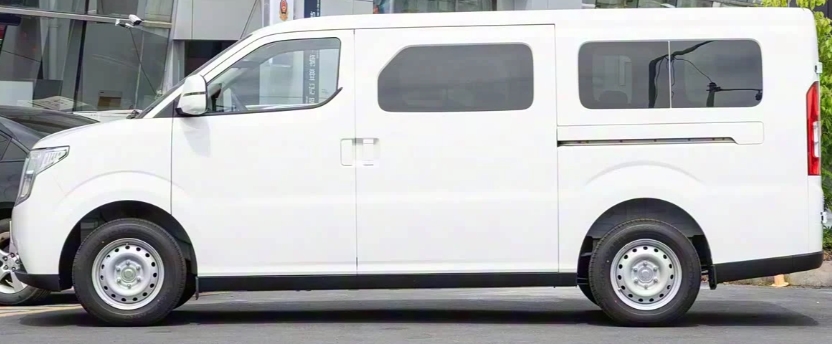
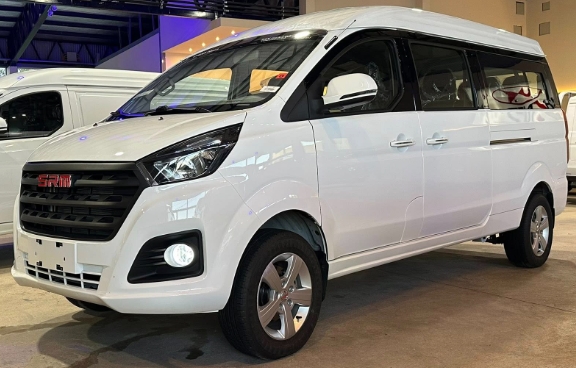
The Ruichi R5 introduces a modern, technology-focused design language compared with earlier Ruichi vans such as the EC75. Its exterior styling emphasizes aerodynamics, efficiency, and a recognizable corporate identity.
Key design features include:
- Fully enclosed front fascia optimized for aerodynamics
- Diamond-cut vertical LED headlights
- Clean, squared body shape for maximum cargo space
- Integrated lighting elements for charging status indication
- Sliding side doors for urban loading efficiency
- Wide rear cargo access doors
The design is not intended for luxury but rather for practicality, durability, and visibility in fleet environments. The “Energy Shield” front design theme highlights its electric identity and distinguishes it from combustion-based commercial vans.
Powertrain and Battery System
The Ruichi R5 is fully electric and built around a dedicated EV platform optimized for commercial duty cycles.
Core powertrain characteristics:
- Fully electric drivetrain
- Rear-wheel-drive layout (typical for cargo vans in this class)
- High-capacity lithium iron phosphate (LFP) battery system
- Fast-charging capability designed for fleet turnaround efficiency
Battery and range:
In camper and passenger-conversion configurations derived from the same platform, the battery capacity is reported at approximately:
- Around 52 kilowatt-hours
Estimated driving range:
- Up to about 200 miles under standard testing cycles (varies by configuration and load)
This range positions the R5 as a practical solution for urban delivery routes and short-to-medium regional logistics operations.
Interior Design and Technology
One of the key advancements in the Ruichi R5 is its interior technology, which is significantly more advanced than older commercial vans.
The cabin includes:
- Dual-screen digital interface (large central display plus secondary screen)
- Smart fleet management integration
- Digital instrument cluster
- Ergonomic driver-focused cockpit layout
- Connectivity for logistics tracking systems
The dual-screen setup is one of the most advanced in its class and reflects Ruichi’s strategy of blending commercial utility with passenger-car-level digital features.
Additional features include:
- Wireless phone charging
- Climate-controlled storage compartments in some versions
- Enhanced seating materials for driver comfort
- Simplified control layout for ease of use during long shifts
Trim Levels and Configurations
The Ruichi R5 is not traditionally organized into consumer-style trims like passenger SUVs. Instead, it is offered in multiple configuration-based variants depending on use case.
Common configurations include:
Cargo Van Version
- Standard logistics-focused model
- Maximum cargo volume
- Minimal interior fittings for durability and cost efficiency
Passenger/Transport Version
- Configured for shuttle or crew transport
- Added seating rows
- Enhanced interior comfort features
High-Technology Fleet Version
- Advanced infotainment and fleet tracking systems
- Full smart cockpit integration
- Expanded safety and driver assistance systems
Special Conversion Base (Camper / Utility Builds)
- Used for third-party modifications such as camper vans
- Reinforced interior structure
- External power output capability
One well-known derivative is the “Vala Home” camper conversion, which uses the R5 platform and adds living amenities, sleeping configurations, and extended electrical systems.
Safety and Driver Assistance Systems
The Ruichi R5 integrates a suite of modern safety systems designed for commercial fleet reliability.
Available systems include:
- Anti-lock braking system (ABS)
- Electronic stability control
- Rear parking sensors and cameras
- Forward collision warning (in advanced versions)
- Lane assistance features (fleet-dependent configuration)
- Battery safety monitoring systems
Higher-end configurations may also include semi-autonomous driving assistance tools intended to reduce driver fatigue in urban logistics environments.
Market Position and Role
The Ruichi R5 is positioned as a next-generation electric logistics platform rather than a traditional consumer vehicle. Its target markets include:
- Urban delivery companies
- E-commerce logistics fleets
- Municipal service fleets
- Small business operators
- Specialty conversion markets (campers, mobile shops, etc.)
Its main competitive advantage lies in combining:
- High cargo efficiency
- Low operating cost through electrification
- Advanced digital fleet management tools
- Modular body configurations
Reception and Industry Impact
While still new, the Ruichi R5 has been recognized for aligning with major trends in global commercial transportation:
Strengths:
- Highly efficient electric drivetrain
- Strong digital integration for fleet use
- Flexible body configurations
- Competitive cargo capacity
- Low operating cost compared with diesel vans
Challenges:
- Limited global brand recognition
- Early-stage reliability data
- Charging infrastructure dependence in some regions
- Market competition from established global van manufacturers
Despite these limitations, it represents a significant step forward in China’s commercial EV development.
Future Outlook
The future of the Ruichi R5 is closely tied to the expansion of electric logistics networks and smart fleet systems. Expected developments include:
- Larger battery options for extended range
- Faster DC charging systems
- Enhanced autonomous delivery capabilities
- Expanded global export versions
- Improved modular platforms for different body styles
It is also likely that future versions will integrate more advanced AI-based fleet management systems, allowing operators to optimize routing, charging schedules, and vehicle maintenance.
The Ruichi R5 represents a new generation of electric commercial vehicles designed for the evolving demands of urban logistics and fleet operations. Introduced in 2025, it builds on DFSK’s experience in both passenger and commercial vehicles while introducing a more advanced, software-driven platform.
With its electric drivetrain, modular configurations, and intelligent cockpit systems, the R5 reflects the broader transformation of global logistics toward electrification and digital fleet management. As the platform matures, it is expected to play a growing role in both domestic and international commercial EV markets.