The Evolution of the Zotye SR7: Zotye’s Entry-Level Coupe SUV Experiment
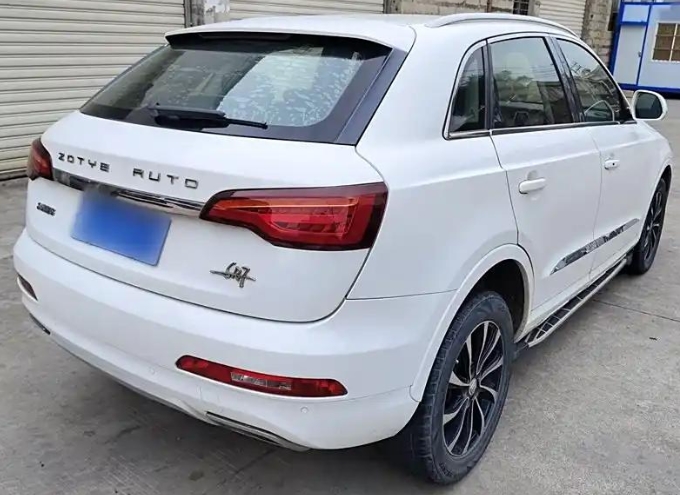
The Zotye SR7 was a compact crossover SUV produced by Chinese automaker Zotye Auto during the mid-to-late 2010s. Introduced at a time when China’s SUV market was rapidly expanding and consumer interest in coupe-style crossovers was growing, the SR7 was designed as an affordable, stylish, and technology-focused entry point into Zotye’s SR lineup. It became one of the company’s most widely discussed vehicles due to its design inspiration drawn from the Audi Q3, paired with a heavily digitalized interior and extensive customization options.
Produced from 2015 through 2019, the SR7 reflected Zotye’s strategy of rapidly expanding its SUV portfolio while targeting younger urban buyers. Although it was not a high-performance vehicle, it played an important role in establishing Zotye’s presence in the compact SUV segment and demonstrated the company’s early push toward connected vehicle technology and personalization.
Origins and Development
The SR7 was developed during a period when Zotye Auto was aggressively expanding its SUV lineup. The company had already found success with models like the T600, and it aimed to build a more youthful sub-brand identity through the “SR” series, which stood for “Sport Racing.”
The SR7 made its debut in late 2015 and officially entered production shortly afterward for the 2016 model year. It was positioned as a compact crossover coupe, targeting younger buyers who wanted a fashionable vehicle at a relatively low price point.
From the beginning, the SR7 attracted attention due to its resemblance to the Audi Q3 in overall proportions and styling cues. However, Zotye differentiated the SR7 through its interior design and extensive use of digital features, which were heavily marketed as its main selling points.
.
MANY auto lovers not only spend time in their garages to tinker on their autos, but have other projects going on in there as well. Wood working is a popular pastime for the creative type of individual. Not sure what to make next? Or thinking about getting into this kind of hobby? There’s lots of possibilities… Here’s some of them…

.
Production Years
The Zotye SR7 was produced from 2015 through 2019, with its primary model years spanning 2016 through 2019.
Production Timeline
| Year | Development |
|---|---|
| 2015 | Debut and start of production |
| 2016 | First full model year |
| 2017 | Expanded trim lineup and feature updates |
| 2018 | Continued production with minor revisions |
| 2019 | Final production year |
After 2019, the SR7 was discontinued as Zotye’s financial situation deteriorated and the company reduced output across its SR-series vehicles.
Design and Dimensions
The SR7 was a compact crossover SUV built on a front-wheel-drive platform. It emphasized coupe-inspired styling, with a sloping roofline and relatively short rear overhangs, giving it a sportier appearance than traditional compact SUVs.
Key dimensions included:
- Length: 171.7 inches (4,360 mm)
- Width: 70.9 inches (1,803 mm)
- Height: 64.0 inches (1,625 mm)
- Wheelbase: 102.4 inches (2,600 mm)
These measurements placed the SR7 squarely in the compact SUV segment, competing with both domestic Chinese rivals and international models such as the Honda HR-V and Hyundai ix25.
Despite its compact footprint, the SR7 offered a relatively spacious cabin for its class, with seating for five passengers.
Powertrain and Mechanical Setup
Throughout its production life, the SR7 was offered with a limited range of engines focused on affordability and efficiency.
1.5-Liter Turbocharged Engine
The primary engine was a 1.5-liter turbocharged inline-four producing approximately:
- 150 horsepower
- 155 lb-ft (210 Nm) of torque
Transmission options included:
- Five-speed manual transmission
- Continuously variable transmission (CVT)
All SR7 models were front-wheel drive, with no all-wheel-drive option available.
While performance was modest, the engine was considered adequate for urban driving and daily commuting.
Trim Levels and Equipment Structure
The Zotye SR7 was offered in multiple trim levels, although naming conventions varied slightly by year and market. In general, the lineup can be divided into three main categories.
Base Trim
The entry-level SR7 focused on affordability and included:
- Fabric upholstery
- Manual transmission option
- Basic infotainment system
- Air conditioning
- Steel or basic alloy wheels
- Rear parking sensors
- Standard safety equipment
This version was designed for budget-conscious buyers seeking basic transportation with modern styling.
Mid-Level “Fashion” or “Luxury” Trim
The most commonly purchased SR7 variants fell into the mid-range category. These versions added significant comfort and convenience features:
- CVT automatic transmission
- Larger touchscreen infotainment system
- Leatherette or partial leather seats
- Keyless entry and push-button start
- Rearview camera
- Upgraded interior materials
- Alloy wheels
These trims were heavily marketed toward young urban consumers.
High-End “Premium” Trim
Top-tier SR7 models emphasized technology and interior customization:
- Digital instrument cluster
- Larger central touchscreen display
- Advanced infotainment interface
- Voice control system
- Panoramic sunroof (on select versions)
- Ambient interior lighting
- Enhanced audio system
- More advanced driver assistance features
These versions positioned the SR7 closer to entry-level premium competitors in terms of perceived features.
Interior Technology and Customization
One of the SR7’s most distinctive features was its highly digital and customizable interior.
Zotye marketed the SR7 as a “smart SUV,” emphasizing personalization options that were uncommon in its price segment at the time.
Available features included:
- Large vertically oriented touchscreen display
- Smartphone connectivity
- Navigation system
- Voice recognition controls
- Customizable interior themes
- Digital instrument cluster (higher trims)
- Bluetooth and USB connectivity
- Internet-connected infotainment system
A standout marketing feature was the ability for buyers to customize interior trims, color accents, and design elements through a dedicated online configuration system. This approach was intended to appeal to younger, tech-oriented buyers.
2016 Model Year Launch
The SR7 entered the market in 2016 as one of Zotye’s most modern compact SUVs.
At launch, it was available with:
- 1.5-liter turbocharged engine
- Manual and CVT transmissions
- Multiple trim levels ranging from base to premium
The vehicle was positioned as an affordable alternative to more expensive compact SUVs, with pricing starting at a relatively low level for the segment.
Initial reception focused on its styling, affordability, and feature-rich interior.
2017 Updates and Expansion
In 2017, Zotye expanded the SR7 lineup with additional configuration options and improved interior features.
Key updates included:
- Expanded availability of CVT models
- Improved infotainment software
- Additional interior customization options
- Enhanced connectivity features
The SR7 also saw increased marketing emphasis on its “smart cockpit” concept, which highlighted its digital interface and personalization capabilities.
2018 Model Year
By 2018, the SR7 remained largely unchanged mechanically but continued to receive minor feature updates.
Improvements included:
- Updated infotainment interface
- Expanded smartphone integration
- Refinements to interior materials
- Additional color and trim combinations
However, the model was beginning to face increased competition from newer Chinese compact SUVs with more refined designs and better build quality.
2019 Final Year
The 2019 model year marked the final production phase of the SR7.
By this point, Zotye Auto was experiencing significant financial difficulties, which limited further development of the SR series.
The SR7 continued to be offered in its established trim structure, but no major updates were introduced. Production ended later in 2019 as Zotye shifted focus to other models and attempted to restructure its product lineup.
Market Reception
The SR7 received mixed but generally positive attention at launch.
Strengths included:
- Affordable pricing
- Modern coupe-inspired styling
- Strong list of standard features
- Highly digital interior interface
- Customization options
Criticism centered on:
- Lack of originality in exterior design
- Modest engine performance
- Limited driving dynamics compared to rivals
- Brand perception concerns
Despite these criticisms, the SR7 sold reasonably well in its early years, particularly among younger urban buyers.
Legacy and Impact
The Zotye SR7 played an important role in the company’s strategy during the mid-2010s. It helped establish the SR sub-brand identity and demonstrated Zotye’s early efforts to appeal to younger, tech-focused consumers.
Its legacy includes:
- Popularizing coupe-style SUVs in the budget segment
- Introducing advanced infotainment features at low prices
- Expanding Zotye’s presence in the compact SUV market
- Highlighting early experimentation with vehicle customization
The SR7 also reflected broader trends in China’s automotive industry, where manufacturers increasingly emphasized digital interiors and consumer personalization.
Future Outlook
As of 2026, there are no plans to revive the Zotye SR7 or introduce a direct successor. Zotye Auto has undergone significant restructuring and has reduced its focus on the SR-series branding.
However, the SR7 remains a notable example of China’s rapidly evolving automotive industry during the late 2010s. It represents a period when manufacturers were aggressively innovating in design, digital technology, and affordability to compete in one of the world’s most dynamic automotive markets.
The Zotye SR7 was a compact SUV that combined coupe-inspired styling, digital technology, and aggressive pricing to appeal to younger buyers. Produced from 2015 through 2019, it served as an important model in Zotye’s expansion into the compact crossover segment.
While its design similarities to established European models drew criticism, its affordability and feature-rich interior helped it gain attention and achieve moderate commercial success.
Today, the SR7 stands as a symbol of Zotye’s ambitious but turbulent growth phase—an era defined by rapid expansion, bold design choices, and the early push toward connected vehicle technology in China’s automotive industry.