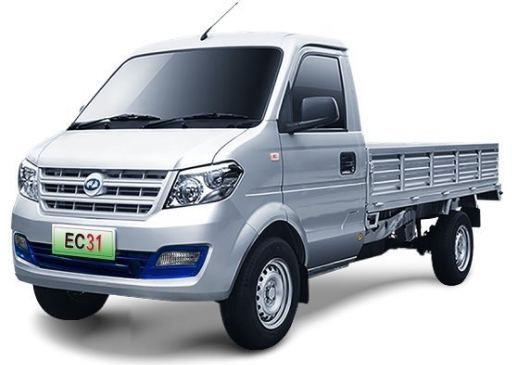
The History of Zhidou
China’s Pioneer of Affordable Urban Electric Cars
Zhidou is one of China’s earliest dedicated electric vehicle (EV) manufacturers and is widely recognized as a pioneer in the development of compact battery-electric city cars. Originally established in 2006 as Geely’s Electric Vehicle Project under the name Xindayang Electric Vehicle, the company evolved into the independent Zhidou brand during the early 2010s. At its peak, Zhidou became one of the world’s highest-selling manufacturers of neighborhood-sized electric vehicles, helping introduce affordable EV ownership to hundreds of thousands of Chinese consumers.
Unlike many modern Chinese EV startups that focused on premium crossovers or luxury sedans, Zhidou specialized almost exclusively in ultra-compact electric cars intended for urban transportation. The company’s vehicles were inexpensive, easy to park, and economical to operate, making them particularly attractive in densely populated Chinese cities.
Although Zhidou enjoyed remarkable success during the middle of the 2010s, it later experienced severe financial difficulties brought about by changing government policies, intense market competition, and declining sales. The company entered bankruptcy restructuring before ultimately returning to production under new ownership.
Today, Zhidou remains an active automotive manufacturer, although on a much smaller scale than during its peak years.
Years of Business Operation
Years of operation:
- 2006–Present (through various corporate structures)
The company’s history can be divided into several phases:
- 2006–2013: Xindayang Electric Vehicle development
- 2013–2019: Zhidou Electric Vehicle Company
- 2019–2022: Bankruptcy and restructuring
- 2023–Present: Revived operations under new ownership
Founding of the Company
Zhidou traces its origins to Xindayang Group, a Chinese company established by entrepreneur Bao Wencang.
Bao Wencang
Bao Wencang founded Xindayang after building experience in China’s machinery and manufacturing industries. His business interests initially focused on industrial equipment before expanding into electric transportation during the mid-2000s.
At a time when most Chinese automakers were concentrating on gasoline-powered vehicles, Bao believed small battery-electric vehicles could become practical transportation for city residents. His vision centered on creating inexpensive electric cars rather than luxury automobiles.
This philosophy ultimately became the defining characteristic of Zhidou.
Early Development (2006–2012)
The company began developing compact electric vehicles in 2006 through Xindayang Electric Vehicle Technology.
During this period, China’s EV industry was still in its infancy.
Battery technology remained expensive.
Charging infrastructure barely existed.
Government support was limited.
Despite these obstacles, Xindayang engineers developed lightweight electric city cars designed for short-distance travel.
Rather than competing directly with full-sized automobiles, the company targeted commuters traveling relatively short distances each day.
This practical approach significantly reduced battery requirements, helping keep vehicle prices affordable.
Partnership with Geely
One of the most important milestones occurred when Zhejiang Geely Holding Group became involved.
Geely, founded in 1986 by Li Shufu, recognized the potential of small electric vehicles.
Li Shufu, originally a refrigerator parts entrepreneur who later built Geely into one of China’s largest automobile manufacturers, supported the partnership because it aligned with Geely’s growing electrification strategy.
In 2013, Geely acquired a significant ownership interest in Zhidou, forming a joint venture alongside Xindayang Group and other investors.
The partnership gave Zhidou:
- improved engineering resources,
- greater manufacturing capacity,
- stronger financial backing,
- nationwide dealership access,
- enhanced regulatory approval.
Importantly, Zhidou was not completely bought out by Geely. Instead, Geely became a major shareholder through a joint venture arrangement while Xindayang continued participating in ownership.
Birth of the Zhidou Brand
Following the Geely partnership, the company officially adopted the Zhidou brand.
The name was intended to emphasize intelligent urban mobility.
Unlike conventional automakers producing a wide variety of vehicles, Zhidou focused almost exclusively on:
- two-door electric hatchbacks,
- city commuting,
- affordable pricing,
- compact car dimensions,
- environmental sustainability.
Factory Operations
Zhidou’s manufacturing operations were centered primarily in Lanzhou and Ninghai, China.
Production involved:
- robotic body welding,
- steel stamping,
- paint finishing,
- battery pack installation,
- electric motor assembly,
- interior installation,
- electronic testing,
- final quality inspection.
Because its vehicles were considerably smaller than traditional passenger cars, production costs were relatively low.
The company’s lightweight construction also reduced battery size requirements, improving manufacturing efficiency.
What Made Zhidou Different
Several characteristics distinguished Zhidou from most automobile manufacturers.
Extremely Compact Vehicles
Many Zhidou cars measured barely 9 feet long.
This made parking considerably easier in crowded urban areas.
Affordable Pricing
Instead of pursuing luxury buyers, Zhidou emphasized affordability.
Government incentives frequently reduced purchase prices substantially.
Urban Focus
Rather than advertising highway performance, Zhidou promoted:
- city commuting,
- short-distance travel,
- ease of parking,
- low operating costs.
Lightweight Engineering
Smaller batteries lowered costs while still providing sufficient range for urban driving.
Vehicle Models
Among the best-known Zhidou vehicles were:
- ZD D1
- ZD D2
- ZD D2S
- ZD D3
- Rainbow (introduced after the company’s revival)
These vehicles generally featured:
- two seats,
- battery-electric propulsion,
- compact hatchback bodies,
- front-wheel drive,
- modest driving ranges appropriate for urban use.
The Most Successful Vehicle
The Zhidou D2 became the company’s greatest commercial success.
Introduced during the middle of the 2010s, the D2 offered:
- attractive purchase pricing,
- practical electric range,
- simple operation,
- extremely compact size,
- low maintenance costs.
It became especially popular among:
- urban commuters,
- first-time EV buyers,
- car-sharing operators,
- municipal fleets.
The D2 effectively established Zhidou as one of China’s leading small EV manufacturers.
Sales Success
Between 2015 and 2017, Zhidou experienced extraordinary growth.
Annual sales reached approximately:
These figures placed Zhidou among the world’s leading electric vehicle manufacturers during its peak years.
The company sold well over 170,000 vehicles globally during its most successful period, almost entirely within China.
U.S. Sales
Official U.S. sales: None.
Zhidou vehicles have never been officially imported into the United States.
Accordingly:
- U.S. sales totaled zero.
- There are no official American dealer networks.
- No EPA-certified retail models have been offered.
U.S. Consumer Reception
Because Zhidou has never officially entered the American market, there is no meaningful U.S. consumer reception.
American automotive publications have generally viewed the company as an interesting example of China’s urban mobility strategy rather than a direct competitor to domestic or European manufacturers.
Marketing Strategy
Zhidou emphasized practical transportation rather than excitement.
Advertising commonly highlighted:
- inexpensive ownership,
- easy charging,
- city convenience,
- environmental friendliness,
- compact parking.
The company also partnered extensively with:
- municipal governments,
- ride-sharing operators,
- car-sharing companies,
- electric mobility programs.
These partnerships significantly expanded public awareness.
Major Milestones
2006
Xindayang begins electric vehicle development.
2013
Geely becomes a major shareholder.
2014
Zhidou brand formally established.
2015
Rapid nationwide sales expansion.
2016
Sales exceed 100,000 vehicles annually.
2017
One of China’s best-selling EV manufacturers.
2019
Financial crisis begins.
2022
Bankruptcy restructuring approved.
2023
Company resumes production.
2024
Introduction of the new Rainbow electric hatchback.
Hardships and Challenges
Dependence on Government Subsidies
One of Zhidou’s greatest strengths ultimately became one of its greatest weaknesses.
Chinese government purchase incentives played a major role in making the company’s vehicles affordable.
When subsidy programs were reduced beginning around 2018, demand declined sharply.
Increased Competition
By the late 2010s, competition had intensified dramatically.
Manufacturers such as:
- BYD,
- SAIC-GM-Wuling,
- Chery,
- Great Wall,
- Geely,
- numerous startups
introduced increasingly sophisticated electric vehicles.
Consumers began demanding:
- longer driving ranges,
- larger interiors,
- faster charging,
- more advanced technology.
Zhidou struggled to keep pace.
Financial Crisis (2019)
Declining sales created severe financial problems.
Production slowed dramatically.
Suppliers reportedly experienced delayed payments.
Manufacturing operations became increasingly disrupted.
Bankruptcy and Restructuring
In 2020, Zhidou entered bankruptcy proceedings.
Rather than liquidating the company, Chinese courts approved a restructuring process.
A new investor group led by Jilin City Industrial Development Investment Holding Group ultimately acquired control of Zhidou’s operating assets through the court-supervised restructuring. This effectively transferred ownership away from the previous shareholder group, allowing the company to emerge from bankruptcy and restart operations.
The restructuring preserved:
- manufacturing facilities,
- engineering resources,
- intellectual property,
- the Zhidou brand.
Production gradually resumed afterward.
Mergers and Buyouts
Zhidou has not merged with another automobile manufacturer.
However, its ownership history includes significant changes:
- 2013: Geely became a major shareholder through a joint venture with Xindayang Group.
- 2022–2023: During bankruptcy restructuring, Jilin City Industrial Development Investment Holding Group, a Chinese state-owned investment company established in 2009, acquired control of Zhidou’s operating assets. This acquisition occurred through a court-approved restructuring process rather than a conventional corporate buyout, and it enabled the company to continue operating under new ownership.
Racing Programs
Zhidou has never maintained a factory-backed racing program.
The company has not participated in:
- Formula E,
- touring cars,
- rally,
- GT racing,
- endurance racing,
- off-road competition.
Its engineering priorities have always centered on economical urban transportation.
Notable Accomplishments
Zhidou achieved numerous accomplishments during its history.
Among them were:
- becoming one of China’s earliest dedicated EV manufacturers,
- helping popularize affordable electric cars,
- exceeding 100,000 annual sales,
- becoming one of the world’s highest-selling micro-EV manufacturers during its peak,
- pioneering urban electric mobility,
- surviving bankruptcy through successful restructuring,
- returning to production after several years of inactivity.
Current Status
Current status as of 2026: Operating
Following its restructuring, Zhidou resumed vehicle production and introduced the Rainbow, signaling its return to the marketplace.
Although the company is considerably smaller than during its peak, it continues developing compact electric vehicles aimed at value-conscious consumers.
Future Outlook
Zhidou faces a far more competitive environment than it did during its rapid growth years. China’s EV market now includes dozens of manufacturers offering advanced technology, longer driving ranges, and aggressive pricing.
Nevertheless, the company retains several strengths:
- a recognized brand name in China’s micro-EV segment,
- years of experience producing compact electric cars,
- lower manufacturing costs associated with smaller vehicles,
- and support from its new ownership structure.
Whether Zhidou can regain a significant share of the market will depend on its ability to continue modernizing its products while remaining true to the affordability and urban practicality that originally made the brand successful.
Although it no longer enjoys the dominant position it once held in China’s small EV market, Zhidou’s historical importance remains significant. It was among the first manufacturers to demonstrate that inexpensive, purpose-built electric city cars could achieve mass-market success, and its early efforts helped pave the way for the broader acceptance of electric vehicles in China, now the world’s largest EV market.