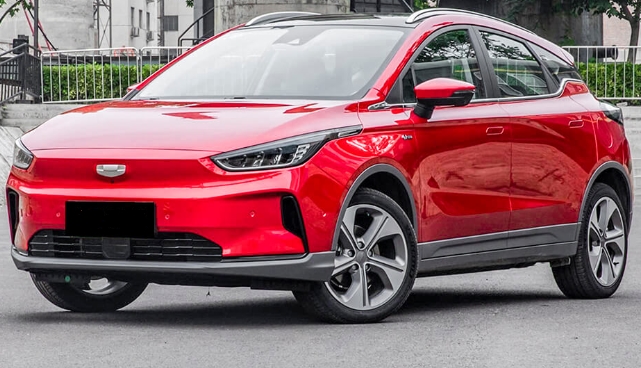
The Evolution of the Esemka Rajawali: Indonesia’s Ambitious Homegrown SUV
The Esemka Rajawali occupies a unique place in Indonesia’s automotive history. Although it never reached large-scale commercial production, the Rajawali became one of the most recognizable Indonesian-developed vehicles of the early 2010s. The SUV gained national attention when it was used by Joko Widodo (later President of Indonesia) during his tenure as Mayor of Solo, helping transform the Rajawali into a symbol of Indonesian automotive ambition.
Unlike many successful mass-produced vehicles, the Rajawali’s story is less about sales figures and more about national pride, vocational education, and the development of a domestic automotive industry. The vehicle served as an important stepping stone in the evolution of the Esemka brand, which later transitioned into a commercial manufacturer of pickup trucks and other vehicles.
Origins of the Esemka Project
The Esemka brand traces its roots to vocational high schools (SMK, or Sekolah Menengah Kejuruan) in Indonesia. Beginning in the late 2000s, students and educators collaborated with industry partners to develop locally assembled vehicles. The goal was to demonstrate that Indonesia possessed the technical expertise needed to create its own automobile brand.
Development efforts intensified between 2009 and 2011. During this period, several prototype vehicles were created, including pickup trucks, vans, and sport utility vehicles. Among these projects, the Rajawali emerged as the flagship SUV.
.
MANY auto lovers not only spend time in their garages to tinker on their autos, but have other projects going on in there as well. Wood working is a popular pastime for the creative type of individual. Not sure what to make next? Or thinking about getting into this kind of hobby? There’s lots of possibilities… Here’s some of them…

.
The First Rajawali (2011)
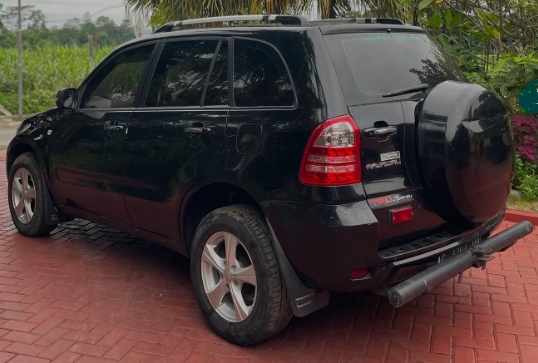
The original Esemka Rajawali debuted in 2011 as a full-size seven-passenger SUV. The vehicle was based on the Chinese-built Foday Explorer III platform, although it was assembled and adapted by Indonesian vocational schools and engineering teams.
The Rajawali was powered by a 1.5-liter four-cylinder gasoline engine with multi-point fuel injection. According to published specifications, the engine produced approximately 103 horsepower and 107 lb-ft (145 Nm) of torque. The SUV featured a three-row seating configuration capable of carrying seven occupants.
Equipment included:
- Power windows
- Central locking
- Dual-zone air conditioning
- Parking sensors
- CD audio system
- Basic SUV styling and utility features
For a prototype vehicle developed through vocational-school collaboration, these features were considered relatively advanced.
The Rajawali’s Rise to Fame
The Rajawali became nationally known when Joko Widodo, then Mayor of Solo, adopted the vehicle as his official transportation. Media coverage of the SUV generated widespread public interest and transformed Esemka into a household name throughout Indonesia.
Many Indonesians viewed the Rajawali as a potential “national car,” capable of competing with imported vehicles from Japan, South Korea, and China. The project attracted significant attention from government officials, educators, and automotive enthusiasts.
However, despite the publicity, the Rajawali remained largely a developmental vehicle and never entered sustained mass production. Later statements from Esemka executives clarified that the original Rajawali was primarily a vocational-school project rather than a product of the commercial manufacturing company that would later become PT Solo Manufaktur Kreasi.
Rajawali R2 (2012–2014)
In 2012, Esemka introduced the Rajawali R2, a smaller crossover-oriented variant intended to broaden the lineup. Unlike the original Rajawali SUV, the R2 was based on Chinese crossover architectures including the Chery Tiggo and Jonway A380.
Production and Development Years
- 2012: Initial Rajawali R2 introduction
- 2014: Updated prototype and continued development
The Rajawali R2 represented an effort to enter the growing compact crossover segment. While it generated interest, it also remained a prototype program and never achieved large-scale commercial production.
Models and Trim Levels
Because the Rajawali never reached full-scale commercial production, Esemka did not establish a conventional trim-level structure similar to those used by major automakers.
The Rajawali family consisted primarily of the following models:
| Model | Years | Vehicle Type | Status |
|---|---|---|---|
| Rajawali | 2011–2013 | Full-size SUV | Prototype/Limited Production |
| Rajawali R2 | 2012–2014 | Compact Crossover SUV | Prototype |
| Rajawali Display Model | 2019 | SUV Concept Display | Exhibition Vehicle |
Available historical records do not indicate officially marketed trims such as Base, LX, EX, Premium, or Limited editions. Instead, development focused on individual prototype configurations.
Limited Production and Deliveries
By 2013, Esemka reported that Rajawali vehicles and related projects were being delivered in limited numbers for educational, operational, and demonstration purposes. Sources indicate that approximately 40 Esemka SUVs and pickups were handed over as part of early production efforts.
These deliveries demonstrated that the Rajawali had progressed beyond the concept stage, but production volumes remained extremely small compared with established automotive manufacturers.
The Shift Toward Commercial Production
As Esemka evolved from a vocational-school initiative into a formal automotive manufacturer, the company shifted its focus away from passenger SUVs and toward commercial vehicles. Construction of Esemka’s assembly facility in Boyolali, Central Java, began in 2016, laying the foundation for future mass production.
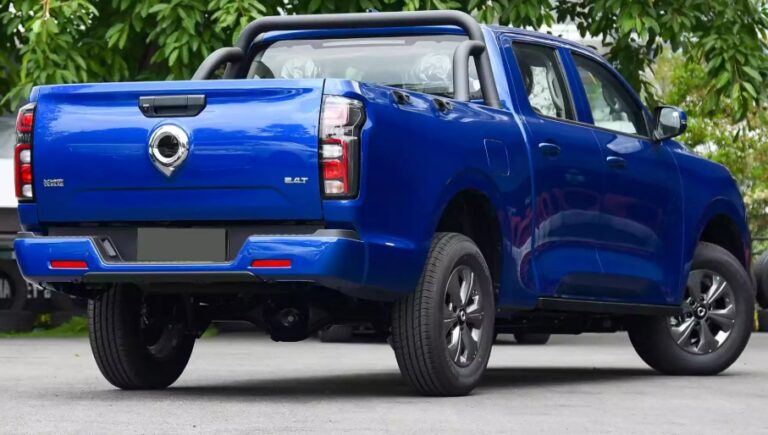
When the factory was officially inaugurated in 2019, Esemka launched the Bima pickup truck rather than a Rajawali successor. The company concentrated on serving Indonesia’s commercial and agricultural sectors, where demand for affordable utility vehicles was stronger.
Rajawali After 2019
Although the Rajawali never became a mainstream production vehicle, the name continued to appear at exhibitions and company displays. During Esemka’s 2019 factory inauguration, a Rajawali SUV was displayed alongside other SUV concepts such as the Garuda 1.
However, Esemka publicly stated that passenger vehicles were not its immediate priority. Instead, the company focused on expanding commercial-vehicle production.
Historical Significance
The Rajawali’s importance extends beyond its technical specifications. It demonstrated that Indonesian students, engineers, suppliers, and manufacturers could collaborate on a nationally recognized vehicle project.
The SUV also helped establish the Esemka name, paving the way for the company’s later commercial ventures. While the Rajawali itself did not become a sales success, it played a crucial role in shaping public perceptions of Indonesia’s automotive capabilities.
Future Outlook
As of 2026, Esemka’s primary production vehicles remain commercial models such as the Bima pickup series, while the company has also explored electric vehicle technology through the Bima EV. No official production plans for a new Rajawali have been announced.
Nevertheless, the Rajawali name retains symbolic value within Indonesia’s automotive industry. Should Esemka eventually expand its passenger-vehicle lineup, reviving the Rajawali badge would be a logical way to connect future products with the company’s origins.
More than a decade after its debut, the Esemka Rajawali remains remembered not as a commercial blockbuster, but as an ambitious project that inspired discussions about Indonesia’s ability to build and manufacture its own automobiles. Its legacy endures as one of the most significant vehicles in the history of Indonesia’s domestic automotive movement.