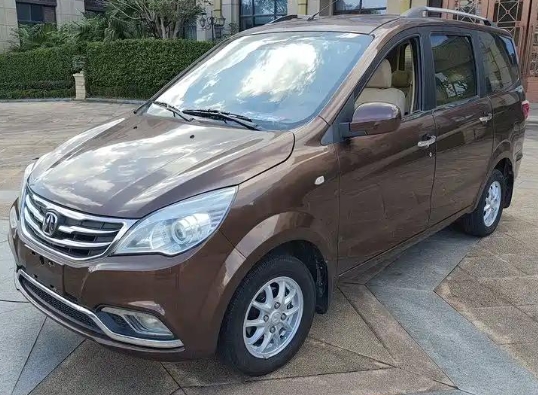
Landwind X2 and X5: The Evolution of Landwind’s Modern Crossover SUVs
The Landwind X2 and Landwind X5 represent two important chapters in the evolution of the Landwind brand. While earlier Landwind vehicles such as the X6, X8, and X9 were rugged body-on-frame sport utility vehicles, the X2 and X5 reflected the company’s shift toward modern crossover SUVs designed for urban drivers and family use. Introduced during a period of rapid growth in China’s crossover market, both models helped modernize the Landwind lineup and demonstrated the company’s efforts to compete with domestic and international rivals.
Although neither model achieved major global success, the X2 and X5 remain significant because they marked Landwind’s transition from traditional off-road vehicles to more refined and technology-focused crossovers. The vehicles also represent some of the final major products launched before the eventual decline of the Landwind brand.
The Evolution of Landwind
Landwind was established by Jiangling Motor Holding, a joint venture involving Jiangling Motors Corporation (JMC) and Changan Automobile. During the early 2000s, the company became known for producing affordable SUVs based on proven utility vehicle platforms.
By the early 2010s, consumer demand was increasingly shifting toward crossover SUVs that offered better ride comfort, improved fuel economy, and more modern styling. To remain competitive, Landwind began developing a new generation of crossovers. The first major result of this strategy was the Landwind X5, followed several years later by the smaller X2.
.
MANY auto lovers not only spend time in their garages to tinker on their autos, but have other projects going on in there as well. Wood working is a popular pastime for the creative type of individual. Not sure what to make next? Or thinking about getting into this kind of hobby? There’s lots of possibilities… Here’s some of them…

.
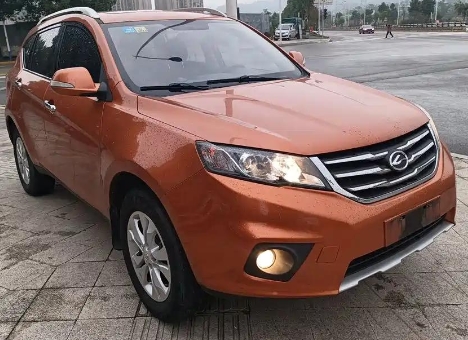
Landwind X5 (2012–2020)
The Landwind X5 was introduced at the Guangzhou Auto Show in late 2012 and entered production shortly afterward. It became one of the most important vehicles in Landwind’s history because it was the brand’s first true modern crossover SUV. Production continued until 2020, making it one of the company’s longest-running crossover models.
Production Years
| Model | Years Produced |
|---|---|
| Landwind X5 | 2012–2020 |
| Model Years | 2013–2020 |
| Landwind X5 Plus | 2018–2020 |
The X5 Plus designation was used for the facelifted version introduced during the latter part of the model’s production run.
Original X5 (2013–2017)
The original X5 featured a modern monocoque crossover platform rather than the body-on-frame construction used by earlier Landwind SUVs.
Key specifications included:
- Five-door compact crossover body
- Front-wheel drive or optional all-wheel drive
- Independent suspension
- Seating for five passengers
- Modern safety and comfort features
At launch, the X5 was powered by a turbocharged 2.0-liter gasoline engine producing approximately 190 horsepower and 184 lb-ft of torque. One of the model’s most notable features was its eight-speed automatic transmission, which was unusual among Chinese crossovers at the time.
X5 Trim Levels (2013–2017)
Available trims varied slightly by model year, but the lineup generally consisted of:
- Standard
- Comfort
- Luxury
- Premium
- All-Wheel-Drive Premium
Higher trim levels added:
- Leather seating
- Touchscreen infotainment
- Navigation
- Rearview camera
- Keyless entry
- Automatic climate control
- Alloy wheels
- Electronic stability systems
These features helped the X5 compete with increasingly sophisticated domestic rivals.
Landwind X5 Plus (2018–2020)
A major facelift arrived later in the model’s life cycle. Known as the X5 Plus, the updated version featured substantial exterior and interior revisions.
Changes included:
- Redesigned front grille
- New headlights
- Updated taillights
- Revised bumpers
- Improved infotainment systems
- Enhanced interior materials
The X5 Plus maintained the basic platform and drivetrain layout of the original model while offering a more contemporary appearance.
X5 Plus Trim Levels
The facelifted lineup generally included:
- Standard Plus
- Comfort Plus
- Luxury Plus
- Premium Plus
- Elite Plus
Equipment packages varied by production year, but top trims offered:
- Large touchscreen displays
- Panoramic sunroof
- Leather upholstery
- Enhanced driver-assistance features
- Premium audio systems
The X5 Plus remained in production until 2020, when Landwind’s vehicle portfolio began shrinking significantly.
Landwind X2 (2017–2021/2022)
The Landwind X2 debuted at the 2017 Shanghai Auto Show and entered the Chinese market shortly afterward. Positioned below the X5, it served as Landwind’s entry-level crossover SUV. Production began in 2017 and continued until approximately 2021, with some sources listing availability through 2022.
Unlike the X5, the X2 shared much of its engineering with the Changan CS35, reflecting the partnership between Changan Automobile and Landwind. The vehicle was designed to appeal to younger buyers seeking an affordable urban crossover.
Design and Engineering
The X2 featured:
- Five-door body style
- Front-wheel-drive layout
- Compact dimensions
- Seating for five passengers
- Modern crossover styling
The vehicle measured approximately:
- Length: 163.8 inches
- Width: 71.3 inches
- Height: 65.7 inches
- Wheelbase: 100.8 inches
These dimensions positioned it squarely within China’s highly competitive subcompact crossover segment.
Powertrain Evolution
Initial Engine Lineup
At launch, buyers could choose from:
- 1.6-liter naturally aspirated inline-four
- 125 horsepower
- Five-speed manual transmission
- Four-speed automatic transmission
This powertrain focused on affordability and fuel economy.
Turbocharged Engine
A more powerful option was later introduced:
- 1.5-liter turbocharged inline-four
- Greater performance output
- Improved acceleration
- Eight-speed automatic transmission
The turbocharged version became the preferred choice among buyers seeking stronger performance and more refined driving characteristics.
X2 Trim Levels
Throughout its production run, the X2 was available in several trim levels.
Early Models (2017–2018)
Common trims included:
- Standard
- Comfort
- Luxury
Features on higher trims included:
- Touchscreen infotainment
- Bluetooth connectivity
- Rear parking sensors
- Alloy wheels
Later Models (2019–2021)
The lineup expanded to include:
- Standard
- Comfort
- Luxury
- Premium
- Elite
Upper trims added:
- Leather seating
- Larger infotainment displays
- Reverse camera systems
- Push-button start
- Keyless entry
- Automatic climate control
The broad trim range allowed Landwind to compete across multiple price points within the subcompact crossover segment.
Electric Derivatives
One of the most interesting aspects of the X2 platform was its adaptation for electric vehicles.
The platform served as the basis for:
- JMEV E400
- EVeasy EX5
These electric derivatives featured battery-electric powertrains and helped demonstrate the versatility of the X2’s architecture. They also reflected the growing importance of electrification within China’s automotive industry.
Market Performance and Legacy
The X5 became one of Landwind’s most successful crossover vehicles and established the company as a participant in China’s rapidly expanding compact SUV market. The X2 followed as a more affordable alternative and broadened the brand’s customer base.
Despite these achievements, Landwind struggled to maintain competitiveness against larger Chinese manufacturers and international brands. By 2020, the company’s sales had declined substantially, and vehicle production gradually came to an end. The discontinuation of both the X2 and X5 effectively marked the conclusion of Landwind’s crossover SUV era.
Future Outlook
Neither the X2 nor the X5 has a direct successor today. Following the decline of the Landwind brand, development of new Landwind-branded vehicles largely ceased. However, the engineering lessons learned from these crossovers influenced later projects within the broader JMC and Changan ecosystems.
The X5 remains notable as Landwind’s first truly modern crossover SUV, while the X2 represented the brand’s effort to compete in the increasingly important subcompact crossover market. Together, they illustrate the evolution of Chinese SUV development during the 2010s—from rugged utility vehicles toward refined, technology-focused family crossovers.
Today, both vehicles stand as reminders of Landwind’s attempt to reinvent itself during one of the most competitive periods in China’s automotive history. Their combination of modern styling, multiple trim levels, turbocharged engines, and crossover practicality helped define the final era of the Landwind brand.