The Evolution of the Changhe Beidouxing
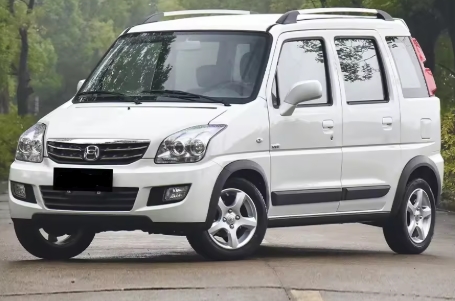
The Changhe Beidouxing, also known as the “Big Dipper” in English translation, was one of China’s most recognizable compact multi-purpose vehicles (MPVs). Produced by Changhe Automobile from 2004 until 2022, the Beidouxing became popular because of its boxy practicality, low operating costs, compact dimensions, and connection to Suzuki engineering. Over nearly two decades, the Beidouxing evolved from a licensed version of the Suzuki Wagon R+ into a distinctly Chinese family and commercial vehicle with gasoline and electric variants.
The Beidouxing occupied an important place in China’s automotive market during the rapid expansion of affordable urban transportation in the 2000s and 2010s. Although simple by international standards, it developed a loyal customer base among small business owners, taxi operators, and budget-conscious families.
Origins and Development
Changhe Automobile had a long-standing partnership with Suzuki dating back to the 1980s. Through this relationship, Changhe assembled and adapted several Suzuki-based vehicles for the Chinese market. The Beidouxing emerged from this collaboration and was heavily based on the first-generation Suzuki Wagon R+.
Production of the Beidouxing began in 2004. At launch, the vehicle featured the tall-roof “kei car” design philosophy popular in Japan, maximizing interior room while maintaining compact exterior dimensions. The original Beidouxing used Suzuki-derived engineering, including the 1.4-liter K14B gasoline engine producing approximately 97 horsepower.
Its upright body design made it practical for crowded Chinese cities. Sliding through narrow streets and fitting into tight parking spaces were major advantages. At the same time, the tall roof and folding seats allowed the Beidouxing to carry cargo far beyond what its small footprint suggested.
.
NO MORE dead batteries with this:

.
First Generation (2004–2022)
The first-generation Beidouxing remained in production for an unusually long period, lasting from 2004 until 2022. During those years, the vehicle received several facelifts and updates, but its overall structure and concept remained largely unchanged.
Early Models and Trims
The earliest Beidouxing models were extremely basic, targeting buyers who needed affordable transportation rather than luxury features. Early trim levels commonly included:
- Base
- Economy
- Standard
- Comfort
- Deluxe
Some early versions also carried engine-based designations, including:
- 1.0L MT Economy
- 1.0L MT Standard
- 1.4L MT Standard
These trims generally differed in wheel covers, interior materials, air conditioning availability, audio systems, and power accessories. Manual transmissions were standard throughout most of the vehicle’s production life.
The Beidouxing’s affordability helped it gain popularity in second- and third-tier Chinese cities where practical utility mattered more than styling or performance.
Facelifts and Improvements
Over time, Changhe modernized the Beidouxing with revised headlights, updated grilles, improved bumpers, and refreshed interiors. Some later trims added:
- Touchscreen infotainment systems
- Fog lights
- Alloy wheels
- Improved upholstery
- Power windows
- Updated instrument clusters
Despite these changes, the core mechanical formula stayed consistent. Reliability and low maintenance costs remained central selling points.
The Beidouxing X5
One of the most significant developments in the model’s history was the introduction of the Changhe Beidouxing X5.
The Beidouxing X5 arrived during the early 2010s as a larger and more refined version of the standard model. It featured:
- A longer wheelbase
- Revised front styling
- Larger rear cargo space
- Redesigned tail lamps mounted higher on the body
The X5 was intended to appeal to buyers wanting more passenger room and cargo flexibility while retaining the compact MPV formula. Pricing reportedly ranged from approximately 41,900 to 51,900 yuan depending on trim and equipment.
Beidouxing X5 Trim Levels
The X5 lineup included several trims over the years, generally marketed around comfort and equipment upgrades. Common versions included:
- Basic
- Standard
- Luxury
- Elite
- Navigation Edition
Features available on higher-end trims included:
- Multimedia systems
- Reverse cameras
- Improved seat materials
- Enhanced sound insulation
- Roof rails
- Larger wheels
The X5 represented Changhe’s attempt to modernize the Beidouxing formula without abandoning the affordability that defined the original model.
Electric Variants
As China’s electric vehicle market expanded during the 2010s, Changhe adapted the Beidouxing platform for battery-powered transportation.
Beidouxing E
The Changhe Beidouxing E debuted around 2016 as an electric adaptation of the original Beidouxing platform. It retained much of the gasoline model’s appearance but replaced the internal combustion engine with an electric drivetrain.
Beidouxing X5E
The larger Changhe Beidouxing X5E followed shortly afterward. The X5E used a 41-horsepower electric motor and targeted urban delivery fleets and environmentally conscious buyers.
The electric variants demonstrated Changhe’s efforts to stay relevant in China’s rapidly evolving automotive market. Although these vehicles never became major global exports, they reflected the broader transition toward electric mobility occurring across the Chinese auto industry.
Second Generation Beidouxing (2019–2022)
The second-generation Changhe Beidouxing II was first previewed in 2017 before entering production in 2019.
This version retained the practical tall-body design but featured:
- A wider body
- Updated styling
- More modern interior design
- Improved safety features
- Refreshed dashboard layout
The second-generation model continued using the Suzuki-derived 1.4-liter engine, but output increased to approximately 101 horsepower.
Second-Generation Trim Levels
The Beidouxing II was offered in multiple trim configurations, typically including:
- Base
- Comfort
- Deluxe
- Luxury
- Premium Navigation Edition
Higher trims offered larger infotainment displays and upgraded interior materials. However, the model still focused primarily on affordability and practicality rather than premium features.
Export Markets and International Presence
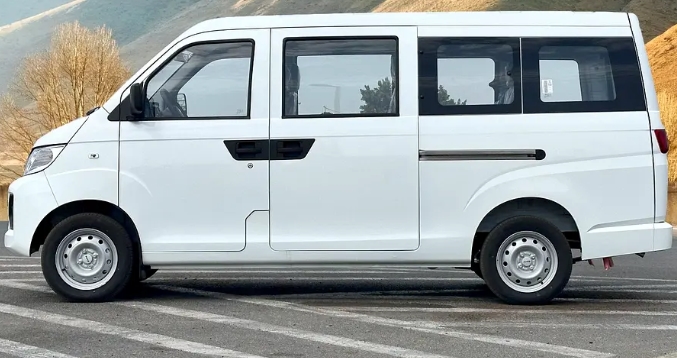
Although primarily sold in China, the Beidouxing and related Changhe vehicles reached several international markets. Variants appeared in:
- Guatemala
- Brazil
- Uruguay
- Peru
- Some European commercial EV markets
In certain countries, rebadged versions were sold under different names, including:
- Changhe CoolCar
- Qingyuan Baoqi
- Cenntro Logistar 100
These export models often emphasized low operating costs and cargo practicality.
Why the Beidouxing Was Important
The Beidouxing became significant because it represented a key stage in the development of China’s domestic automotive industry. During the 2000s, many Chinese manufacturers relied on partnerships with foreign automakers to gain engineering knowledge and manufacturing experience. The Beidouxing was a successful example of this approach.
The vehicle also demonstrated how compact MPVs could satisfy multiple needs:
- Family transportation
- Taxi service
- Cargo hauling
- Small business use
- Urban commuting
Its flexibility made it especially valuable in rapidly urbanizing areas where consumers needed affordable and adaptable transportation.
End of Production and Future Outlook
Production of the Beidouxing ended in 2022 as Changhe itself faced major restructuring and eventual discontinuation under BAIC ownership.
Several factors contributed to the end of the model:
- Increased competition from modern compact SUVs
- Rising consumer expectations
- Stricter safety regulations
- Rapid electrification of the Chinese market
- Declining relevance of older Suzuki-derived platforms
Even so, the Beidouxing left a lasting legacy. In many parts of China, the vehicle remains common on secondary roads and in rural communities. Its reputation for practicality and low operating costs continues to make it a favorite among budget-minded owners.
There is also ongoing interest in electric commercial versions derived from the Beidouxing platform, particularly for urban delivery applications. Some derivatives continue production in limited forms through specialized electric vehicle companies.
Legacy
The Changhe Beidouxing may never have achieved global fame like Japanese or European compact MPVs, but it played a major role in China’s automotive growth. It successfully combined Japanese-inspired engineering with Chinese affordability and practicality.
From its humble beginnings in 2004 to its final years in 2022, the Beidouxing evolved through multiple facelifts, long-wheelbase variants, electric versions, and a second-generation redesign. Its simple design philosophy proved remarkably durable across nearly two decades of production.
Today, the Beidouxing stands as a reminder of an important transitional era in the Chinese automotive industry — a time when practical, affordable transportation helped millions of people gain mobility during one of the fastest periods of economic growth in modern history.