The History of Jinpeng Group (Jinpeng, Lingbox)
From Electric Three-Wheelers to Lingbox Electric Cars
Jinpeng Group is one of China’s largest manufacturers of electric three-wheelers, low-speed electric vehicles, electric motorcycles, and neighborhood transportation products. During the 2010s and 2020s, the company expanded beyond utility vehicles into passenger automobiles through its new-energy vehicle subsidiary and the Lingbox brand. While Jinpeng remains relatively unknown in the United States, it has become a significant manufacturer in China’s domestic electric mobility market and has increasingly pursued exports to Latin America, Southeast Asia, Europe, and other overseas markets.
Unlike many Chinese automakers that began by building conventional gasoline-powered automobiles before transitioning to electric vehicles, Jinpeng developed its expertise in affordable electric transportation for urban and rural customers. That heritage continues to influence its business strategy today.
Company Foundation
Jinpeng Group was founded in 2004 by Lu Shouguang, a Chinese entrepreneur who recognized growing demand for affordable electric transportation in smaller Chinese cities and rural communities. Before establishing Jinpeng, Lu worked in manufacturing and developed extensive experience in industrial production and vehicle assembly. His entrepreneurial focus centered on practical transportation rather than luxury vehicles, emphasizing affordability, durability, and low operating costs.
From the beginning, Lu envisioned building electric vehicles that ordinary working families could afford. His philosophy has frequently been summarized by the company’s goal of producing “electric vehicles people need most,” reflecting Jinpeng’s emphasis on practical mobility rather than premium performance.
Years of Operation
- Jinpeng Group: 2004–present
- Lingbox: 2018–present
As of 2026, both companies remain in operation.
Early Growth
Rather than competing directly with established automobile manufacturers, Jinpeng initially concentrated on electric three-wheel cargo vehicles, passenger tricycles, and electric scooters.
This strategy proved successful because many customers in smaller Chinese cities required inexpensive transportation that cost substantially less than a traditional automobile.
During the late 2000s and early 2010s, Jinpeng expanded manufacturing capacity across China while developing a nationwide dealer network. The company also invested heavily in electric drivetrains, batteries, and vehicle assembly.
By concentrating on lower-speed vehicles instead of full-sized automobiles, Jinpeng avoided direct competition with larger manufacturers while establishing significant manufacturing expertise.
Expansion into Passenger Cars
Recognizing the rapid growth of China’s battery-electric passenger vehicle market, Jinpeng established Jiangsu Jimai New Energy Vehicle Industry Co., Ltd. in 2018.
The company was financed by Jinpeng founder Lu Shouguang with the objective of producing fully certified passenger automobiles.
In 2019, Jimai obtained Chinese production approval for both passenger and commercial new-energy vehicles, making it the only manufacturer in the Huaihai Economic Zone with both qualifications at that time.
Creation of Lingbox
The Lingbox automobile brand debuted in 2018.
Unlike Jinpeng’s earlier products, Lingbox focused on fully enclosed passenger cars aimed at young urban buyers.
The brand positioned itself as an affordable electric city car manufacturer, targeting consumers seeking inexpensive daily transportation.
Its first production vehicle entered mass production in 2020, marking Jinpeng’s transition into mainstream passenger automobiles.
Factory Operations
Jinpeng operates multiple manufacturing facilities throughout China, with major operations centered in Xuzhou.
The company’s factories manufacture:
- Electric passenger cars
- Electric commercial vehicles
- Electric three-wheelers
- Electric motorcycles
- Electric golf and recreational vehicles
- Vehicle components
- Battery systems
Jinpeng emphasizes vertical integration, producing many components internally rather than relying entirely on outside suppliers.
This approach helps control costs while maintaining consistent product quality.
No Major Merger or Buyout
As of 2026, Jinpeng Group has not merged with another automotive company, nor has it been acquired.
Likewise, Lingbox has never been sold or spun off.
Lingbox remains wholly associated with Jiangsu Jimai New Energy Vehicle Industry Co., Ltd., itself backed by Jinpeng Group.
Hardships and Challenges
Entering the Automobile Industry (2018–2020)
One of Jinpeng’s largest challenges involved moving from low-speed utility vehicles into certified passenger automobiles.
Developing vehicles that met China’s national passenger-car regulations required significant investment in engineering, manufacturing, crash testing, and regulatory compliance.
The company addressed this challenge by creating Jiangsu Jimai New Energy Vehicle Industry Co., Ltd. specifically for passenger vehicle production and obtaining the necessary manufacturing approvals.
Increasing Competition (2023–Present)
Beginning in 2023, Lingbox experienced declining sales because China’s electric vehicle market became substantially more competitive.
Major manufacturers—including companies with larger research budgets and broader product lineups—placed significant pressure on smaller EV brands.
Lingbox responded by:
- expanding exports,
- increasing commercial fleet sales,
- pursuing overseas distributors,
- emphasizing value pricing.
Annual Lingbox sales reportedly fell from approximately 31,639 vehicles in 2022 to roughly 11,140 in 2024, with a further decline in 2025.
Milestones
Important company milestones include:
- 2004 — Jinpeng Group founded.
- 2018 — Jiangsu Jimai New Energy established.
- 2018 — Lingbox brand introduced.
- 2019 — Passenger-car manufacturing qualification obtained.
- 2020 — First Lingbox production vehicle launched.
- 2022 — Lingbox reached its highest annual sales.
- 2023 — Jinpeng debuted multiple new-energy brands at the Hong Kong International Automobile Expo as part of its overseas expansion strategy.
What Makes Jinpeng Different?
Several characteristics distinguish Jinpeng from traditional automakers.
First, the company grew from electric utility transportation instead of gasoline automobiles.
Second, Jinpeng focuses on affordability. Many of its vehicles target customers purchasing their first automobile or replacing motorcycles and scooters.
Third, Jinpeng maintains an unusually broad product lineup, including:
- electric tricycles,
- passenger automobiles,
- light commercial vehicles,
- recreational electric vehicles,
- motorcycles,
- logistics vehicles.
This diversity differs from manufacturers that exclusively produce passenger cars.
Marketing Strategy
Jinpeng has generally emphasized value rather than luxury.
Major marketing themes include:
- affordable electric transportation,
- practical daily commuting,
- family ownership,
- low operating costs,
- environmental sustainability.
During the 2023 Hong Kong International Automobile Expo, the company showcased multiple brands simultaneously as part of an international expansion campaign targeting overseas distributors and export markets.
Lingbox has also experimented with promotional campaigns such as “blind-box” pre-sales for new models, aiming to generate interest among younger buyers.
Racing Programs
As of 2026, Jinpeng and Lingbox have not maintained any significant factory-backed racing programs.
Unlike manufacturers such as BYD, Geely, or SAIC Motor, Jinpeng has focused on affordable transportation rather than motorsports.
No major participation in touring cars, rallying, Formula E, endurance racing, or other international racing series has been documented.
Vehicle Models
Jinpeng
Examples include:
- AMY
- T90
- Various electric logistics trucks
- Electric cargo tricycles
- Electric passenger tricycles
Lingbox
Examples include:
The Lingbox lineup consists primarily of compact battery-electric city cars designed for short-distance urban travel.
Most Successful Vehicle
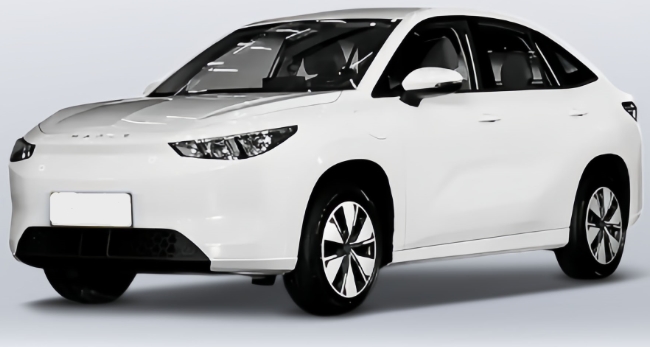
Among Jinpeng’s passenger automobiles, the AMY has been presented by the company as one of its most successful export-oriented models.
Company statements indicate cumulative domestic and overseas sales approaching 70,000 units since launch. Its success stems from:
- affordable pricing,
- compact car size,
- ease of urban driving,
- relatively simple engineering,
- suitability for export markets seeking inexpensive electric transportation.
Within the Lingbox brand specifically, the Lingbox BOX established the company’s reputation by serving as its first production automobile.
Sales Figures
United States
As of 2026:
- No officially reported U.S. retail automobile sales figures exist for Jinpeng or Lingbox.
- Neither brand has established a significant passenger-car sales network in the United States.
- Therefore, there are no verified U.S. passenger vehicle sales totals available.
Global
Verified publicly reported figures include:
- Lingbox annual sales:
- 2022: approximately 31,639 vehicles
- 2024: approximately 11,140 vehicles
- 2025: approximately 7,468 vehicles
Jinpeng has also reported cumulative sales of roughly 70,000 AMY vehicles across domestic and export markets, although comprehensive global passenger-car sales for the entire company have not been publicly disclosed.
U.S. Consumer Reception
Because Jinpeng and Lingbox have only limited presence in the United States, overall American consumer awareness remains low.
Among enthusiasts familiar with imported Chinese electric vehicles, reactions generally focus on:
Positive observations
- Competitive pricing
- Compact dimensions
- Practical urban transportation
- Low operating costs
Common concerns
- Lack of nationwide dealer support
- Limited parts availability
- No established long-term reliability history in the U.S.
- Questions regarding compliance with U.S. federal safety standards for widespread retail sales
Consequently, the brands have not yet developed a measurable mainstream reputation among American consumers.
Current Status and Outlook
As of 2026, Jinpeng Group remains in business and continues expanding its portfolio of electric mobility products.
Its strategy increasingly emphasizes:
- export growth,
- affordable battery-electric vehicles,
- commercial electric transportation,
- emerging international markets.
Lingbox continues producing compact electric automobiles despite slowing domestic sales. The company has responded by pursuing overseas expansion and strategic technology partnerships, including collaboration announced with Lenovo Group to explore connected-vehicle technologies.
Although Jinpeng faces intense competition from much larger Chinese automakers, its specialization in economical electric transportation, broad experience in light electric vehicles, and expanding export business provide a foundation for continued operation. Whether it can establish a stronger presence in the global passenger-car market will depend on its ability to differentiate its products, expand distribution networks, and remain competitive in the rapidly evolving electric vehicle industry.