ault 'all'.
* @type string|string[] $type Include comments of a given type, or array of types.
* Accepts 'comment', 'pings' (includes 'pingback' and
* 'trackback'), or any custom type string. Default empty.
* @type string[] $type__in Include comments from a given array of comment types.
* Default empty.
* @type string[] $type__not_in Exclude comments from a given array of comment types.
* Default empty.
* @type int $user_id Include comments for a specific user ID. Default empty.
* @type bool|string $hierarchical Whether to include comment descendants in the results.
* - 'threaded' returns a tree, with each comment's children
* stored in a `children` property on the `WP_Comment` object.
* - 'flat' returns a flat array of found comments plus
* their children.
* - Boolean `false` leaves out descendants.
* The parameter is ignored (forced to `false`) when
* `$fields` is 'ids' or 'counts'. Accepts 'threaded',
* 'flat', or false. Default: false.
* @type string $cache_domain Unique cache key to be produced when this query is stored in
* an object cache. Default is 'core'.
* @type bool $update_comment_meta_cache Whether to prime the metadata cache for found comments.
* Default true.
* @type bool $update_comment_post_cache Whether to prime the cache for comment posts.
* Default false.
* }
*/
public function __construct( $query = '' ) {
$this->query_var_defaults = array(
'author_email' => '',
'author_url' => '',
'author__in' => '',
'author__not_in' => '',
'include_unapproved' => '',
'fields' => '',
'ID' => '',
'comment__in' => '',
'comment__not_in' => '',
'karma' => '',
'number' => '',
'offset' => '',
'no_found_rows' => true,
'orderby' => '',
'order' => 'DESC',
'paged' => 1,
'parent' => '',
'parent__in' => '',
'parent__not_in' => '',
'post_author__in' => '',
'post_author__not_in' => '',
'post_ID' => '',
'post_id' => 0,
'post__in' => '',
'post__not_in' => '',
'post_author' => '',
'post_name' => '',
'post_parent' => '',
'post_status' => '',
'post_type' => '',
'status' => 'all',
'type' => '',
'type__in' => '',
'type__not_in' => '',
'user_id' => '',
'search' => '',
'count' => false,
'meta_key' => '',
'meta_value' => '',
'meta_query' => '',
'date_query' => null, // See WP_Date_Query.
'hierarchical' => false,
'cache_domain' => 'core',
'update_comment_meta_cache' => true,
'update_comment_post_cache' => false,
);
if ( ! empty( $query ) ) {
$this->query( $query );
}
}
/**
* Parse arguments passed to the comment query with default query parameters.
*
* @since 4.2.0 Extracted from WP_Comment_Query::query().
*
* @param string|array $query WP_Comment_Query arguments. See WP_Comment_Query::__construct() for accepted arguments.
*/
public function parse_query( $query = '' ) {
if ( empty( $query ) ) {
$query = $this->query_vars;
}
$this->query_vars = wp_parse_args( $query, $this->query_var_defaults );
/**
* Fires after the comment query vars have been parsed.
*
* @since 4.2.0
*
* @param WP_Comment_Query $query The WP_Comment_Query instance (passed by reference).
*/
do_action_ref_array( 'parse_comment_query', array( &$this ) );
}
/**
* Sets up the WordPress query for retrieving comments.
*
* @since 3.1.0
* @since 4.1.0 Introduced 'comment__in', 'comment__not_in', 'post_author__in',
* 'post_author__not_in', 'author__in', 'author__not_in', 'post__in',
* 'post__not_in', 'include_unapproved', 'type__in', and 'type__not_in'
* arguments to $query_vars.
* @since 4.2.0 Moved parsing to WP_Comment_Query::parse_query().
*
* @param string|array $query Array or URL query string of parameters.
* @return array|int List of comments, or number of comments when 'count' is passed as a query var.
*/
public function query( $query ) {
$this->query_vars = wp_parse_args( $query );
return $this->get_comments();
}
/**
* Get a list of comments matching the query vars.
*
* @since 4.2.0
*
* @global wpdb $wpdb WordPress database abstraction object.
*
* @return int|int[]|WP_Comment[] List of comments or number of found comments if `$count` argument is true.
*/
public function get_comments() {
global $wpdb;
$this->parse_query();
// Parse meta query.
$this->meta_query = new WP_Meta_Query();
$this->meta_query->parse_query_vars( $this->query_vars );
/**
* Fires before comments are retrieved.
*
* @since 3.1.0
*
* @param WP_Comment_Query $query Current instance of WP_Comment_Query (passed by reference).
*/
do_action_ref_array( 'pre_get_comments', array( &$this ) );
// Reparse query vars, in case they were modified in a 'pre_get_comments' callback.
$this->meta_query->parse_query_vars( $this->query_vars );
if ( ! empty( $this->meta_query->queries ) ) {
$this->meta_query_clauses = $this->meta_query->get_sql( 'comment', $wpdb->comments, 'comment_ID', $this );
}
$comment_data = null;
/**
* Filters the comments data before the query takes place.
*
* Return a non-null value to bypass WordPress' default comment queries.
*
* The expected return type from this filter depends on the value passed
* in the request query vars:
* - When `$this->query_vars['count']` is set, the filter should return
* the comment count as an integer.
* - When `'ids' === $this->query_vars['fields']`, the filter should return
* an array of comment IDs.
* - Otherwise the filter should return an array of WP_Comment objects.
*
* Note that if the filter returns an array of comment data, it will be assigned
* to the `comments` property of the current WP_Comment_Query instance.
*
* Filtering functions that require pagination information are encouraged to set
* the `found_comments` and `max_num_pages` properties of the WP_Comment_Query object,
* passed to the filter by reference. If WP_Comment_Query does not perform a database
* query, it will not have enough information to generate these values itself.
*
* @since 5.3.0
* @since 5.6.0 The returned array of comment data is assigned to the `comments` property
* of the current WP_Comment_Query instance.
*
* @param array|int|null $comment_data Return an array of comment data to short-circuit WP's comment query,
* the comment count as an integer if `$this->query_vars['count']` is set,
* or null to allow WP to run its normal queries.
* @param WP_Comment_Query $query The WP_Comment_Query instance, passed by reference.
*/
$comment_data = apply_filters_ref_array( 'comments_pre_query', array( $comment_data, &$this ) );
if ( null !== $comment_data ) {
if ( is_array( $comment_data ) && ! $this->query_vars['count'] ) {
$this->comments = $comment_data;
}
return $comment_data;
}
/*
* Only use the args defined in the query_var_defaults to compute the key,
* but ignore 'fields', 'update_comment_meta_cache', 'update_comment_post_cache' which does not affect query results.
*/
$_args = wp_array_slice_assoc( $this->query_vars, array_keys( $this->query_var_defaults ) );
unset( $_args['fields'], $_args['update_comment_meta_cache'], $_args['update_comment_post_cache'] );
$key = md5( serialize( $_args ) );
$last_changed = wp_cache_get_last_changed( 'comment' );
$cache_key = "get_comments:$key";
$cache_value = wp_cache_get_salted( $cache_key, 'comment-queries', $last_changed );
if ( false === $cache_value ) {
$comment_ids = $this->get_comment_ids();
if ( $comment_ids ) {
$this->set_found_comments();
}
$cache_value = array(
'comment_ids' => $comment_ids,
'found_comments' => $this->found_comments,
);
wp_cache_set_salted( $cache_key, $cache_value, 'comment-queries', $last_changed );
} else {
$comment_ids = $cache_value['comment_ids'];
$this->found_comments = $cache_value['found_comments'];
}
if ( $this->found_comments && $this->query_vars['number'] ) {
$this->max_num_pages = (int) ceil( $this->found_comments / $this->query_vars['number'] );
}
// If querying for a count only, there's nothing more to do.
if ( $this->query_vars['count'] ) {
// $comment_ids is actually a count in this case.
return (int) $comment_ids;
}
$comment_ids = array_map( 'intval', $comment_ids );
if ( $this->query_vars['update_comment_meta_cache'] ) {
wp_lazyload_comment_meta( $comment_ids );
}
if ( 'ids' === $this->query_vars['fields'] ) {
$this->comments = $comment_ids;
return $this->comments;
}
_prime_comment_caches( $comment_ids, false );
// Fetch full comment objects from the primed cache.
$_comments = array();
foreach ( $comment_ids as $comment_id ) {
$_comment = get_comment( $comment_id );
if ( $_comment ) {
$_comments[] = $_comment;
}
}
// Prime comment post caches.
if ( $this->query_vars['update_comment_post_cache'] ) {
$comment_post_ids = array();
foreach ( $_comments as $_comment ) {
$comment_post_ids[] = $_comment->comment_post_ID;
}
_prime_post_caches( $comment_post_ids, false, false );
}
/**
* Filters the comment query results.
*
* @since 3.1.0
*
* @param WP_Comment[] $_comments An array of comments.
* @param WP_Comment_Query $query Current instance of WP_Comment_Query (passed by reference).
*/
$_comments = apply_filters_ref_array( 'the_comments', array( $_comments, &$this ) );
// Convert to WP_Comment instances.
$comments = array_map( 'get_comment', $_comments );
if ( $this->query_vars['hierarchical'] ) {
$comments = $this->fill_descendants( $comments );
}
$this->comments = $comments;
return $this->comments;
}
/**
* Used internally to get a list of comment IDs matching the query vars.
*
* @since 4.4.0
* @since 6.9.0 Excludes the 'note' comment type, unless 'all' or the 'note' types are requested.
*
* @global wpdb $wpdb WordPress database abstraction object.
*
* @return int|array A single count of comment IDs if a count query. An array of comment IDs if a full query.
*/
protected function get_comment_ids() {
global $wpdb;
// Assemble clauses related to 'comment_approved'.
$approved_clauses = array();
// 'status' accepts an array or a comma-separated string.
$status_clauses = array();
$statuses = wp_parse_list( $this->query_vars['status'] );
// Empty 'status' should be interpreted as 'all'.
if ( empty( $statuses ) ) {
$statuses = array( 'all' );
}
// 'any' overrides other statuses.
if ( ! in_array( 'any', $statuses, true ) ) {
foreach ( $statuses as $status ) {
switch ( $status ) {
case 'hold':
$status_clauses[] = "comment_approved = '0'";
break;
case 'approve':
$status_clauses[] = "comment_approved = '1'";
break;
case 'all':
case '':
$status_clauses[] = "( comment_approved = '0' OR comment_approved = '1' )";
break;
default:
$status_clauses[] = $wpdb->prepare( 'comment_approved = %s', $status );
break;
}
}
$approved_clauses[] = '( ' . implode( ' OR ', $status_clauses ) . ' )';
}
// User IDs or emails whose unapproved comments are included, regardless of $status.
if ( ! empty( $this->query_vars['include_unapproved'] ) ) {
$include_unapproved = wp_parse_list( $this->query_vars['include_unapproved'] );
foreach ( $include_unapproved as $unapproved_identifier ) {
// Numeric values are assumed to be user IDs.
if ( is_numeric( $unapproved_identifier ) ) {
$approved_clauses[] = $wpdb->prepare( "( user_id = %d AND comment_approved = '0' )", $unapproved_identifier );
} else {
// Otherwise we match against email addresses.
if ( ! empty( $_GET['unapproved'] ) && ! empty( $_GET['moderation-hash'] ) ) {
// Only include requested comment.
$approved_clauses[] = $wpdb->prepare( "( comment_author_email = %s AND comment_approved = '0' AND {$wpdb->comments}.comment_ID = %d )", $unapproved_identifier, (int) $_GET['unapproved'] );
} else {
// Include all of the author's unapproved comments.
$approved_clauses[] = $wpdb->prepare( "( comment_author_email = %s AND comment_approved = '0' )", $unapproved_identifier );
}
}
}
}
// Collapse comment_approved clauses into a single OR-separated clause.
if ( ! empty( $approved_clauses ) ) {
if ( 1 === count( $approved_clauses ) ) {
$this->sql_clauses['where']['approved'] = $approved_clauses[0];
} else {
$this->sql_clauses['where']['approved'] = '( ' . implode( ' OR ', $approved_clauses ) . ' )';
}
}
$order = ( 'ASC' === strtoupper( $this->query_vars['order'] ) ) ? 'ASC' : 'DESC';
// Disable ORDER BY with 'none', an empty array, or boolean false.
if ( in_array( $this->query_vars['orderby'], array( 'none', array(), false ), true ) ) {
$orderby = '';
} elseif ( ! empty( $this->query_vars['orderby'] ) ) {
$ordersby = is_array( $this->query_vars['orderby'] ) ?
$this->query_vars['orderby'] :
preg_split( '/[,\s]/', $this->query_vars['orderby'] );
$orderby_array = array();
$found_orderby_comment_id = false;
foreach ( $ordersby as $_key => $_value ) {
if ( ! $_value ) {
continue;
}
if ( is_int( $_key ) ) {
$_orderby = $_value;
$_order = $order;
} else {
$_orderby = $_key;
$_order = $_value;
}
if ( ! $found_orderby_comment_id && in_array( $_orderby, array( 'comment_ID', 'comment__in' ), true ) ) {
$found_orderby_comment_id = true;
}
$parsed = $this->parse_orderby( $_orderby );
if ( ! $parsed ) {
continue;
}
if ( 'comment__in' === $_orderby ) {
$orderby_array[] = $parsed;
continue;
}
$orderby_array[] = $parsed . ' ' . $this->parse_order( $_order );
}
// If no valid clauses were found, order by comment_date_gmt.
if ( empty( $orderby_array ) ) {
$orderby_array[] = "$wpdb->comments.comment_date_gmt $order";
}
// To ensure determinate sorting, always include a comment_ID clause.
if ( ! $found_orderby_comment_id ) {
$comment_id_order = '';
// Inherit order from comment_date or comment_date_gmt, if available.
foreach ( $orderby_array as $orderby_clause ) {
if ( preg_match( '/comment_date(?:_gmt)*\ (ASC|DESC)/', $orderby_clause, $match ) ) {
$comment_id_order = $match[1];
break;
}
}
// If no date-related order is available, use the date from the first available clause.
if ( ! $comment_id_order ) {
foreach ( $orderby_array as $orderby_clause ) {
if ( str_contains( 'ASC', $orderby_clause ) ) {
$comment_id_order = 'ASC';
} else {
$comment_id_order = 'DESC';
}
break;
}
}
// Default to DESC.
if ( ! $comment_id_order ) {
$comment_id_order = 'DESC';
}
$orderby_array[] = "$wpdb->comments.comment_ID $comment_id_order";
}
$orderby = implode( ', ', $orderby_array );
} else {
$orderby = "$wpdb->comments.comment_date_gmt $order";
}
$number = absint( $this->query_vars['number'] );
$offset = absint( $this->query_vars['offset'] );
$paged = absint( $this->query_vars['paged'] );
$limits = '';
if ( ! empty( $number ) ) {
if ( $offset ) {
$limits = 'LIMIT ' . $offset . ',' . $number;
} else {
$limits = 'LIMIT ' . ( $number * ( $paged - 1 ) ) . ',' . $number;
}
}
if ( $this->query_vars['count'] ) {
$fields = 'COUNT(*)';
} else {
$fields = "$wpdb->comments.comment_ID";
}
$post_id = absint( $this->query_vars['post_id'] );
if ( ! empty( $post_id ) ) {
$this->sql_clauses['where']['post_id'] = $wpdb->prepare( 'comment_post_ID = %d', $post_id );
}
// Parse comment IDs for an IN clause.
if ( ! empty( $this->query_vars['comment__in'] ) ) {
$this->sql_clauses['where']['comment__in'] = "$wpdb->comments.comment_ID IN ( " . implode( ',', wp_parse_id_list( $this->query_vars['comment__in'] ) ) . ' )';
}
// Parse comment IDs for a NOT IN clause.
if ( ! empty( $this->query_vars['comment__not_in'] ) ) {
$this->sql_clauses['where']['comment__not_in'] = "$wpdb->comments.comment_ID NOT IN ( " . implode( ',', wp_parse_id_list( $this->query_vars['comment__not_in'] ) ) . ' )';
}
// Parse comment parent IDs for an IN clause.
if ( ! empty( $this->query_vars['parent__in'] ) ) {
$this->sql_clauses['where']['parent__in'] = 'comment_parent IN ( ' . implode( ',', wp_parse_id_list( $this->query_vars['parent__in'] ) ) . ' )';
}
// Parse comment parent IDs for a NOT IN clause.
if ( ! empty( $this->query_vars['parent__not_in'] ) ) {
$this->sql_clauses['where']['parent__not_in'] = 'comment_parent NOT IN ( ' . implode( ',', wp_parse_id_list( $this->query_vars['parent__not_in'] ) ) . ' )';
}
// Parse comment post IDs for an IN clause.
if ( ! empty( $this->query_vars['post__in'] ) ) {
$this->sql_clauses['where']['post__in'] = 'comment_post_ID IN ( ' . implode( ',', wp_parse_id_list( $this->query_vars['post__in'] ) ) . ' )';
}
// Parse comment post IDs for a NOT IN clause.
if ( ! empty( $this->query_vars['post__not_in'] ) ) {
$this->sql_clauses['where']['post__not_in'] = 'comment_post_ID NOT IN ( ' . implode( ',', wp_parse_id_list( $this->query_vars['post__not_in'] ) ) . ' )';
}
if ( '' !== $this->query_vars['author_email'] ) {
$this->sql_clauses['where']['author_email'] = $wpdb->prepare( 'comment_author_email = %s', $this->query_vars['author_email'] );
}
if ( '' !== $this->query_vars['author_url'] ) {
$this->sql_clauses['where']['author_url'] = $wpdb->prepare( 'comment_author_url = %s', $this->query_vars['author_url'] );
}
if ( '' !== $this->query_vars['karma'] ) {
$this->sql_clauses['where']['karma'] = $wpdb->prepare( 'comment_karma = %d', $this->query_vars['karma'] );
}
// Filtering by comment_type: 'type', 'type__in', 'type__not_in'.
$raw_types = array(
'IN' => array_merge( (array) $this->query_vars['type'], (array) $this->query_vars['type__in'] ),
'NOT IN' => (array) $this->query_vars['type__not_in'],
);
// Exclude the 'note' comment type, unless 'all' types or the 'note' type explicitly are requested.
if (
! in_array( 'all', $raw_types['IN'], true ) &&
! in_array( 'note', $raw_types['IN'], true ) &&
! in_array( 'note', $raw_types['NOT IN'], true )
) {
$raw_types['NOT IN'][] = 'note';
}
$comment_types = array();
foreach ( $raw_types as $operator => $_raw_types ) {
$_raw_types = array_unique( $_raw_types );
foreach ( $_raw_types as $type ) {
switch ( $type ) {
// An empty translates to 'all', for backward compatibility.
case '':
case 'all':
break;
case 'comment':
case 'comments':
$comment_types[ $operator ][] = "''";
$comment_types[ $operator ][] = "'comment'";
break;
case 'pings':
$comment_types[ $operator ][] = "'pingback'";
$comment_types[ $operator ][] = "'trackback'";
break;
default:
$comment_types[ $operator ][] = $wpdb->prepare( '%s', $type );
break;
}
}
if ( ! empty( $comment_types[ $operator ] ) ) {
$types_sql = implode( ', ', $comment_types[ $operator ] );
$this->sql_clauses['where'][ 'comment_type__' . strtolower( str_replace( ' ', '_', $operator ) ) ] = "comment_type $operator ($types_sql)";
}
}
$parent = $this->query_vars['parent'];
if ( $this->query_vars['hierarchical'] && ! $parent ) {
$parent = 0;
}
if ( '' !== $parent ) {
$this->sql_clauses['where']['parent'] = $wpdb->prepare( 'comment_parent = %d', $parent );
}
if ( is_array( $this->query_vars['user_id'] ) ) {
$this->sql_clauses['where']['user_id'] = 'user_id IN (' . implode( ',', array_map( 'absint', $this->query_vars['user_id'] ) ) . ')';
} elseif ( '' !== $this->query_vars['user_id'] ) {
$this->sql_clauses['where']['user_id'] = $wpdb->prepare( 'user_id = %d', $this->query_vars['user_id'] );
}
// Falsey search strings are ignored.
if ( isset( $this->query_vars['search'] ) && strlen( $this->query_vars['search'] ) ) {
$search_sql = $this->get_search_sql(
$this->query_vars['search'],
array( 'comment_author', 'comment_author_email', 'comment_author_url', 'comment_author_IP', 'comment_content' )
);
// Strip leading 'AND'.
$this->sql_clauses['where']['search'] = preg_replace( '/^\s*AND\s*/', '', $search_sql );
}
// If any post-related query vars are passed, join the posts table.
$join_posts_table = false;
$plucked = wp_array_slice_assoc( $this->query_vars, array( 'post_author', 'post_name', 'post_parent' ) );
$post_fields = array_filter( $plucked );
if ( ! empty( $post_fields ) ) {
$join_posts_table = true;
foreach ( $post_fields as $field_name => $field_value ) {
// $field_value may be an array.
$esses = array_fill( 0, count( (array) $field_value ), '%s' );
// phpcs:ignore WordPress.DB.PreparedSQLPlaceholders.UnfinishedPrepare
$this->sql_clauses['where'][ $field_name ] = $wpdb->prepare( " {$wpdb->posts}.{$field_name} IN (" . implode( ',', $esses ) . ')', $field_value );
}
}
// 'post_status' and 'post_type' are handled separately, due to the specialized behavior of 'any'.
foreach ( array( 'post_status', 'post_type' ) as $field_name ) {
$q_values = array();
if ( ! empty( $this->query_vars[ $field_name ] ) ) {
$q_values = $this->query_vars[ $field_name ];
if ( ! is_array( $q_values ) ) {
$q_values = explode( ',', $q_values );
}
// 'any' will cause the query var to be ignored.
if ( in_array( 'any', $q_values, true ) || empty( $q_values ) ) {
continue;
}
$join_posts_table = true;
$esses = array_fill( 0, count( $q_values ), '%s' );
// phpcs:ignore WordPress.DB.PreparedSQLPlaceholders.UnfinishedPrepare
$this->sql_clauses['where'][ $field_name ] = $wpdb->prepare( " {$wpdb->posts}.{$field_name} IN (" . implode( ',', $esses ) . ')', $q_values );
}
}
// Comment author IDs for an IN clause.
if ( ! empty( $this->query_vars['author__in'] ) ) {
$this->sql_clauses['where']['author__in'] = 'user_id IN ( ' . implode( ',', wp_parse_id_list( $this->query_vars['author__in'] ) ) . ' )';
}
// Comment author IDs for a NOT IN clause.
if ( ! empty( $this->query_vars['author__not_in'] ) ) {
$this->sql_clauses['where']['author__not_in'] = 'user_id NOT IN ( ' . implode( ',', wp_parse_id_list( $this->query_vars['author__not_in'] ) ) . ' )';
}
// Post author IDs for an IN clause.
if ( ! empty( $this->query_vars['post_author__in'] ) ) {
$join_posts_table = true;
$this->sql_clauses['where']['post_author__in'] = 'post_author IN ( ' . implode( ',', wp_parse_id_list( $this->query_vars['post_author__in'] ) ) . ' )';
}
// Post author IDs for a NOT IN clause.
if ( ! empty( $this->query_vars['post_author__not_in'] ) ) {
$join_posts_table = true;
$this->sql_clauses['where']['post_author__not_in'] = 'post_author NOT IN ( ' . implode( ',', wp_parse_id_list( $this->query_vars['post_author__not_in'] ) ) . ' )';
}
$join = '';
$groupby = '';
if ( $join_posts_table ) {
$join .= "JOIN $wpdb->posts ON $wpdb->posts.ID = $wpdb->comments.comment_post_ID";
}
if ( ! empty( $this->meta_query_clauses ) ) {
$join .= $this->meta_query_clauses['join'];
// Strip leading 'AND'.
$this->sql_clauses['where']['meta_query'] = preg_replace( '/^\s*AND\s*/', '', $this->meta_query_clauses['where'] );
if ( ! $this->query_vars['count'] ) {
$groupby = "{$wpdb->comments}.comment_ID";
}
}
if ( ! empty( $this->query_vars['date_query'] ) && is_array( $this->query_vars['date_query'] ) ) {
$this->date_query = new WP_Date_Query( $this->query_vars['date_query'], 'comment_date' );
// Strip leading 'AND'.
$this->sql_clauses['where']['date_query'] = preg_replace( '/^\s*AND\s*/', '', $this->date_query->get_sql() );
}
$where = implode( ' AND ', $this->sql_clauses['where'] );
$pieces = array( 'fields', 'join', 'where', 'orderby', 'limits', 'groupby' );
/**
* Filters the comment query clauses.
*
* @since 3.1.0
*
* @param string[] $clauses {
* Associative array of the clauses for the query.
*
* @type string $fields The SELECT clause of the query.
* @type string $join The JOIN clause of the query.
* @type string $where The WHERE clause of the query.
* @type string $orderby The ORDER BY clause of the query.
* @type string $limits The LIMIT clause of the query.
* @type string $groupby The GROUP BY clause of the query.
* }
* @param WP_Comment_Query $query Current instance of WP_Comment_Query (passed by reference).
*/
$clauses = apply_filters_ref_array( 'comments_clauses', array( compact( $pieces ), &$this ) );
$fields = $clauses['fields'] ?? '';
$join = $clauses['join'] ?? '';
$where = $clauses['where'] ?? '';
$orderby = $clauses['orderby'] ?? '';
$limits = $clauses['limits'] ?? '';
$groupby = $clauses['groupby'] ?? '';
$this->filtered_where_clause = $where;
if ( $where ) {
$where = 'WHERE ' . $where;
}
if ( $groupby ) {
$groupby = 'GROUP BY ' . $groupby;
}
if ( $orderby ) {
$orderby = "ORDER BY $orderby";
}
$found_rows = '';
if ( ! $this->query_vars['no_found_rows'] ) {
$found_rows = 'SQL_CALC_FOUND_ROWS';
}
$this->sql_clauses['select'] = "SELECT $found_rows $fields";
$this->sql_clauses['from'] = "FROM $wpdb->comments $join";
$this->sql_clauses['groupby'] = $groupby;
$this->sql_clauses['orderby'] = $orderby;
$this->sql_clauses['limits'] = $limits;
// Beginning of the string is on a new line to prevent leading whitespace. See https://core.trac.wordpress.org/ticket/56841.
$this->request =
"{$this->sql_clauses['select']}
{$this->sql_clauses['from']}
{$where}
{$this->sql_clauses['groupby']}
{$this->sql_clauses['orderby']}
{$this->sql_clauses['limits']}";
if ( $this->query_vars['count'] ) {
return (int) $wpdb->get_var( $this->request );
} else {
$comment_ids = $wpdb->get_col( $this->request );
return array_map( 'intval', $comment_ids );
}
}
/**
* Populates found_comments and max_num_pages properties for the current
* query if the limit clause was used.
*
* @since 4.6.0
*
* @global wpdb $wpdb WordPress database abstraction object.
*/
private function set_found_comments() {
global $wpdb;
if ( $this->query_vars['number'] && ! $this->query_vars['no_found_rows'] ) {
/**
* Filters the query used to retrieve found comment count.
*
* @since 4.4.0
*
* @param string $found_comments_query SQL query. Default 'SELECT FOUND_ROWS()'.
* @param WP_Comment_Query $comment_query The `WP_Comment_Query` instance.
*/
$found_comments_query = apply_filters( 'found_comments_query', 'SELECT FOUND_ROWS()', $this );
$this->found_comments = (int) $wpdb->get_var( $found_comments_query );
}
}
/**
* Fetch descendants for located comments.
*
* Instead of calling `get_children()` separately on each child comment, we do a single set of queries to fetch
* the descendant trees for all matched top-level comments.
*
* @since 4.4.0
*
* @param WP_Comment[] $comments Array of top-level comments whose descendants should be filled in.
* @return array
*/
protected function fill_descendants( $comments ) {
$levels = array(
0 => wp_list_pluck( $comments, 'comment_ID' ),
);
$key = md5( serialize( wp_array_slice_assoc( $this->query_vars, array_keys( $this->query_var_defaults ) ) ) );
$last_changed = wp_cache_get_last_changed( 'comment' );
// Fetch an entire level of the descendant tree at a time.
$level = 0;
$exclude_keys = array( 'parent', 'parent__in', 'parent__not_in' );
do {
// Parent-child relationships may be cached. Only query for those that are not.
$child_ids = array();
$uncached_parent_ids = array();
$_parent_ids = $levels[ $level ];
if ( $_parent_ids ) {
$cache_keys = array();
foreach ( $_parent_ids as $parent_id ) {
$cache_keys[ $parent_id ] = "get_comment_child_ids:$parent_id:$key";
}
$cache_data = wp_cache_get_multiple_salted( array_values( $cache_keys ), 'comment-queries', $last_changed );
foreach ( $_parent_ids as $parent_id ) {
$parent_child_ids = $cache_data[ $cache_keys[ $parent_id ] ];
if ( false !== $parent_child_ids ) {
$child_ids = array_merge( $child_ids, $parent_child_ids );
} else {
$uncached_parent_ids[] = $parent_id;
}
}
}
if ( $uncached_parent_ids ) {
// Fetch this level of comments.
$parent_query_args = $this->query_vars;
foreach ( $exclude_keys as $exclude_key ) {
$parent_query_args[ $exclude_key ] = '';
}
$parent_query_args['parent__in'] = $uncached_parent_ids;
$parent_query_args['no_found_rows'] = true;
$parent_query_args['hierarchical'] = false;
$parent_query_args['offset'] = 0;
$parent_query_args['number'] = 0;
$level_comments = get_comments( $parent_query_args );
// Cache parent-child relationships.
$parent_map = array_fill_keys( $uncached_parent_ids, array() );
foreach ( $level_comments as $level_comment ) {
$parent_map[ $level_comment->comment_parent ][] = $level_comment->comment_ID;
$child_ids[] = $level_comment->comment_ID;
}
$data = array();
foreach ( $parent_map as $parent_id => $children ) {
$cache_key = "get_comment_child_ids:$parent_id:$key";
$data[ $cache_key ] = $children;
}
wp_cache_set_multiple_salted( $data, 'comment-queries', $last_changed );
}
++$level;
$levels[ $level ] = $child_ids;
} while ( $child_ids );
// Prime comment caches for non-top-level comments.
$descendant_ids = array();
for ( $i = 1, $c = count( $levels ); $i < $c; $i++ ) {
$descendant_ids = array_merge( $descendant_ids, $levels[ $i ] );
}
_prime_comment_caches( $descendant_ids, $this->query_vars['update_comment_meta_cache'] );
// Assemble a flat array of all comments + descendants.
$all_comments = $comments;
foreach ( $descendant_ids as $descendant_id ) {
$all_comments[] = get_comment( $descendant_id );
}
// If a threaded representation was requested, build the tree.
if ( 'threaded' === $this->query_vars['hierarchical'] ) {
$threaded_comments = array();
$ref = array();
foreach ( $all_comments as $k => $c ) {
$_c = get_comment( $c->comment_ID );
// If the comment isn't in the reference array, it goes in the top level of the thread.
if ( ! isset( $ref[ $c->comment_parent ] ) ) {
$threaded_comments[ $_c->comment_ID ] = $_c;
$ref[ $_c->comment_ID ] = $threaded_comments[ $_c->comment_ID ];
// Otherwise, set it as a child of its parent.
} else {
$ref[ $_c->comment_parent ]->add_child( $_c );
$ref[ $_c->comment_ID ] = $ref[ $_c->comment_parent ]->get_child( $_c->comment_ID );
}
}
// Set the 'populated_children' flag, to ensure additional database queries aren't run.
foreach ( $ref as $_ref ) {
$_ref->populated_children( true );
}
$comments = $threaded_comments;
} else {
$comments = $all_comments;
}
return $comments;
}
/**
* Used internally to generate an SQL string for searching across multiple columns.
*
* @since 3.1.0
*
* @global wpdb $wpdb WordPress database abstraction object.
*
* @param string $search Search string.
* @param string[] $columns Array of columns to search.
* @return string Search SQL.
*/
protected function get_search_sql( $search, $columns ) {
global $wpdb;
$like = '%' . $wpdb->esc_like( $search ) . '%';
$searches = array();
foreach ( $columns as $column ) {
$searches[] = $wpdb->prepare( "$column LIKE %s", $like );
}
return ' AND (' . implode( ' OR ', $searches ) . ')';
}
/**
* Parse and sanitize 'orderby' keys passed to the comment query.
*
* @since 4.2.0
*
* @global wpdb $wpdb WordPress database abstraction object.
*
* @param string $orderby Alias for the field to order by.
* @return string|false Value to used in the ORDER clause. False otherwise.
*/
protected function parse_orderby( $orderby ) {
global $wpdb;
$allowed_keys = array(
'comment_agent',
'comment_approved',
'comment_author',
'comment_author_email',
'comment_author_IP',
'comment_author_url',
'comment_content',
'comment_date',
'comment_date_gmt',
'comment_ID',
'comment_karma',
'comment_parent',
'comment_post_ID',
'comment_type',
'user_id',
);
if ( ! empty( $this->query_vars['meta_key'] ) ) {
$allowed_keys[] = $this->query_vars['meta_key'];
$allowed_keys[] = 'meta_value';
$allowed_keys[] = 'meta_value_num';
}
$meta_query_clauses = $this->meta_query->get_clauses();
if ( $meta_query_clauses ) {
$allowed_keys = array_merge( $allowed_keys, array_keys( $meta_query_clauses ) );
}
$parsed = false;
if ( $this->query_vars['meta_key'] === $orderby || 'meta_value' === $orderby ) {
$parsed = "$wpdb->commentmeta.meta_value";
} elseif ( 'meta_value_num' === $orderby ) {
$parsed = "$wpdb->commentmeta.meta_value+0";
} elseif ( 'comment__in' === $orderby ) {
$comment__in = implode( ',', array_map( 'absint', $this->query_vars['comment__in'] ) );
$parsed = "FIELD( {$wpdb->comments}.comment_ID, $comment__in )";
} elseif ( in_array( $orderby, $allowed_keys, true ) ) {
if ( isset( $meta_query_clauses[ $orderby ] ) ) {
$meta_clause = $meta_query_clauses[ $orderby ];
$parsed = sprintf( 'CAST(%s.meta_value AS %s)', esc_sql( $meta_clause['alias'] ), esc_sql( $meta_clause['cast'] ) );
} else {
$parsed = "$wpdb->comments.$orderby";
}
}
return $parsed;
}
/**
* Parse an 'order' query variable and cast it to ASC or DESC as necessary.
*
* @since 4.2.0
*
* @param string $order The 'order' query variable.
* @return string The sanitized 'order' query variable.
*/
protected function parse_order( $order ) {
if ( ! is_string( $order ) || empty( $order ) ) {
return 'DESC';
}
if ( 'ASC' === strtoupper( $order ) ) {
return 'ASC';
} else {
return 'DESC';
}
}
}
Dongfeng Motor Corporation Archives - Car Origins
Skip to content
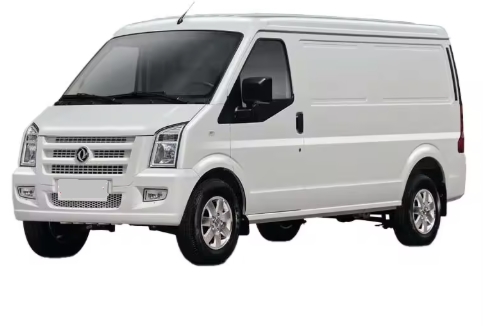
The DFSK C35 is one of the most important compact commercial vans produced by DFSK Motor, the Chinese automotive manufacturer jointly established by Dongfeng Motor Corporation and Chongqing Sokon Industry, now known as Seres Group. Introduced during the 2010s, the C35 became a key commercial vehicle for urban logistics, small-business transportation, delivery fleets, and passenger…
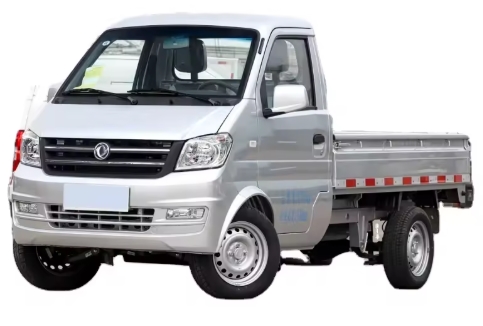
The DFSK K01 is one of the most important compact pickup trucks produced by DFSK Motor, the Chinese automotive joint venture established by Dongfeng Motor Corporation and Chongqing Sokon Industry, now known as Seres Group. Introduced during the mid-2000s, the K01 became a key commercial vehicle for DFSKโs growing domestic and international operations. Designed primarily…
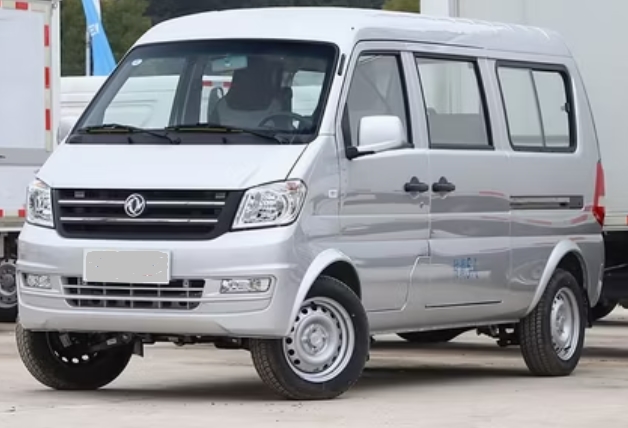
The DFSK K07 is one of the most important vehicles ever produced by DFSK Motor, the Chinese automotive joint venture formed by Dongfeng Motor Corporation and Chongqing Sokon Industry, now known as Seres Group. Introduced during the mid-2000s, the K07 became a key part of DFSKโs rise as a global manufacturer of affordable commercial vehicles…
The Fengon 500 and Fengon 600 represent two important pillars in the SUV lineup of DFSK Motor under its Fengon (Fengguang) passenger vehicle brand. Together, they illustrate the companyโs progression from compact entry-level crossovers into larger, more refined family SUVs aimed at both domestic Chinese buyers and international export markets. The Fengon 500, introduced in…
The Fengon E5 is a mid-size plug-in hybrid SUV produced by DFSK Motor under its Fengon (Fengguang) passenger vehicle brand. Introduced in 2023 and still in production as of 2026, the E5 represents a major step in the companyโs transition from conventional gasoline-powered crossovers toward electrified mobility. Positioned within DFSKโs broader SUV lineup, the Fengon…
The Fengon ix5 is a compact coupe-style SUV produced by DFSK Motor under its Fengon (Fengguang) passenger vehicle brand. First introduced in 2018 and still in production today, the ix5 marked a major design shift for DFSK, moving away from purely practical SUV styling toward a more modern, lifestyle-oriented fastback crossover format. Positioned above the…
The Seres 3, also known in some markets as the DFSK Glory E3, Fengon E3, Seres ix3, and Landian E3, represents one of the most important electric vehicles developed by Seres Auto and DFSK Motor. Produced from 2019 to the present, the compact electric crossover became a major part of the companyโs transition from traditional…
The Seres 5, previously known as the Seres SF5 and later marketed in some regions as the AITO A5 or Huawei AITO SF5, represents one of the most significant vehicles developed by Seres Auto. Produced from 2019 to the present, the model became a major turning point for the Chinese automaker as it transitioned from…
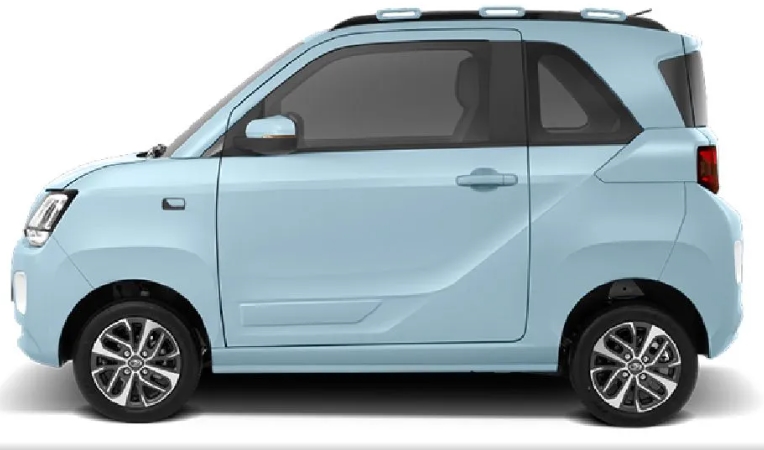
The Seres E1 represents one of the most affordable and compact electric vehicles developed by Seres Group and DFSK Motor. Introduced during the growing demand for low-cost urban electric transportation, the E1 was designed to compete directly with micro electric vehicles such as the Wuling Hongguang Mini EV, Chery QQ Ice Cream, and other small…
The DFSK E5 represents one of the most important technological advancements in the history of DFSK Motor. Introduced as a modern plug-in hybrid SUV, the E5 marked a significant transition for the Chinese automaker from traditional gasoline-powered crossovers toward electrified family vehicles designed for global markets. Produced from 2023 to the present, the DFSK E5…
The DFSK Glory 560 became an important part of DFSK Motorโs expanding SUV lineup during the late 2010s. Developed by Dongfeng Sokon Automobile, commonly known as DFSK, the Glory 560 was introduced as a compact crossover SUV positioned below the larger Glory 580. The model was designed to appeal to buyers seeking affordable family transportation…
The DFSK Glory 580 became one of the most important vehicles produced by DFSK Motor, the Chinese automotive joint venture formed by Dongfeng Motor Corporation and Sokon Industry Group. Introduced during the rapid rise of Chinese crossover SUVs, the Glory 580 helped establish DFSK as a serious competitor in both domestic and international markets. Since…
The Dongfeng Rich is one of Chinaโs longest-running pickup truck nameplates, representing a durable partnership between Dongfeng Motor Corporation and Nissan. Originally introduced as a rebadged version of a proven Japanese platform, the Rich has evolved over more than two decades into a diverse lineup of work-focused and lifestyle-oriented pickup trucks, including modern diesel, gasoline,…
The Aeolus AX7 is a compact crossover SUV produced by Dongfeng Motor Corporation under its Aeolus (formerly Fengshen) passenger vehicle brand. Since its debut in 2014, the AX7 has evolved through multiple generations, facelifts, and branding transitions, reflecting both the rapid growth of Chinaโs domestic automotive industry and Dongfengโs ambitions in the global SUV market….
The Nammi 01 represents a pivotal shift in Dongfeng Motor Corporationโs approach to small electric vehicles. Unlike earlier budget-oriented models such as the Nano EX1 and Nano Box, the Nammi 01 is the first fully in-house developed vehicle under the Dongfeng Nammi brand, marking a transition toward modern platforms, improved technology, and global ambitions. Entering…
Scroll to top
Scroll to top